Neem & Nature
Which Part of the Neem Tree Does What? Leaf, Seed, Bark and Twig
19 Aug 2026 • Neemyukt Research Team
Most people say "neem" the way they say "salt", as if it were one substance. Botanically it isn't. Azadirachta indica is a whole pharmacy of a tree, and its leaf, seed, bark, twig, flower and fruit each carry a different mix of compounds at different strengths. A leaf infusion and a cold-pressed seed oil come from the same tree and behave almost nothing alike on skin.
In short: the leaf is the mild, water-friendly part used in infusions and extracts, and it is what usually appears in face washes and soaps. The seed is where the oil comes from, making it the most concentrated and strongest-smelling part, best used diluted. Bark and twig belong mainly to traditional decoctions and oral hygiene, while flower and fruit are rare in modern cosmetics.
That distinction matters when you shop, because a label that only says "neem" tells you very little about what you are about to put on your face.
Why does the part of the tree change what a neem product does?
Different tissues concentrate different compounds. Neem seed kernels are unusually rich in oil and in limonoids, the bitter defence compounds of the plant, including azadirachtin. That is why seed material dominates agricultural use. Leaves carry a broader spread of water-soluble constituents including flavonoids, which is why traditional preparations boil or grind leaves rather than pressing them.
You notice the difference the moment you open a bottle. Cold-pressed seed oil smells sharply of garlic and sulphur, feels heavy, and sits on the skin. A leaf extract in a cleanser smells faintly green, rinses off, and leaves nothing behind. If you have wondered why one neem product feels harsh and another feels like nothing at all, the part of the tree is usually the answer, followed by concentration. On that second point, reading labels like a pro explains how ingredient position reveals what you are really getting.
One honest caveat. Nearly all published research on neem examines isolated extracts and oils under controlled laboratory conditions, not finished cosmetics at cosmetic concentrations. Results in a dish do not automatically transfer to a soap bar.
What is the neem leaf traditionally used for?
Traditional and household use
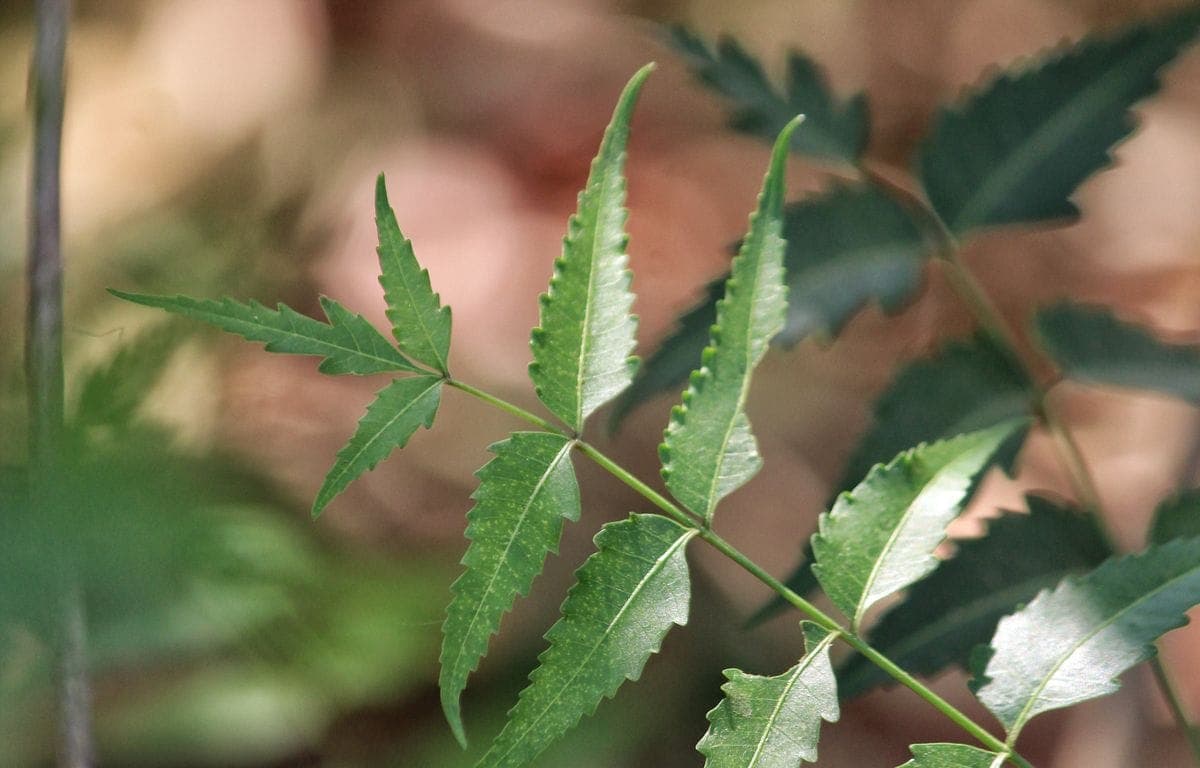
Leaves are the part Indian households actually handle: added to bathwater, ground into pastes, boiled into decoctions, tucked into stored grain. That domestic footprint is much of why the tree earned its reputation, a story told properly in why neem is called India's village pharmacy.
Where leaf shows up in modern formulations
Leaf extract is the workhorse of the cosmetic aisle because it is water-compatible, comparatively mild and easy to standardise. It appears in cleansers, soaps and hair products, usually beside a partner ingredient chosen to balance it. A leaf-forward cleanser such as a Neem Aloe Face Wash pairs neem's clarifying character with aloe to keep the formula comfortable for regular washing. That is the realistic role for leaf extract: supportive daily hygiene, not treatment.
What about the seed and the oil pressed from it?
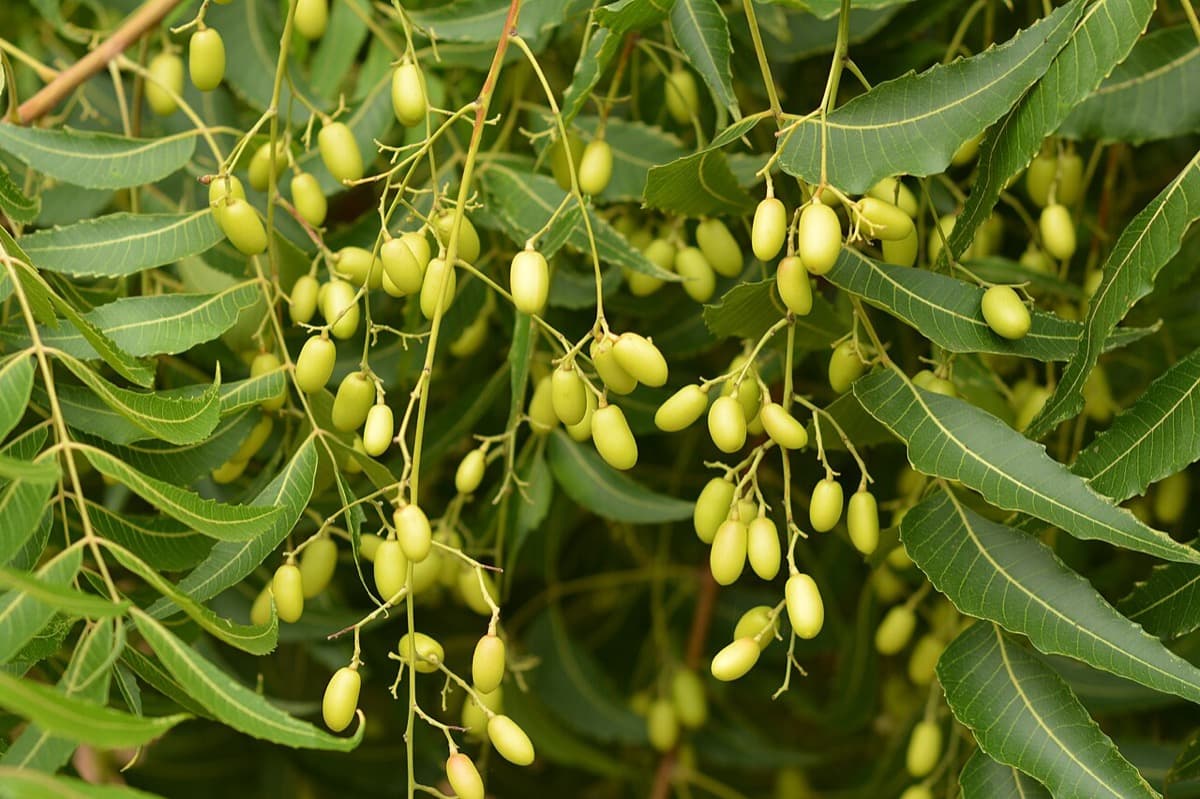
The seed is the potent end of the tree. Kernels are cold-pressed into the dark, bitter, strongly aromatic oil most people picture when they hear "neem oil". Because it is a true concentrate, it is also the part most likely to irritate when used neat, and the part that needs the most care in how you apply it.
Two rules follow:
- Dilute it. A Cold-Pressed Virgin Neem Concentrate is meant to be blended into a carrier oil, not spread undiluted across the face.
- Patch test first. Try it on the inner forearm and wait a day. Sensitivity to strong botanical oils is individual and hard to predict.
Our guide to who should be cautious with neem oil covers this in more detail. For scalp use, seed oil is almost always blended rather than used alone, partly to soften the smell and partly to make it spreadable. That is the job a neem and bhringraj scalp oil is built for.
Neem parts compared side by side
| Part of the tree | Traditional or practical use | Where you meet it in a modern product |
|---|---|---|
| Leaf | Pastes, bathwater, decoctions, grain storage | Face washes, soaps, toners, hair rinses (as leaf extract) |
| Seed / kernel | Cold-pressed for oil; the concentrated fraction | Neem oil concentrates, scalp oils, diluted blends |
| Bark | Decoctions in traditional systems of medicine | Rare in cosmetics; occasionally as a bark extract |
| Twig | Chewed as a datun for oral hygiene | Toothpastes and tooth powders |
| Flower | Culinary use, notably in South Indian New Year dishes | Uncommon; occasional infused or aromatic use |
| Fruit / pulp | Traditional preparations; pulp surrounds the seed | Rarely used; mostly a by-product of oil extraction |
How to spot the part on an ingredient list
Here is the practical catch: on an ingredient list, neem is almost never called neem. The internationally accepted cosmetic naming system uses Melia azadirachta as the synonym for Azadirachta indica, which is exactly why shoppers scan straight past it. Look for these:
- Melia Azadirachta Leaf Extract — the leaf, water-compatible and mild
- Melia Azadirachta Seed Oil — the pressed seed, the concentrated fraction
- Melia Azadirachta Bark Extract — the bark, uncommon
- Melia Azadirachta Flower Extract — the flower, rarer still
The parts that rarely reach your skincare shelf
Bark, twig, flower and fruit are traditionally important but commercially awkward. Bark is heavy in tannins, stains a formula brown, and varies batch to batch with the age of the tree, so it is difficult to standardise and preserve in a modern emulsion.
Twigs belong to oral care, where chewing sticks remain widely used across India and parts of Africa, though they are not a replacement for a toothbrush and conventional dental care. Flowers are seasonal and closer to a kitchen ingredient than a cosmetic one, and fruit pulp is largely left over once seeds are processed for oil. So when a product simply says "neem", it most likely contains leaf extract, seed oil, or both.
What should this change about your expectations?
Expect the leaf to be gentle and routine-friendly, and the seed oil to be strong and occasional. A soap such as a Neem & Tulsi Glycerin Soap Bar is built for everyday washing; a seed concentrate is not.
When to see a doctor instead
Neem is a supportive ingredient in a routine, not a substitute for medical care. Persistent or painful acne, spreading rashes, and flaking or itching scalp conditions should be assessed by a dermatologist. The American Academy of Dermatology notes that inflammatory acne can scar permanently without proper treatment. Fungal skin and scalp conditions specifically need antifungal treatment prescribed by a doctor.
Frequently asked questions
Is neem leaf extract weaker than neem oil?
In practical terms, yes. Leaf extracts are water-based, used at low concentrations and rinsed away, while cold-pressed seed oil is a concentrated lipid fraction that stays on the skin. A leaf-extract product is not a diluted version of oil; it is a different material.
Why does neem oil smell so much stronger than a neem face wash?
The sulphur-containing compounds behind that garlicky odour are concentrated in the seed kernel and carry into the pressed oil. Leaf extracts contain little of them, and cleansers use small percentages, so the smell stays faint.
Can I make my own preparation from neem leaves at home?
Household pastes and infusions have a long tradition, but homemade preparations have no preservative system, no consistent strength and a short life. Use them fresh, never store them, and keep them off broken or inflamed skin. If breakouts are your reason for reaching for neem, it is worth reading what the research actually suggests first.
Is neem oil sold for plants the same as neem oil in skincare?
They come from the same seed, but they are not interchangeable. Horticultural neem is produced for garden use, often with additives, and is not manufactured or tested to cosmetic standards. Buy a cosmetic-grade oil for skin, and keep the garden bottle in the garden.
The most useful habit here is small: before buying, read the ingredient list and find out which part of the tree you are paying for. Leaf or seed predicts how a product will smell, feel and fit your routine far better than the word "neem" ever will.