Ingredient Science
Neem for Acne-Prone Skin: What the Research Suggests
16 Jun 2026 • Neemyukt Research Team
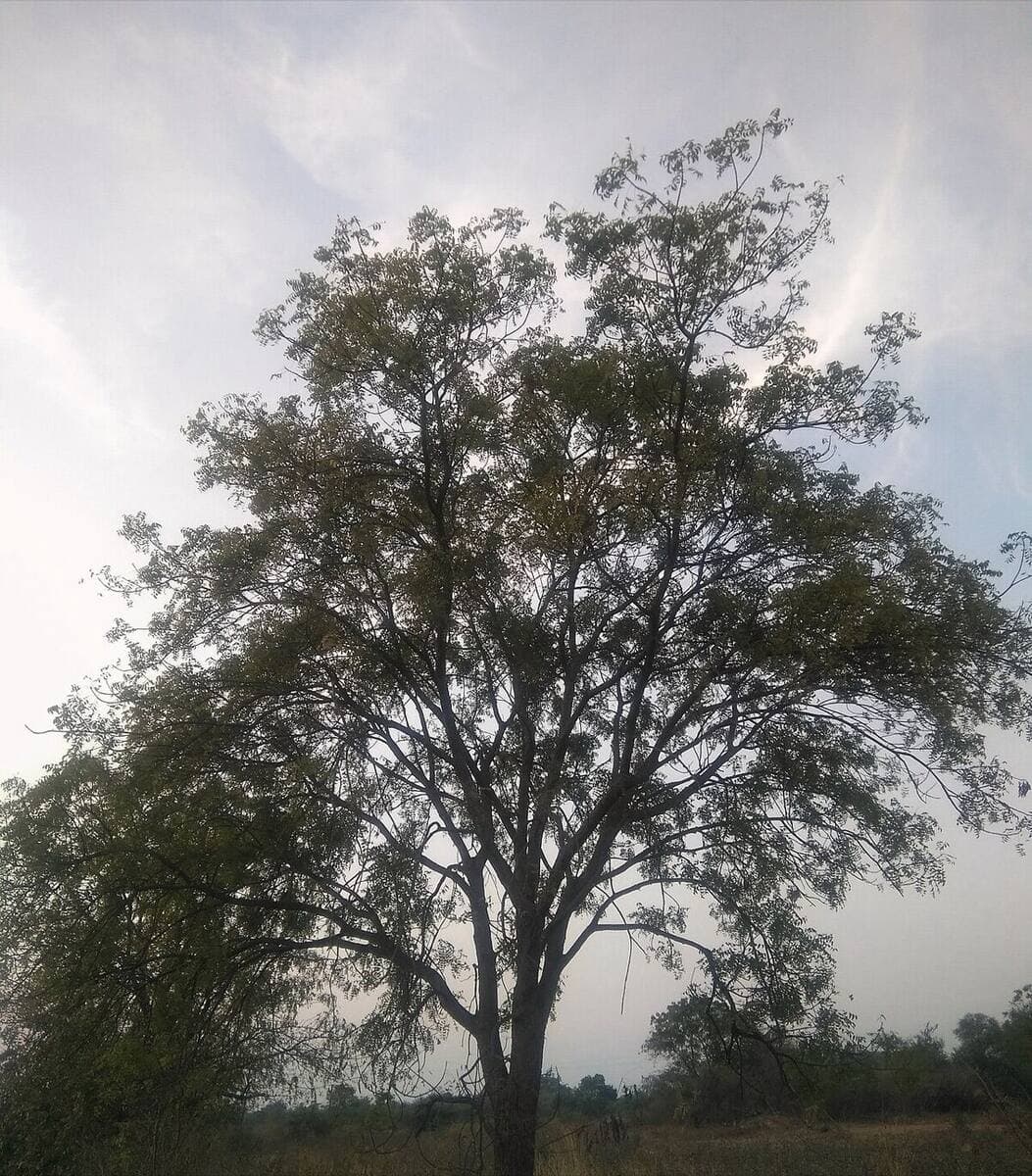
Somewhere near the house you grew up in, there was probably a neem tree. Leaves boiled into bathwater when chickenpox went around, twigs snapped off for toothbrushes, a branch tied over the doorway at Gudi Padwa. Neem's reputation in India predates skincare marketing by a couple of thousand years. The more interesting question is whether that reputation survives contact with modern research — especially for acne, the problem it gets recommended for most.
The short answer: it holds up better than most traditional ingredients do, with a few honest caveats attached.
Why do neem and acne keep turning up together?
Acne is rarely a single problem. It's a loop: extra sebum, blocked pores, an overgrowth of Cutibacterium acnes on the skin, and the inflammation your body mounts in response. Interrupt any link in that loop and breakouts begin to settle.
Neem — Azadirachta indica, to give it its botanical name — is interesting because its leaf and bark extracts contain compounds such as nimbidin, nimbin and quercetin, which have been studied for antibacterial and anti-inflammatory activity. That pairing maps onto two links of the acne loop at once, which is why formulators keep returning to it.
What does the research actually say about neem for acne?
Most published work on neem is laboratory research: extracts tested against bacteria in culture, or anti-inflammatory effects measured in cell and animal models. In those settings, neem extracts have repeatedly shown activity against acne-relevant microbes, and the traditional uses start to look rather less like folklore.
Large human trials — the kind that prove a cream clears real faces over twelve weeks — are thinner on the ground. That's true of nearly every botanical ingredient, partly because nobody can patent a tree, so nobody funds the expensive studies. The honest framing, then: neem has plausible mechanisms, encouraging laboratory evidence and centuries of observed use, but it hasn't been through the clinical machinery that benzoyl peroxide or adapalene has.
Practically, that means treating neem as a supportive player in a sensible routine rather than a standalone cure.
Where does neem fit in an acne routine?
The cleanser slot
Cleansing is the most forgiving place to use purifying botanicals, because contact time is short and rinsing limits irritation. A neem and tea tree face wash stacks two well-studied purifying botanicals into one step — we've written separately about what tea tree oil can and can't do. Twice a day is plenty. Oily skin doesn't need a third wash; it needs a consistent two.
Body breakouts
Chest and back acne respond to the same logic, but few people extend their routine below the jaw. Swapping an ordinary bathing bar for an purifying neem-tulsi soap is the lowest-effort fix there is — no new step, just a better version of one you already do daily.
The moisturiser slot
Skipping moisturiser because your skin is oily tends to backfire; dehydrated skin often compensates by producing more sebum, not less. A light option such as the oil-control gel with zinc PCA keeps the barrier fed without adding shine, and its niacinamide helps manage the look of post-acne marks over time.
Three mistakes worth avoiding
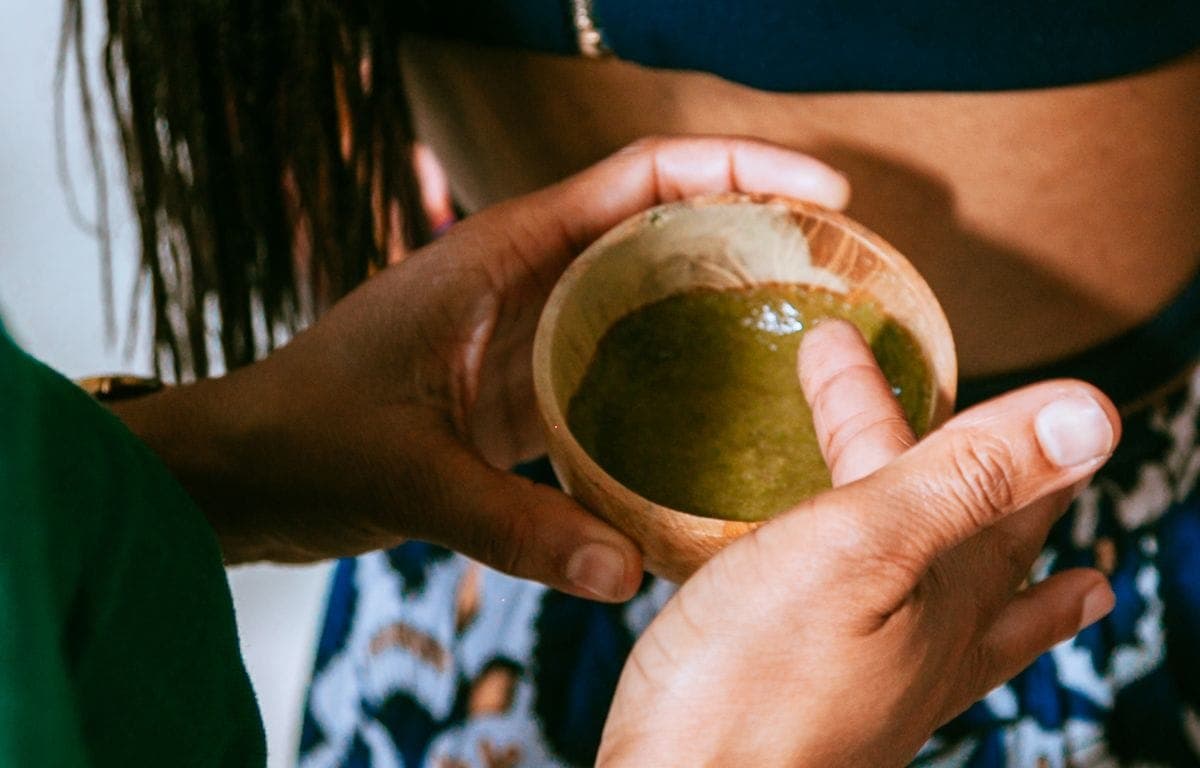
First, raw neem paste. Crushed leaves on the face is the classic home remedy, but the dose is uncontrolled and the fibrous grit can abrade skin that's already inflamed. Formulated extracts give you the actives without the scrubbing.
Second, expecting overnight results. Any acne intervention needs six to eight weeks before you judge it, because that's roughly how long a pore takes to cycle through a forming blockage.
Third, panicking at early bumps. If breakouts shift in location or texture after you start something new, read our guide to telling purging apart from a genuine breakout before you bin the product.
When is neem not enough?
Deep, painful, cystic acne — the kind that scars — is a medical condition, not a cleansing problem, and no plant extract replaces a dermatologist there. Neem-based care makes most sense for mild to moderate congestion, for maintenance after treatment, and for keeping body breakouts in check. If you want something stronger over the counter, a beginner-friendly BHA slots neatly alongside a neem routine.
Start with the cleanser, give it two months, and let the rest of your skincare line-up stay boring and consistent. Not a thrilling prescription, admittedly. It's the one that works.
Resources: PubMed: Azadirachta indica and skin, Wikipedia: Azadirachta indica