Neem & Nature
Neem leaf, powder or paste: which form suits which use
18 Oct 2026 • Neemyukt Research Team
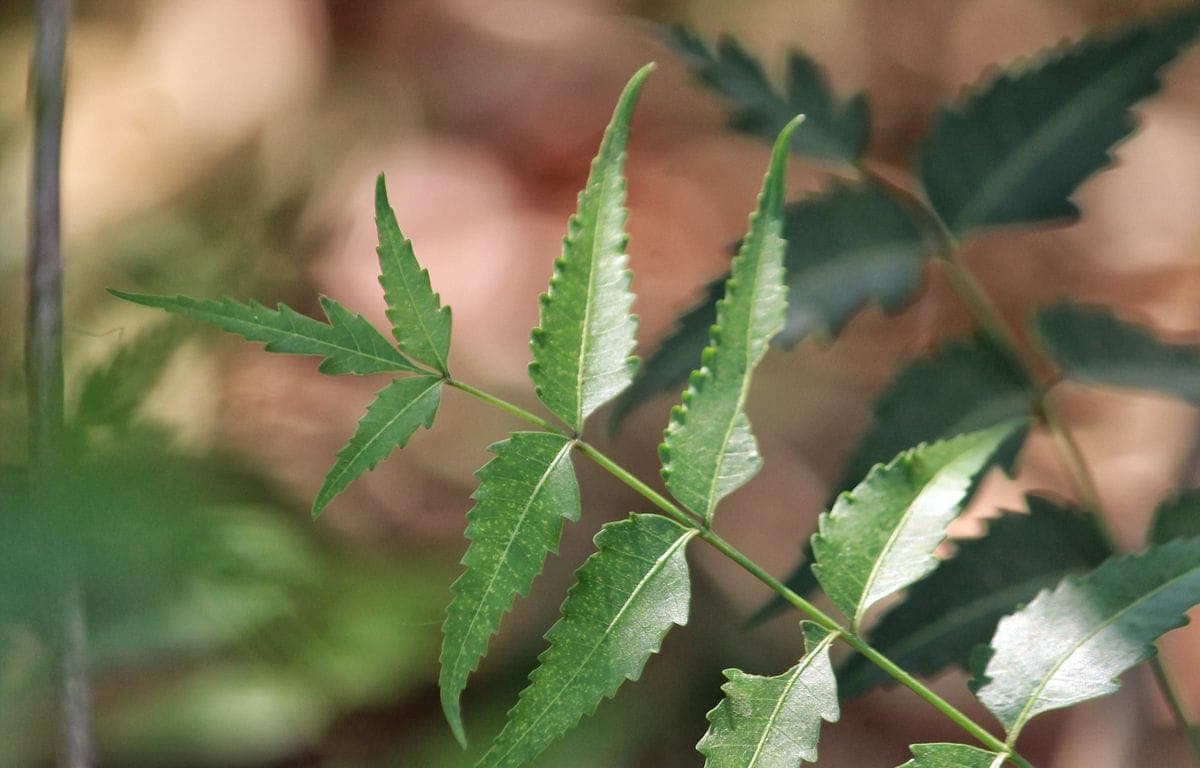
A neem tree gives you one leaf but three different ingredients. Use it the day you pick it and you have fresh leaf. Shade-dry and mill it and you have powder. Grind either one with water and you have paste. Most home remedies treat the three as interchangeable, which is a large part of why they disappoint.
The differences are physical: how much water is left in the leaf, how much surface area it has, and how long it survives in an Indian kitchen. Those three things decide whether a form belongs in your bath bucket, your face-pack bowl or your storage trunk.
In short: Fresh leaf suits baths, rinses and boiled infusions, where you want volume and already have leaves to hand. Dried powder is the practical all-rounder, because it keeps for months and mixes into packs with a predictable texture. Freshly ground paste is for small, same-day use only, and it needs a patch test first.
How does drying and grinding change a neem leaf?
Drying removes water, which concentrates everything else per gram. A fresh leaf is mostly water, so a teaspoon of powder carries far more leaf solids than a teaspoon of chopped fresh leaf. That is why powder recipes call for spoons and fresh-leaf recipes call for handfuls.
The drying method matters. Shade drying keeps colour and aroma; direct sun and oven heat drive off the volatile compounds behind neem's smell. Grinding then multiplies surface area, so powder gives up its compounds to water quickly, though that same exposed surface oxidises faster once air and humidity reach it. We covered how long neem oil, leaves and powder last separately.
What none of this tells you is strength. Neem leaf has been studied in laboratories for antibacterial and antifungal activity, but those extracts are prepared in ways a kitchen cannot reproduce. Home preparations vary batch to batch, so treat every form as supportive and variable.
Which form suits which job?
Start from the job rather than from the ingredient.
| Form | Best for | How long it keeps | Watch for |
|---|---|---|---|
| Fresh leaf | Bath water, hair rinses, boiled infusions, stored cloth | Two to three days, refrigerated | Bulky, needs washing, seasonal quality |
| Dried powder | Face and scalp packs, dry mixes, ubtan blends | Months in an airtight jar, away from light | Aroma fades; clumps if moisture gets in |
| Fresh paste | Small, same-day spot or patch application | Use it the same day | No preservative, highest irritation risk |
When fresh leaf is worth the effort
Fresh leaf makes sense when the job needs volume rather than precision: a bucket of neem-infused water for a bath, a final hair rinse, a layer of leaves between stored cottons. None of those needs an exact quantity, and all use more plant material than a jar of powder would supply. Whether the bath does anything measurable we examined in does a neem leaf bath actually work.
The catch is sourcing. Leaves from a roadside tree carry dust, exhaust residue and sometimes spray, so wash them properly. If boiling and straining a potful is more effort than a weeknight allows, neem herbal bath drops stand in for the same ritual.
Why dried powder is the sensible default
Powder wins on storage and repeatability, which is what a routine needs. It measures in spoons, blends into clay, besan or curd without lumps, and gives roughly the same result each week. For scalp packs it has a second advantage: fine powder rinses out, while chopped leaf lodges near the roots.
Powder does fade, and aroma is your rough guide; a jar that smells of almost nothing after a year is past useful. If measuring and mixing is the step you quietly skip, a ready neem clarifying clay face pack fills the same weekly slot.
If you want neem on your skin daily rather than weekly, a cleanser such as a neem and aloe face wash takes less effort and gives the same amount every time.
Is freshly ground paste better than powder mixed with water?
Fresher paste smells stronger, and that is real, but hygiene matters more than potency. Neither preparation is sterile, and a wet paste with no preservative turns hospitable to microbes within hours. Make only what you will use, apply it the same day, and discard the rest.
Paste also carries the highest irritation risk of the three, because it sits concentrated on one patch of skin. Plant preparations can sting, redden skin or set off an allergic contact reaction, and the US National Library of Medicine's MedlinePlus guide to rashes lists contact with plants among the common triggers. Test a coin-sized patch on your inner forearm, wait a day, and keep paste off broken or freshly shaved skin.
What no form of neem leaf will do
None of the three clears stubborn acne, dandruff that keeps returning, or anything spreading. Acne that keeps returning, and dandruff that does the same, need a dermatologist's diagnosis and prescription treatment rather than a weekly pack. Neem sits alongside those as a supportive habit, not in place of them. Our piece on neem for acne-prone skin shows where the evidence is encouraging and where it stops.
Frequently asked questions
Can I make neem powder at home?
Yes. Wash the leaves, dry them on cloth in the shade until they crumble, grind them in a dry mixer and sieve out the stalk. Store in a tight glass jar in a dark cupboard. Leftover moisture clumps the powder, so dry it longer than feels necessary.
Is powder weaker than fresh leaves?
Not per gram. Powder is more concentrated because the water is gone, which is why recipes use so much less of it. What it loses with age is aroma.
How often can I use a neem face pack?
Once or twice a week suits most people. Neem packs can feel drying, so follow with a moisturiser, and drop to once a fortnight if your skin feels tight.
Can I take neem leaf paste internally?
Chewing a couple of leaves is a long-standing custom, but concentrated neem by mouth is not a casual habit, and it is generally advised against in pregnancy and for young children. Ask a doctor before making it routine.