Neem & Nature
Wild-harvested vs cultivated neem: does it change the oil?
15 Oct 2026 • Neemyukt Research Team
Neem oil bottles increasingly say "wild-harvested", and the implication is easy to read: a tree that grew where it pleased, with no irrigation and no fertiliser, must give you more than a plantation row does. For most Indian neem oil, that is barely a distinction.
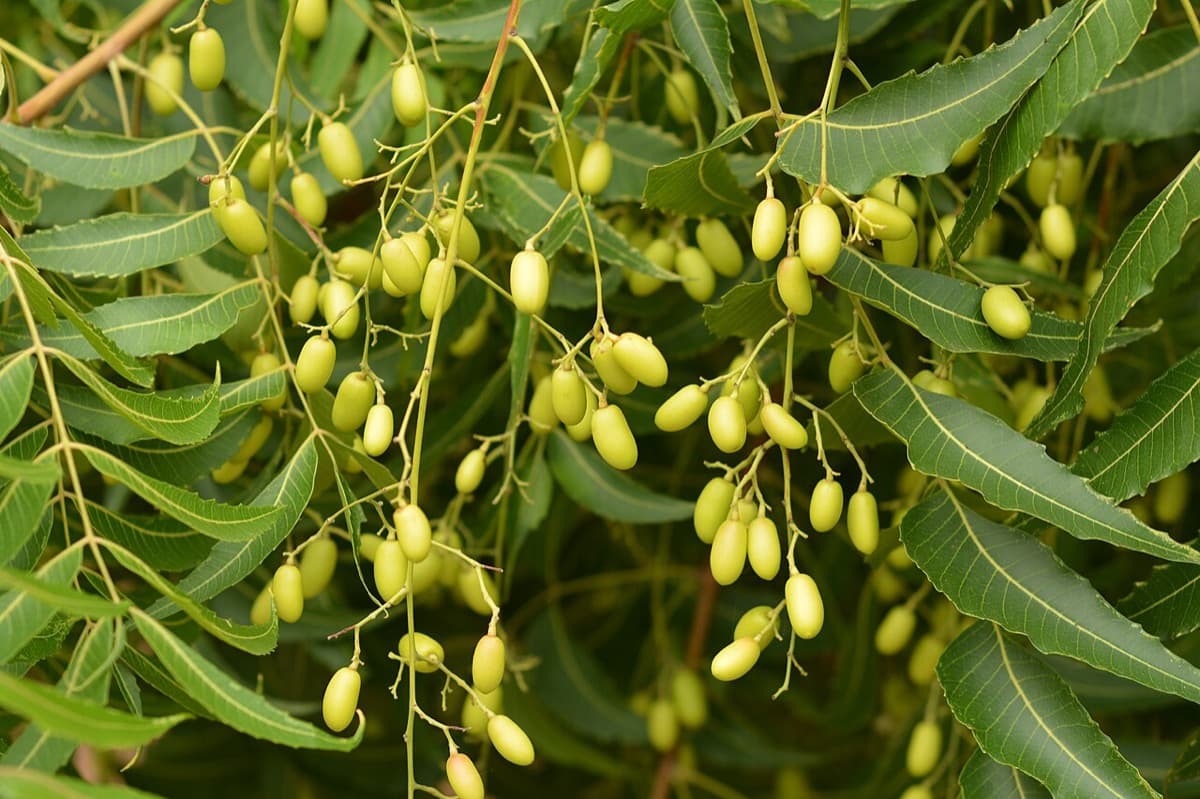
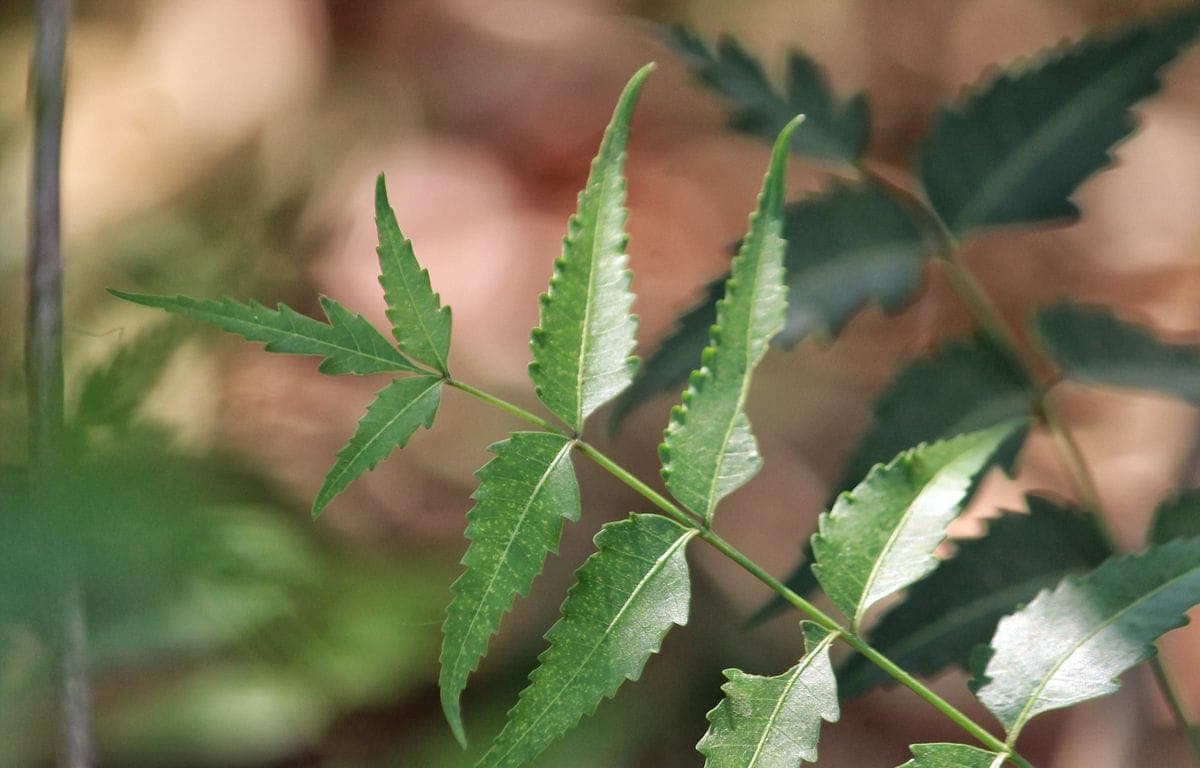
Much of the neem seed collected here comes from trees nobody planted as a crop: roadside trees, temple compounds, field boundaries, courtyards. So the real question is not whether wild neem beats cultivated neem in principle, but whether the difference survives pressing, filtering and three months on a warm shelf.
In short: where a neem tree grows does affect its seed chemistry, since soil, rainfall, genetics and climate all shift the compound profile. But that variation is wide inside both wild and cultivated populations, and usually smaller than the difference made by seed maturity, storage and pressing. Treat "wild-harvested" as a sourcing note, not a quality grade.
What "wild-harvested" actually means on a label
No agreed definition sits behind the phrase, which is why it can describe almost anything. Certified organic sourcing carries an audit trail: registered land, inspection, paperwork. Wild-harvested usually carries none, and in practice means seed gathered from scattered, unmanaged trees rather than a planted block, often by collectors who sell to an aggregator long before anyone presses oil.
None of that is a criticism. It is how neem has always moved in India, and it supports real rural income. It does mean the front of a bottle tells you less than a batch date or a stated pressing method does.
Does where the tree grew change the oil's chemistry?
Yes, measurably, but not in one direction. Agricultural research on neem provenance has repeatedly found that azadirachtin and related limonoid content varies substantially between regions, between seasons, and even between neighbouring trees. The spread is wide enough that buyers sourcing seed for crop-protection work generally test their lots rather than trust origin. Those compounds, studied mainly for pest-deterrent activity in agriculture, also explain much of how neem smells: see azadirachtin and nimbin.
The fatty acid fraction behaves differently. Neem seed oil is dominated by oleic, stearic, palmitic and linoleic acids, and that profile stays far more stable across provenances. Because those fatty acids drive most of what you notice on skin, two oils from distant districts can feel almost identical while differing underneath.
What changes a bottle more than its postcode
Seed maturity and collection timing
Neem fruit ripens unevenly over several weeks, and under-ripe or over-ripe seed gives a different yield and compound load. Collectors working a short window take what the tree offers, which is one reason neem products are not identical batch to batch: why neem products change through the year.
Drying and storage before pressing
This step quietly decides quality. Neem seed is pulpy and arrives in the hottest, most humid weeks of the year. Dried properly and stored cool, it holds. Left damp in sacks it grows mould, and the oil that follows smells sour rather than sharp and turns rancid sooner. A wild lot dried well beats a plantation lot stored badly, and the reverse holds too.
Pressing and refining
Cold-pressing at low temperature retains more of the minor compounds; heat or solvent extraction with refining strips colour, smell and much of the limonoid content. That one choice usually outweighs provenance: how neem oil is actually made.
| Factor | Wild-collected tendency | Plantation tendency | Effect on the finished oil |
|---|---|---|---|
| Genetic diversity | High, mixed trees | Narrower, selected stock | Moderate, mostly limonoid content |
| Drying and storage | Varies by collector | Usually more controlled | High: smell and shelf life |
| Traceability | Usually limited | Usually documented | High: dilution risk |
| Pressing method | Independent of source | Highest single factor | |
The costs of wild collection that rarely get named
There are a few, and they deserve naming. Mixed lots from many collectors are harder to trace, which makes quiet dilution with a cheaper vegetable oil easier to hide, and unmanaged trees beside heavy traffic sit in whatever surrounds them. Plantation neem answers that with paperwork rather than romance: known land, known harvest date, consistent lots.
How to judge a bottle without a lab
Look for a batch or pressing date, a stated extraction method, and a single-ingredient list if the bottle claims to be pure neem oil. Smell it: good cold-pressed neem smells strongly garlicky and sulphurous, not sour or flat. Expect cloudiness in cool weather, since neem oil solidifies at mild temperatures. For most people the real choice is between a concentrate you dilute yourself, such as a cold-pressed virgin neem concentrate, and a ready-blended oil like a neem and bhringraj hair oil. Both are supportive routine products, not fixes.
Keep expectations proportionate. Plant oils soften skin and support a routine, and they can also provoke irritation or allergic contact dermatitis, which is why patch testing first is standard dermatological advice and why reference pages such as the US National Library of Medicine's MedlinePlus skin conditions hub are a sensible first stop. Persistent scalp flaking, painful cystic acne or a spreading rash needs a dermatologist, who may prescribe an antifungal or a retinoid such as adapalene.
Frequently asked questions
Is wild-harvested neem oil stronger?
Not reliably. One wild tree may carry a high limonoid load while its neighbour carries much less, so the average across a mixed lot is unpredictable. Strength in the finished oil tracks pressing method and freshness far more closely than origin.
Can I tell wild from cultivated by colour or smell?
No. Colour and smell mostly reflect how the oil was pressed, how fresh it is and how far it has oxidised. A dark, pungent oil signals minimal processing, not a wild origin.
So which bottle should I buy?
Whichever one is fresh, cold-pressed, honestly labelled and diluted to something your skin tolerates. A wild tree and a planted one can both give excellent oil, and both can give a tired bottle that lost its value in a damp sack.