Neem & Nature
Why Neem Is Called India's Village Pharmacy
20 Jul 2026 • Neemyukt Research Team
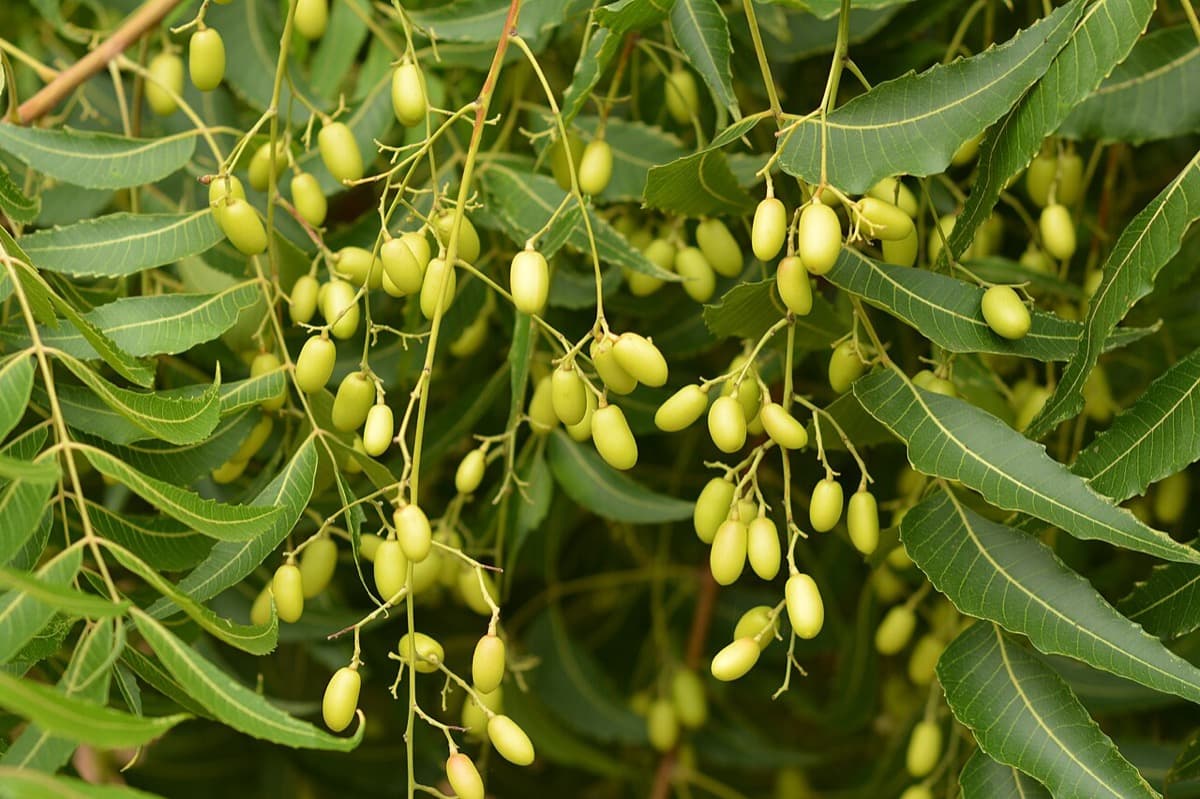
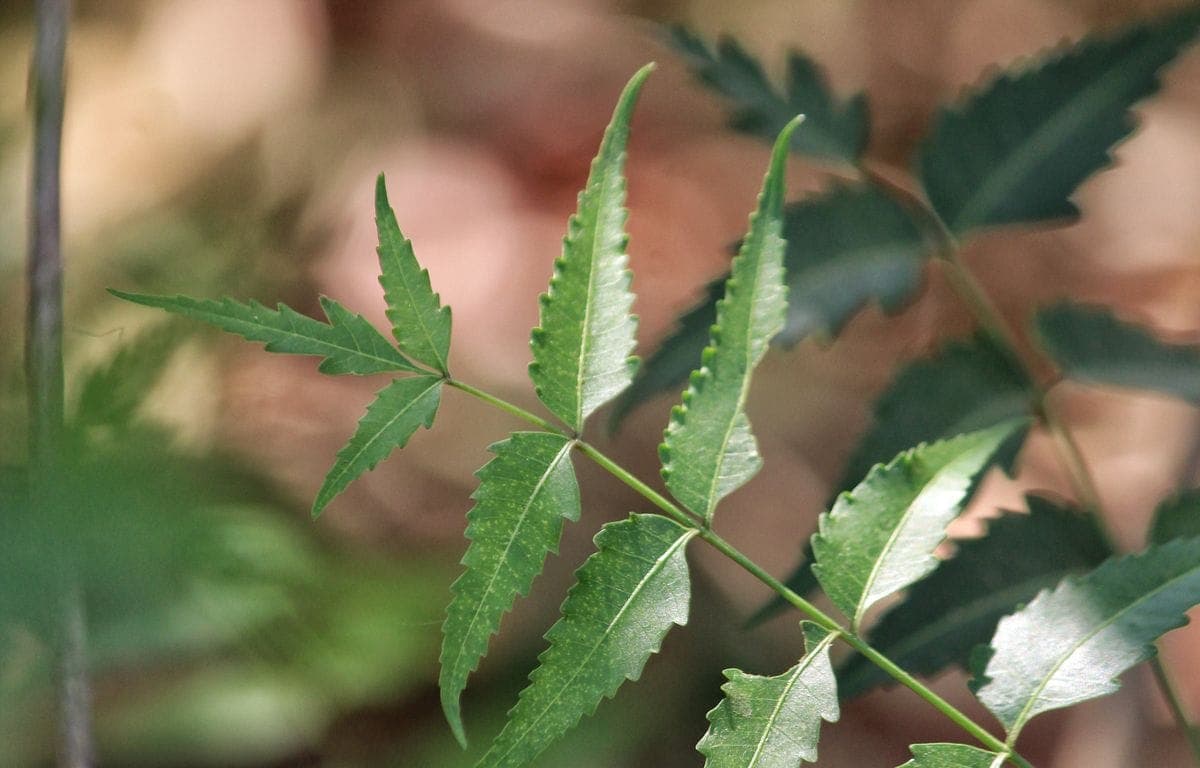
Walk through almost any older Indian village and you'll find a neem tree near the well, the temple or the panchayat square — planted deliberately, generations ago. The nickname it earned in Sanskrit tradition, sarva roga nivarini ("the curer of all ailments"), got translated in modern times to something more practical: the village pharmacy. One tree, an entire household medicine cabinet.
What the tree actually supplied
The name wasn't poetic exaggeration; it described daily logistics. Different parts of the tree served different jobs:
| Part | Traditional use |
|---|---|
| Twigs (datun) | Chewed into a brush for daily dental care |
| Leaves | Boiled into baths for skin complaints; dried into grain-storage insect repellent |
| Leaf paste | Applied to wounds, boils and infections |
| Seed oil | Skin and scalp treatment; natural pesticide for crops |
| Bark | Decoctions for fevers in traditional medicine |
A household with a neem tree had first-line answers to cuts, lice, itchy skin, stored-grain pests and oral hygiene without buying anything. In an economy where the nearest doctor might be a day's walk away, that tree genuinely functioned as infrastructure.
What modern research makes of it
Neem is one of the most studied plants in the Ayurvedic pharmacopoeia, and the picture that emerges is more interesting than either the hype or the scepticism. Its tissues contain an unusually rich mix of compounds — azadirachtin, nimbin, nimbidin and dozens of related limonoids — with well-studied hygiene-supporting and calming activity. Azadirachtin is effective enough as an insect antifeedant that neem-derived pesticides are a legitimate category in organic agriculture worldwide, not just a folk practice.
For skin specifically, the traditional uses line up reasonably well with the mechanisms — we've covered the acne evidence in detail in Neem for acne-prone skin. What the research does not support is the "cure-all" reading of the old Sanskrit name. Neem is a useful, broadly purifying botanical, not a replacement for medicine. The honest summary: the village pharmacy earned its name for hygiene and prevention, and that's still where it shines.
Why the bitterness matters
Everything about neem is famously bitter — the taste is the plant's chemical defence system, and it's exactly those defence compounds that make it useful. Tradition understood the link intuitively: in many Indian homes, bitterness itself signalled medicine. On Gudi Padwa and Ugadi, neem leaves are eaten with jaggery precisely as a ritual acknowledgement that the year brings bitter along with sweet.
From tree to bathroom shelf
Most of us no longer have a courtyard tree, which is roughly the reason a brand like ours exists: the point of a neem-tulsi soap or a neem face wash is to keep the daily-hygiene role of that tree in circulation, in a form that works with modern plumbing and modern formulation standards — without the harsh chemistry that made older antiseptic soaps so stripping. The tree did prevention gently, every day. That's the model worth copying, and it's the thread running through everything else we write about neem.
Frequently asked questions
What does research say about neem's traditional uses?
Laboratory research on neem extracts supports its long traditional role in skin and scalp hygiene. Strength varies by preparation and concentration.
Can I just boil neem leaves at home?
A neem-leaf bath is a perfectly good tradition if you have access to clean leaves. Formulated products exist for consistency — the same dose, pH and gentleness every time.
Does neem in skincare smell like the tree?
Raw neem oil is pungent. Well-formulated products use extracts balanced with other botanicals, so you get the function without the farmhouse smell.