Neem & Nature
Does a neem leaf bath actually work? The old Indian remedy, examined
23 Sept 2026 • Neemyukt Research Team
Almost every Indian family has a version of this memory: a patila on the stove, a fistful of neem leaves turning the water olive brown, the bitter smell filling the kitchen, an elder insisting the child sit in that bucket. Summer rashes, chickenpox recovery, a long fever, a newborn's first weeks. The neem bath turns up at all of them, in more or less the same form across very different regions, which usually means people found it useful for something. The harder question is what.
In short: A neem leaf bath is a mild, soothing herbal wash, and that is a real but modest thing. It can leave skin feeling calmer and cleaner through heat rash, itching and recovery from illness. Hot water pulls out only part of what the leaf holds, though, and dilute leaf water in a bucket is not a treatment for a diagnosed skin condition.
Where the neem bath came from
The reasons are seasonal and practical. Through the sticky months, when sweat sits under damp clothes, families reached for neem water to settle prickly heat and general body itch. After chickenpox or a long fever it was the accepted way to clean the body gently while skin was still healing. In many homes, a few leaves still go into a newborn's bath water, though that is one custom worth checking with a paediatrician before you copy it.
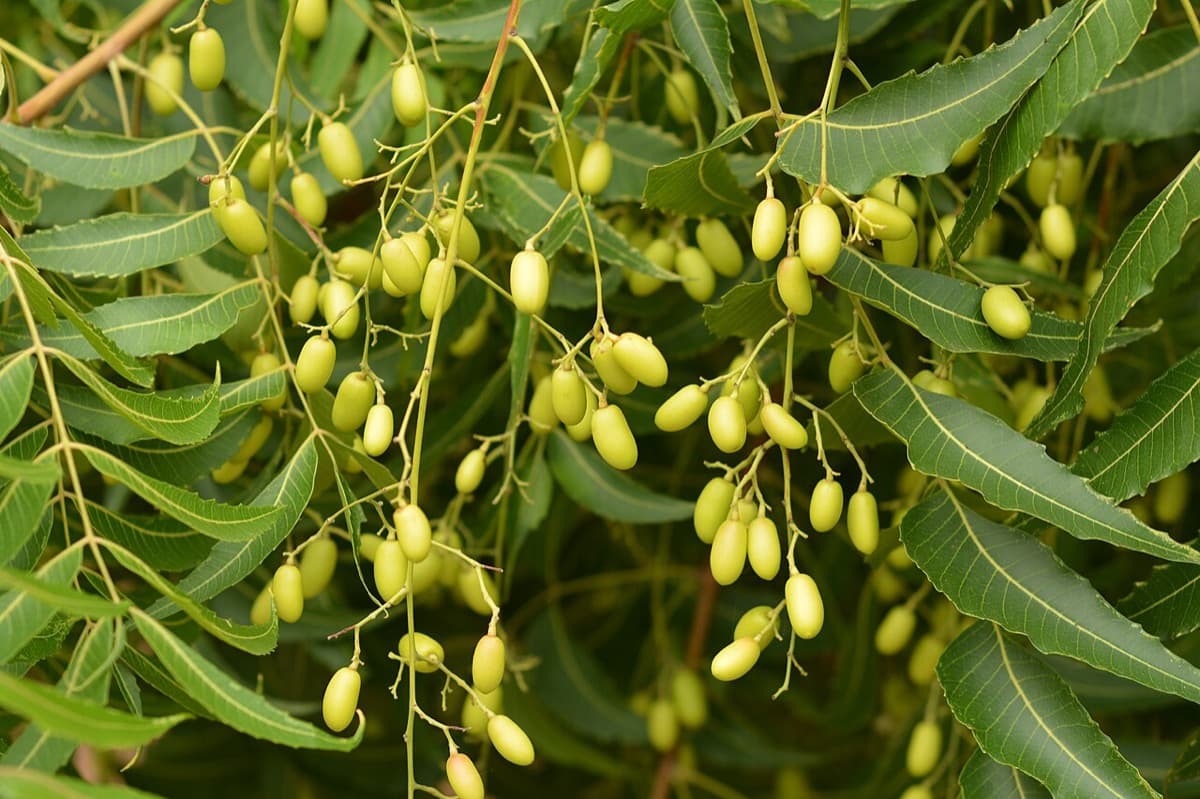
Neem was also free. A tree in the compound, leaves for the picking, no shop involved. Traditions built on an abundant plant tend to survive, and neem's standing as a purifying plant runs through temple ritual and home medicine alike. The tree's parts behave very differently from one another, though, as covered in Which Part of the Neem Tree Does What? Leaf, Seed, Bark and Twig.
What actually happens when you steep neem leaves in hot water?
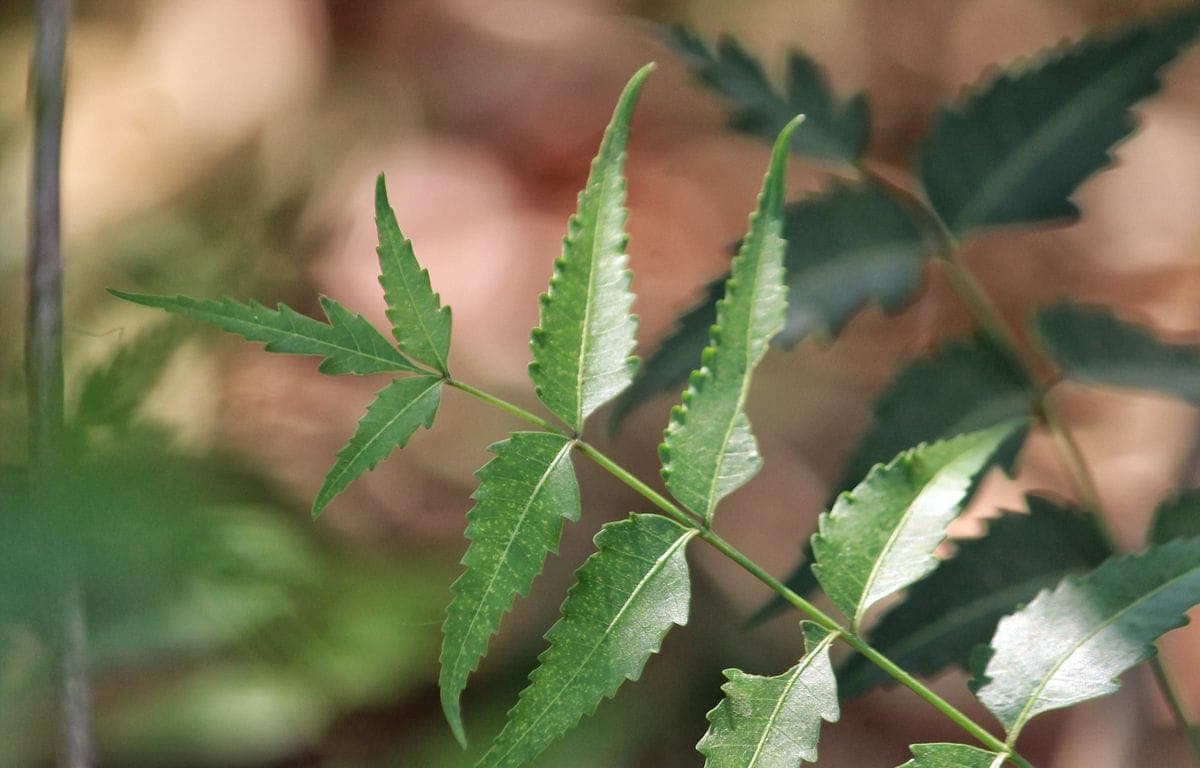
Hot water is a selective solvent. It draws out the water-soluble fraction of the leaf: bitter glycosides, tannin-like polyphenols, pigments. That is why the water turns brown and smells the way it does, and those are the compounds your skin actually meets.
What largely stays behind is the oil-soluble fraction. The limonoids laboratories have studied most closely are concentrated in the seed rather than the leaf, and they, like the fatty oil pressed from that seed, dissolve poorly in water. Much of what the leaf does hold in that fraction stays locked in the pulp or breaks down over a long boil. A decoction and a neem oil are simply not the same material, and work done on concentrated extracts in a laboratory dish does not transfer to a mug of leaf water tipped into twenty litres. Dilution finishes the job. That is precisely why the bath is gentle and well tolerated, and also why it is limited.
What does it realistically help with, and what won't it fix?
Being honest about both columns is the most useful thing anyone can tell you here.
| Reasonable to expect | Not reasonable to expect |
|---|---|
| A cooling rinse that takes the edge off heat rash and sweat itch | Clearing an established fungal patch, which needs antifungal treatment from a dermatologist |
| Gentle cleaning during recovery, when ordinary soap feels harsh | Speeding up chickenpox healing or preventing scarring |
| Feeling fresher and less sticky through humid days | Resolving acne, eczema or psoriasis, all of which need medical management |
| A ritual that encourages an unhurried, thorough wash | Disinfecting a wound, a boil or any broken skin |
If seasonal prickly heat is the real complaint, the bath is only one lever; clothing, humidity and sweat management matter more, as set out in Prickly Heat: Why Ghamoriyan Flare in Indian Humidity and How to Cool Them.
Making a neem leaf bath at home
Leaves, water and simmering
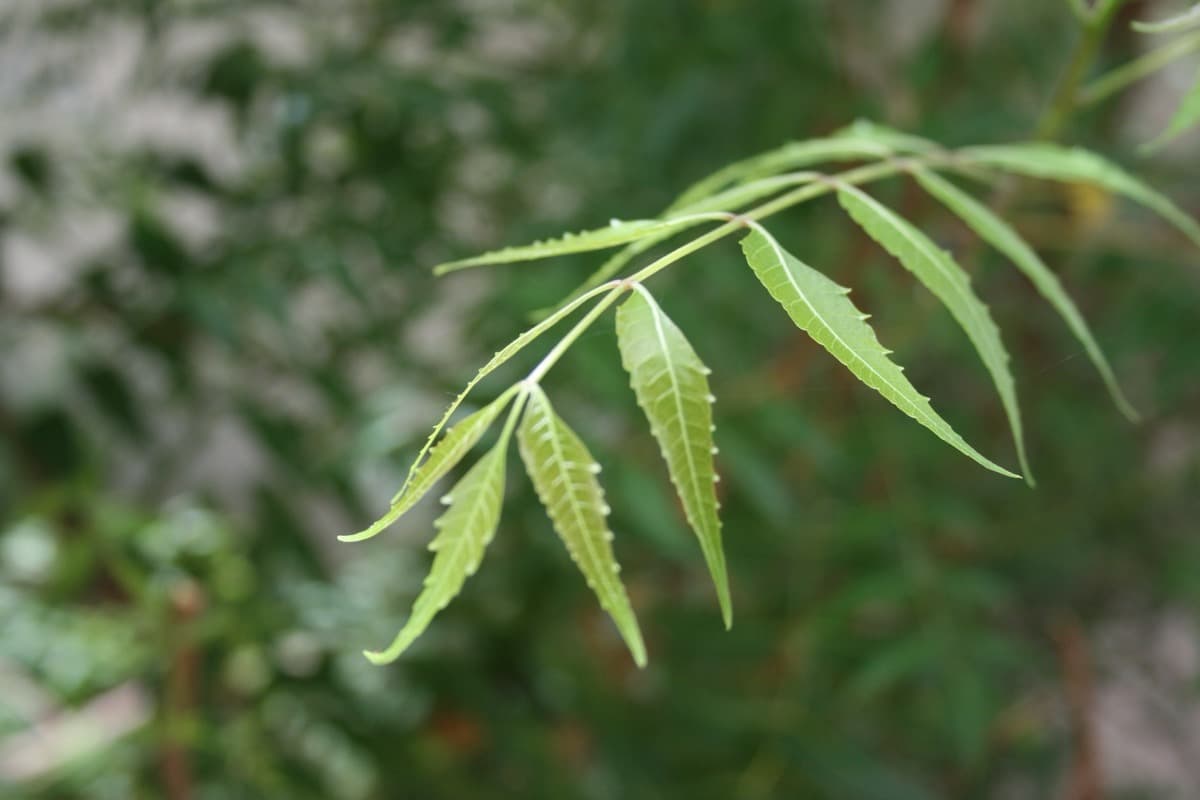
- Take two generous handfuls of fresh leaves to roughly a litre of water.
- Bring the water to a boil, add the leaves, then drop to a low simmer for ten to fifteen minutes with the lid on.
- Let it stand off the heat for another fifteen minutes.
- Strain through a fine sieve or muslin. Stray leaf fragments are what clog drains and annoy everyone else in the house.
A long rolling boil does not make it stronger. It drives off the aroma and breaks down the heat-sensitive constituents you were simmering for in the first place.
Temperature, soaking, frequency
Mix the strained liquid into the bucket and keep it lukewarm, never hot. Hot water strips the skin barrier and worsens itching, which is why dermatology guidance for dry, itch-prone skin consistently recommends warm rather than hot water and moisturising straight afterwards, as the American Academy of Dermatology sets out in its tips for relieving dry skin. Soak five to ten minutes and pat dry rather than rubbing. Then moisturise while the skin is still slightly damp, a step most people skip and one that matters more here than the neem does; water temperature and hard water matter about as much. Two or three times a week is plenty during a hot spell.
What are the honest drawbacks?
It stains. Light towels, bath mats and older tubs pick up a brownish tinge, so use dark towels and rinse the tub immediately. The smell is strong and bitter, and not everyone will be gracious about it.
Sourcing and skin sensitivity
Sourcing is the bigger issue. Roadside and market leaves may carry dust, vehicle grime or pesticide residue, and boiling removes none of it, so wash them well and prefer a tree you know. Patch-test on the inner forearm if your skin is reactive, and keep an eye on how storage affects dried material, which is covered in Does neem go bad? Shelf life of neem oil, leaves and powder at home.
When not to use it, and when to see a doctor
Never use neem water on open wounds, weeping eczema or broken skin. Keep it out of the eyes, and do not let a small child drink the bath water. For infants, ask your paediatrician first; newborn skin is thin and easily irritated, and plain lukewarm water is already enough for most babies. See a doctor rather than boiling another pot if a rash is spreading, painful, oozing, blistering, or not settling within a few days.
When a made product is more practical
Fresh leaves are seasonal, not every home has a tree, and a decoction spoils quickly in a warm kitchen. Strength swings batch to batch depending on the leaves and the simmer. Some days you get a strong brew, some days barely anything.
A formulated product removes that variability. Measured bath drops give a consistent measure into bucket or tub water and keep the ritual alive on days when boiling leaves is unrealistic.
For everyday showers, a Neem Body Wash or a Neem & Tulsi Glycerin Soap Bar offers clarifying, hygiene-supporting cleansing without the stained towel. These are supportive conveniences, not upgrades in power.
Frequently asked questions
Can I use dried leaves or neem powder instead?
Yes, though the character changes. Dried material still releases colour, bitterness and water-soluble constituents, but aroma fades in storage and powder is hard to strain out. Tie it in a muslin pouch and steep that.
Is a neem bath safe during chickenpox?
Mainstream paediatric guidance encourages lukewarm bathing during chickenpox for comfort and hygiene, and a mild neem rinse fits within that. It will not shorten the illness or prevent scarring, and blisters should never be scrubbed. Follow the treating doctor's instructions, especially for children.
How long does the neem water keep?
Make it fresh each time. Strained decoction left at Indian room temperature can begin fermenting within a day, and refrigeration buys only a little more. Discard it if the smell turns sour.
Will it stop body odour?
You will feel fresher after a humid day, but odour comes from sweat composition, skin surface ecology, fabric and washing habits, so a bath alone rarely settles a persistent problem. If it bothers you year round, look at clothing fibres and laundry routine before blaming your skin, and read Body Odour, Decoded for the fuller picture.