Neem & Nature
Neem flowering season: why neem products change through the year
28 Sept 2026 • Neemyukt Research Team
If you have ever opened a new bottle of neem oil and noticed it looked a shade darker than the last one, or that a neem soap smelled slightly sharper this time, you were not imagining it. Neem is a living tree with a yearly rhythm, and anything made from it carries a little of that rhythm with it.
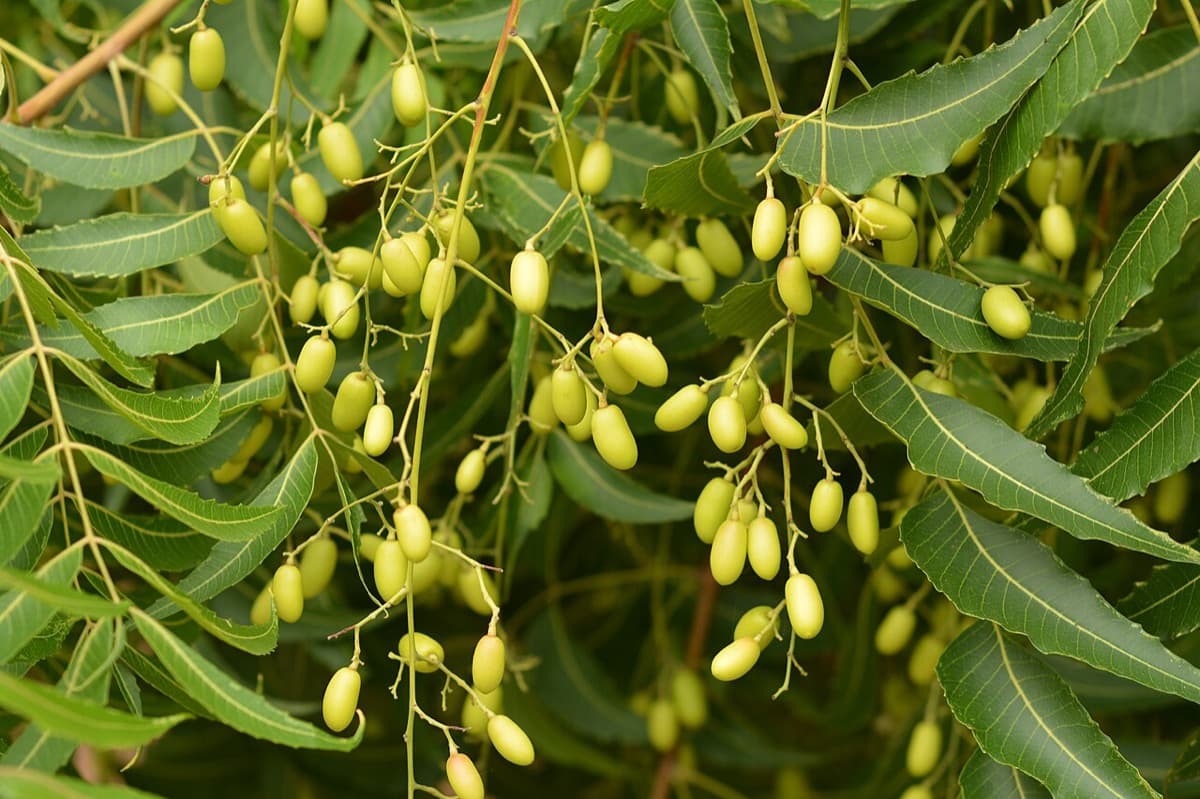
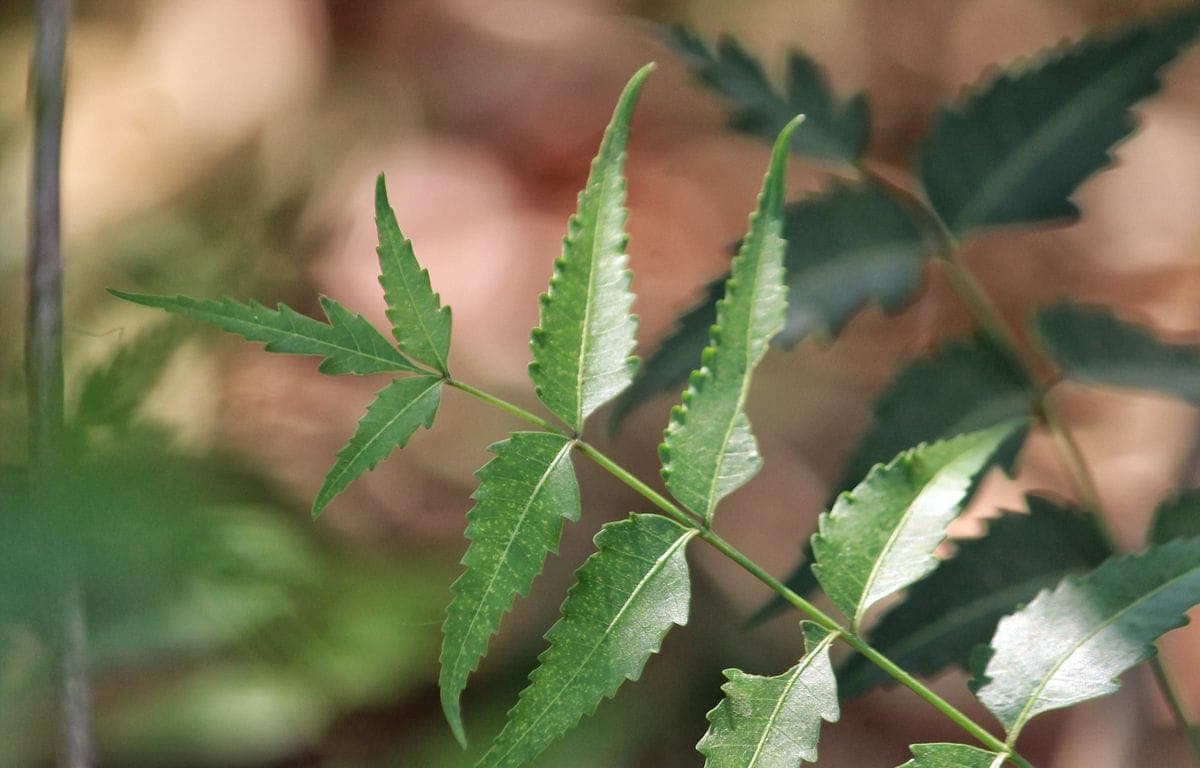
Walk past a neem tree in a north Indian town in early spring and you will see it at its busiest: a soft flush of copper-green leaves, then clusters of tiny white flowers with a honey-like scent. A few months later, around the time the monsoon arrives in many regions, the branches hang with small olive-like fruits. Each of these stages feeds a different part of the neem supply chain.
In short: Neem renews its leaves and flowers roughly in spring, and its fruit, the source of seeds and neem oil, generally ripens around the early monsoon, though timing shifts with region and weather. Because natural raw materials depend on when and how they were harvested, dried and pressed, small differences in colour, smell and thickness between batches of a neem product are normal and usually harmless.
When does neem flower, and what happens after?
Neem is often described as evergreen, but it is better thought of as nearly evergreen. In drier spells, especially late winter, many trees drop a good share of their old leaves. Fresh leaves follow quickly, which is why the tree rarely looks bare for long.
Flowering tends to come with or soon after that new leaf growth. The flowers are small, pale and fragrant, and in many Indian homes they are part of spring festivals. In the Deccan, neem flowers or leaves mixed with jaggery at Ugadi and Gudi Padwa are a reminder that life brings both bitter and sweet.
The fruit then takes a few months to develop. It turns from green to yellow as it ripens and drops to the ground, and in much of India that falls around the early rains. The seed inside the fruit's hard shell is where neem oil comes from.
Timing is a range, not a date
India is a large country with very different climates, so there is no single neem calendar. A tree in coastal Tamil Nadu, one in dry Rajasthan and one in the humid east will not flower or fruit in the same week. A late or weak monsoon, an unusually hot spring, or a young versus a mature tree can all move things by weeks. Treat the table below as a general pattern for much of India, not a fixed schedule.
| Rough season | What the tree is doing | What it means for raw materials |
|---|---|---|
| Late winter | Partial leaf drop in drier areas | Fewer mature leaves on the tree |
| Spring | New leaf flush, then flowering | Tender leaves and flowers available; leaves can be harvested and dried |
| Early summer | Fruit forming and swelling | Mature leaves still harvestable; no ripe seed yet |
| Around the monsoon | Fruit ripens and falls | Main window for collecting fruit and seed for oil pressing |
| After the rains | Leaves continue through the year | Seed has been dried and stored; leaf harvesting carries on |
Why don't two batches of neem oil look the same?
Neem oil is pressed from seed, and seed quality depends heavily on what happens in the weeks after the fruit falls. Fruit collected quickly and dried properly gives a very different starting material from fruit that sat on wet ground during the rains. Damp seed can pick up mould and start to break down, which affects both the oil and its smell.
Several ordinary factors can shift the character of an oil from one batch to the next:
- Where the seed came from. Soil, rainfall and the age of the trees all play a part.
- How the seed was dried and stored. Seed stored for months before pressing is not quite the same as seed pressed soon after drying.
- How the oil was pressed. Cold-pressing and heat or solvent methods give noticeably different oils. Our explainer on how neem oil is made goes through this in detail.
- Temperature on the shelf. Neem oil can turn thick or partly solid in cool weather and become runny again in the heat. That is a physical change, not spoilage.
So a cold-pressed oil might range from golden-yellow to a deeper brown, and its well-known garlicky, sulphur-like smell can be milder or stronger. A concentrate such as our cold-pressed virgin neem concentrate is a good example of an ingredient where some visible variation is expected, simply because it is minimally processed.
Do leaf-based products change with the seasons too?
Yes, though usually more subtly. Tender spring leaves and tough leaves picked late in the year differ in texture and moisture, and drying conditions matter a great deal. Leaves dried slowly in humid weather can lose colour or develop off notes, while leaves dried well in dry heat hold their green better.
In a finished product like a neem and tulsi glycerin soap, those differences mostly show up as a slight change in shade or scent, since leaf extract is only one part of the formula. Seeds and leaves are genuinely different ingredients with different uses; if you want that comparison, read neem seeds vs neem leaves.
When is variation normal, and when is it a warning sign?
Honest natural products will never be perfectly uniform. Unless something has been added to mask it, a slight shift in colour, a stronger or softer smell, or a thicker texture in winter is normal. What you want to watch for is change that suggests the product has gone off or been stored badly:
- A sour, rancid or clearly unpleasant smell that is different from neem's usual pungency
- Visible mould, fuzzy spots or water droplets inside the container
- Separation that does not mix back when you shake or warm the product
- A product well past its best-before date
Storage at home matters as much as harvest season. Keep oils and soaps away from direct sun and bathroom steam, and close lids properly. If a new batch looks different, a quick patch test on the inner arm before full use is a sensible habit, and the American Academy of Dermatology explains how to test a skin care product in a simple way. If you get redness, itching or swelling, stop using it. See a dermatologist if a reaction does not settle, or if you have a skin condition such as eczema or persistent acne that needs proper medical care rather than a home remedy.
Frequently asked questions
When does neem flower in India?
In much of India, neem flowers in spring, usually alongside or soon after its new leaves appear. The exact timing depends on region, climate and the year's weather, so it can vary by several weeks.
Is darker neem oil a sign that it has gone bad?
Not by itself. Colour varies with seed source, drying and pressing method. A rancid or sour smell, mould or water in the bottle are better signs that oil has spoiled.
Why has my neem oil turned solid?
Neem oil thickens or partly solidifies in cool temperatures. Standing the closed bottle in warm water usually brings it back to liquid without harming it.
Should a natural product smell exactly the same every time?
Not necessarily. Plant materials change with harvest and storage, so small differences in scent are expected when little or no fragrance is used to cover them. Neem's strong natural smell tends to make this more noticeable.
Neem's year, from spring flowers to monsoon fruit, is part of what makes it a natural ingredient rather than a lab-made one. A little batch-to-batch variation is the trade-off, and knowing what is normal helps you tell honest variation from a product that needs replacing. If you use neem in a blended form, such as neem bhringraj hair oil, the same storage habits apply, and our guide on neem shelf life at home covers how long each form keeps.