Neem & Nature
How is neem oil actually made? Cold-pressed, refined and why it changes what you get
18 Sept 2026 • Neemyukt Research Team
Two bottles labelled "neem oil" can look like they came from different plants. One is dark greenish brown, thick and cloudy, and smells like garlic left in a damp cupboard. The other is pale yellow, thin and barely smells of anything. The price gap is often just as wide, and neither bottle is necessarily lying.
The difference is almost entirely about how the oil left the seed and what happened to it afterwards.
In short: Neem oil is pressed from the kernel inside the seed, not from the leaf. Cold-pressing squeezes that kernel without added heat, so the aroma compounds and bitter constituents survive and the oil stays dark, thick and pungent. Heat pressing, solvent extraction and refining remove parts of that profile, which is why refined neem is pale and nearly odourless.
Where does neem oil actually come from?
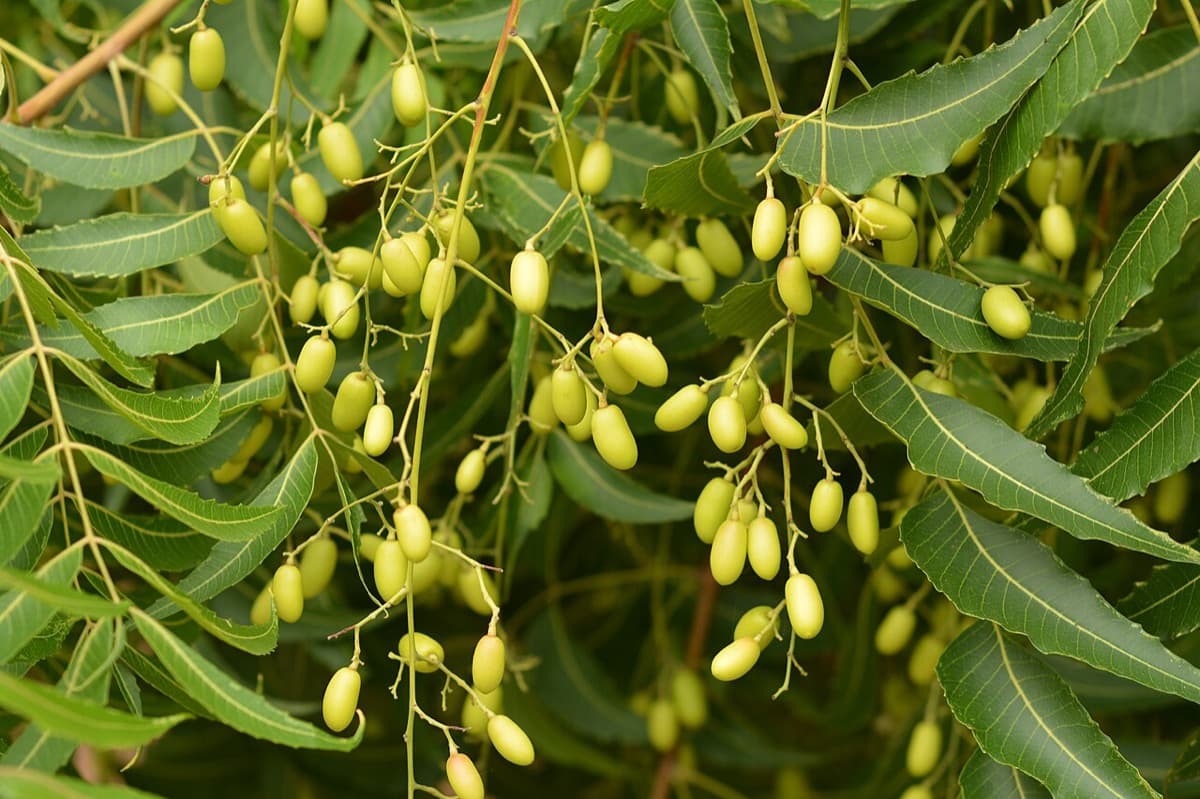
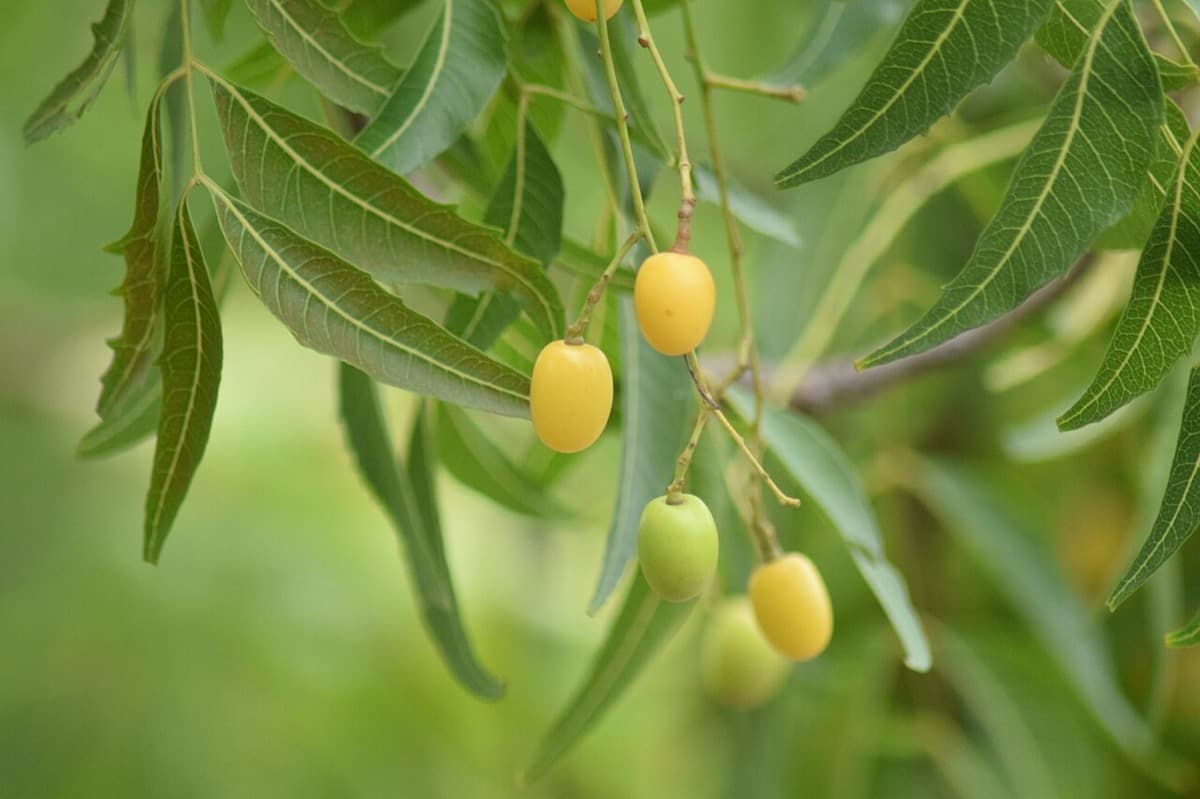
The oil comes from the kernel of the seed, which sits inside a small olive-like fruit the tree drops in summer. The pulp is removed, the seeds are dried, the shell is cracked, and the kernel goes to the press. Most of a well-dried kernel's weight is oil, which is why neem is worth pressing at all.
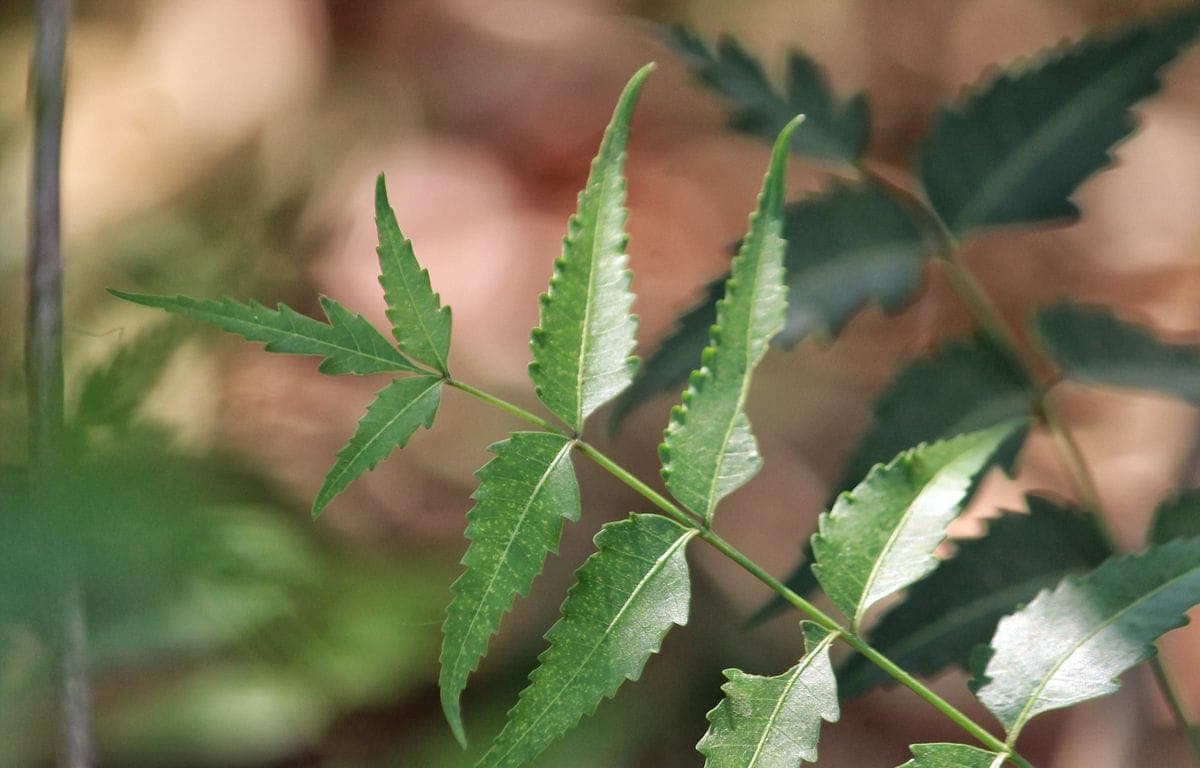
Leaves are a different raw material with different chemistry, and you cannot press oil from them in any meaningful quantity. Leaf goes into water extracts, powders and infusions instead. We map this out in which part of the neem tree does what.
Three ways the oil comes out of the kernel
Cold-pressing
Mechanical pressure without added heat, usually in a slow screw press. Friction raises the temperature somewhat, but the oil stays well below the point where its fragile constituents break down. Azadirachtin and the bitter nimbin-type compounds are the fraction everyone is arguing about, and they are the first to suffer from heat. Nothing is added and nothing is washed out. What comes off the press is filtered and bottled.
Expeller pressing
The same idea at higher speed, often with the seed pre-heated so it flows better. Yield goes up. Some heat-sensitive components and aroma compounds go down. Many oils sold simply as "pure neem oil" sit in this middle zone.
Solvent extraction
The pressed cake is soaked in an industrial solvent, usually hexane, of the kind permitted in edible-oil processing, and the solvent is then evaporated off. It is efficient and common across the edible oil industry. The resulting oil is almost always refined afterwards.
| Route | Colour and texture | Smell | Usually suits |
|---|---|---|---|
| Cold-pressed, unrefined | Dark green-brown, thick, often cloudy | Strong, sulphurous, garlicky | Concentrates and small-dose use |
| Expeller-pressed | Amber to brown, medium body | Noticeable but softer | Blended hair and body oils |
| Refined and deodorised | Pale yellow, thin, clear | Faint to none | Bases where colour and scent would be a problem |
Refined neem is pale because the smell was removed on purpose
Refining is a sequence of deliberate removals:
- Degumming takes out phospholipids.
- Neutralising removes free fatty acids.
- Bleaching pulls out pigment, using clay rather than household bleach.
- Deodorising strips volatile compounds with steam under vacuum.
Neem's characteristic smell comes largely from sulphur-containing volatiles, and those are exactly what deodorising targets. A pale, scentless neem oil is not fake. It is neem that has had its most distinctive fraction removed on purpose. If the smell is what puts you off, the chemistry behind neem's scent explains where it comes from.
What unrefined neem does in the bottle
Neem oil is high in saturated and monounsaturated fats, so it clouds and thickens as the room cools and can set almost solid in a cold Indian winter. That is normal and reversible: stand the closed bottle in warm water for a few minutes, or hold it between your palms, and do not microwave it. Store it in dark glass, tightly capped, away from heat and sunlight, because oxidation is the real enemy and it announces itself. Oxidised neem loses its sharp green pungency and turns flat and stale, more like old cooking oil than like neem.
Is "neem-infused" the same as neem seed oil?
No. Neem seed oil is the pressed oil itself. An infusion is another carrier oil in which neem leaf or powder has been steeped, so the strength depends entirely on how much was steeped and for how long. An extract is a concentrated fraction, sometimes standardised, sometimes not.
All three are legitimate, but they are not interchangeable, and ingredient lists rarely say which is doing the work. Our guide to reading neem product labels covers what neem's position in a list tells you about dose. A cold-pressed virgin neem concentrate, for instance, is undiluted press output meant to be used sparingly or diluted, which is a different proposition from neem sitting somewhere inside a finished formula.
Matching the grade to the job
Match the grade to the job instead of assuming darker is better. For spot use or for adding to a carrier, look for cold-pressed and unrefined, and expect it to be dark and smelly. For something wearable across a large area, a refined grade inside a proper formula is more comfortable and more likely to be used consistently. That matters more than potency on paper. A neem and bhringraj hair oil uses neem as one component of a scalp-massage blend, while a neem and aloe gel moisturiser carries a small, cosmetically stable amount in a water-based base. Different jobs, different doses.
Whichever grade you use, apply oil to slightly damp skin so there is water underneath to hold in. The American Academy of Dermatology makes this point about moisturising in its tips for relieving dry skin, and the same timing logic is worth borrowing for a plant oil.
Where the honest limits are
Be realistic about the ceiling. Neem has been studied in laboratories for antibacterial and antifungal activity, and that work is genuinely interesting, but laboratory activity is not a clinical result on your face. Think of neem oil as a supportive, clarifying ingredient. Persistent or painful acne, scalp flaking that will not settle, and any rash that spreads deserve a dermatologist. If you are pregnant, keep neem out of your diet and ask a doctor before regular topical use.
Frequently asked questions
My neem oil smells like garlic. Has it spoiled?
Almost certainly not. That sulphurous note is characteristic of unrefined neem seed oil and signals minimal processing. Spoiled neem smells flat and rancid instead of sharp.
Can I use neem seed oil undiluted on my face?
Most people should not. Dilute a drop or two into a carrier oil and patch test on the inner forearm for 24 hours first. If skin stings, reddens or tightens after a patch test, that grade is too strong for you undiluted.
Why is one brand's neem oil so much cheaper?
Yield explains most of it. Solvent extraction and refining pull far more oil from the same seed at lower cost. Dilution into a cheap carrier is the other common reason, which is where the ingredient list earns a careful read.
Does neem oil expire?
Yes. Kept cool and dark in glass, unrefined neem holds for a reasonably long stretch after pressing, and reputable sellers print a date. Heat, light and repeated air exposure shorten it considerably.