Body & Bath
Body Odour, Decoded: Why You Smell and What Actually Helps
14 Jul 2026 • Neemyukt Research Team
Here is the fact that changes how you think about body odour: fresh sweat has almost no smell. Walk out of a workout and what you're wearing is mostly water and salt. The odour arrives later, and it isn't produced by you — it's produced by bacteria living on your skin, digesting the proteins and lipids in your sweat and releasing volatile compounds as a by-product.
That one detail explains why so many odour strategies fail. Perfume layered over the problem doesn't remove the bacteria or their food supply; it just adds a second smell on top of the first. Managing odour properly means managing the ecosystem — moisture, bacteria and the surfaces they live on.
Where the smell actually comes from
You have two kinds of sweat glands. Eccrine glands cover most of your body and produce the watery sweat that cools you down. Apocrine glands, concentrated in the underarms and groin, switch on at puberty and secrete a thicker fluid rich in proteins and fats — which happens to be exactly what odour-causing bacteria like Corynebacteria prefer to eat. That's why the same bacteria that live harmlessly on your forearm produce a strong smell in your armpit: the menu is different.
Anything that increases moisture, warmth or bacterial food supply increases odour. Humid weather, synthetic fabrics that trap sweat against skin, re-worn gym clothes and skipped washes all feed the cycle.
The routine that works
1. Wash the right places properly
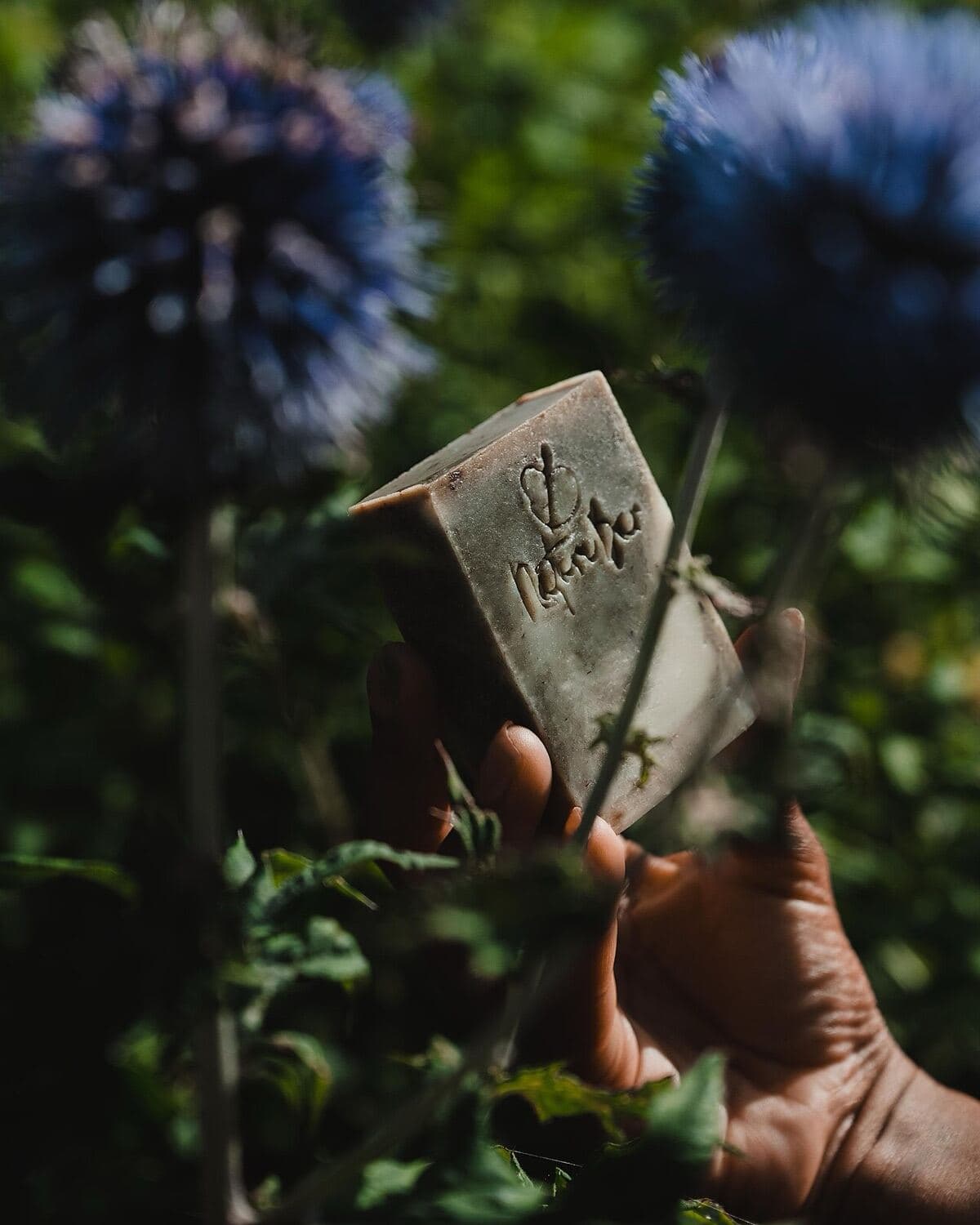
A quick rinse moves water around; it doesn't clear the sebum-and-protein film bacteria feed on. Underarms, chest, back and groin deserve actual cleansing with a wash that lifts oil without stripping skin — a neem body wash works well here because neem is traditionally valued for keeping skin clean and fresh while staying gentler than antiseptic soaps. If you prefer a bar, something like a neem and cedarwood soap pairs the same cleansing with a naturally woody scent instead of a synthetic fragrance load.
2. Dry completely before dressing
Bacteria multiply fastest on damp skin. Thirty extra seconds with a towel — underarms, under the chest, between toes — does more for odour than most sprays. Dressing while damp, especially in synthetics, is the single most common self-inflicted cause of midday smell.
3. Choose fabrics like they matter, because they do
Cotton and linen absorb sweat and let it evaporate. Polyester holds sweat against your skin and, over many washes, holds onto odour compounds themselves — which is why some gym shirts smell faintly bad even when clean. In Indian humidity, breathable fabric is half the battle.
4. Use fragrance as a finish, not a fix
Once skin is clean and dry, a light mist is a pleasure rather than a cover-up. A vetiver body mist suits this climate particularly well — khus has been India's cooling summer note for centuries precisely because it stays crisp in heat.
What about diet?
It plays a smaller role than the internet suggests, but a real one. Compounds from garlic, onions and some spices are excreted partly through sweat, and can sharpen odour for a day or so after a heavy meal. Staying well hydrated dilutes sweat slightly. Neither replaces washing; both nudge things in your favour.
When odour signals something more
A sudden, persistent change in body odour that hygiene doesn't touch — especially with other symptoms — is worth a doctor's visit, since it can occasionally reflect metabolic or hormonal changes. Strong foot odour with peeling or itching usually means a fungal element, which needs antifungal care, not just soap.
Frequently asked questions
Does shaving or trimming underarm hair reduce odour?
Yes, modestly. Hair increases surface area where sweat and bacteria collect, so trimming makes washing more effective and evaporation faster.
Are natural deodorants worth it?
They can be, if you accept what they do: reduce odour, not sweating. Only antiperspirants (aluminium salts) reduce wetness itself. Clean skin plus a natural fragrance covers most people's needs outside the gym.
Why do my clothes smell even after washing?
Odour compounds bond to synthetic fibres. Wash sports fabrics inside out, don't let them sit damp, and give them an occasional soak in dilute vinegar or a sports-wash detergent.
For the fuller picture on building a body-care routine — cleansing, exfoliating and moisturising in the right order — see our three-step body care framework, and if your body wash itself might be the problem, read the SLS story.