Ingredient Science
Azadirachtin and nimbin: the two neem compounds worth knowing
29 Sept 2026 • Neemyukt Research Team
Almost every neem product label talks about "neem" as though it were a single ingredient. It isn't. The leaves, seeds and bark of the tree contain well over a hundred identified compounds, and researchers have spent decades working out which ones do what. Two names keep coming up: azadirachtin and nimbin. Once you know the difference between them, neem claims get easier to judge, and it becomes clear why neem oil sprayed on a tomato plant and neem in a face wash aren't really the same topic.
In short: Azadirachtin is a complex compound concentrated in neem seeds, best known for disrupting how insects feed and grow, which is why neem-based crop protection is built around it. Nimbin is a related bitter compound found in neem oil and leaves, which, with its close relative nimbidin, has been studied mainly for anti-inflammatory activity in laboratory and animal work. Neither has strong human skin trials behind it, so see them as reasons neem is interesting, not as proof that any particular product works.
What kind of compounds are these?
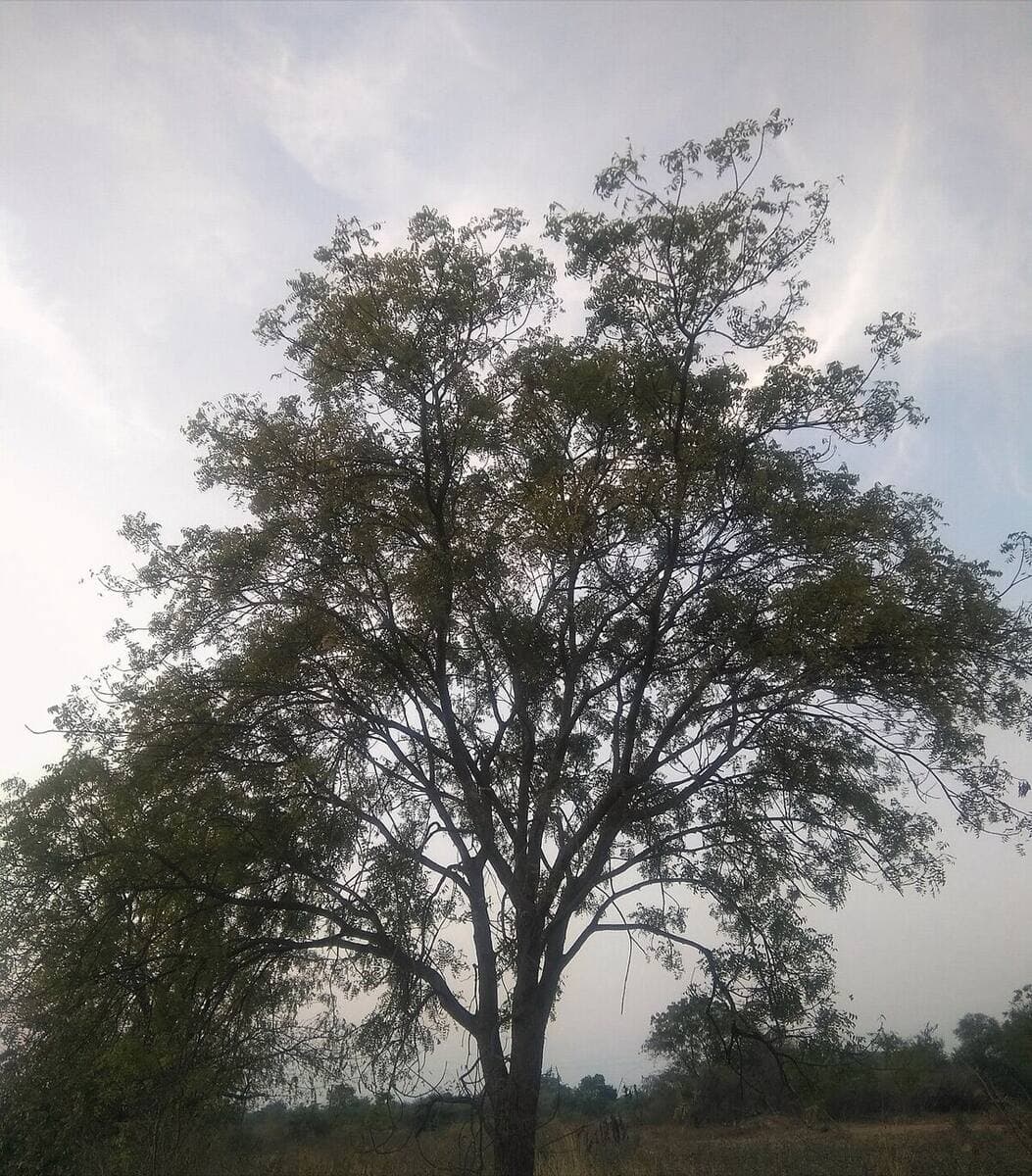
Both belong to a family called limonoids: bitter, heavily oxygenated molecules from the wider triterpenoid group. The same family gives citrus seeds their bitterness. Neem (botanical name Azadirachta indica) is unusually rich in them. That bitterness helps explain why Indian households have long tucked neem leaves into stored grain and folded clothes.
Limonoids aren't the whole picture, though. Neem leaves also contain flavonoids such as quercetin, and the oil carries fatty acids, sulphur compounds and many minor constituents. The sharp, garlicky smell comes mostly from those sulphur compounds, not from azadirachtin or nimbin. We cover that in why neem smells so strong.
Azadirachtin: the compound that made neem famous abroad
Azadirachtin was first isolated from neem seeds in the late 1960s. Its molecule is so intricate that chemists needed close to two decades to confirm the full structure, and a complete laboratory synthesis was only reported in 2007 after years of work. That complexity is one reason commercial azadirachtin still comes from the tree rather than a factory.
Its best-documented effect is on insects. It puts many species off feeding and interferes with the hormones that control moulting, so larvae struggle to develop. That's why regulators look at azadirachtin when they assess neem-based pesticides, and why neem seed kernel extracts are widely used in organic farming.
Two details matter for anyone thinking about skincare. First, azadirachtin sits mainly in the seed kernel, so leaf-based extracts carry far less of it. Second, it breaks down easily. Sunlight, heat and moisture degrade it fairly quickly, so its level in oil depends on how the seeds were stored, pressed and processed. The differences between methods are explained in how neem oil is made, cold-pressed versus refined.
Nimbin: the older, quieter discovery
Nimbin was among the first neem compounds to be isolated at all. In 1942 the chemist Salimuzzaman Siddiqui reported nimbin from neem oil, along with the related bitter principles nimbinin and nimbidin. That early work shaped much of the neem pharmacology research that followed.
Azadirachtin research leans towards insects, while nimbin and its close relatives have mostly been studied for anti-inflammatory, fever-reducing and antioxidant activity. Almost all of that evidence comes from test tubes and animal models, and much of it used mixed extracts rather than purified nimbin. It gives researchers good reason to keep looking. It gives a shopper very little to go on when guessing what a cream will do to their face.
Azadirachtin and nimbin side by side
| Azadirachtin | Nimbin | |
|---|---|---|
| Chemical family | Limonoid (triterpenoid) | Limonoid (triterpenoid) |
| Richest source | Seed kernel | Seed oil, also leaves |
| First isolated | Late 1960s | 1942 |
| Main research focus | Insect feeding and growth | Inflammation and oxidative stress in lab models |
| Stability | Sensitive to light, heat and moisture | Studied far less for stability |
| Where you mostly meet it | Neem-based crop protection | Research papers on neem extracts |
| Human skin evidence | Very limited | Very limited |
Does more azadirachtin make a better skin product?
Not necessarily. Azadirachtin content is a quality marker for pesticide-grade neem, where the whole point is its effect on insects. On skin, what people actually notice from neem products comes from the formula as a whole: its cleansing and purifying role, and the softening effect of the oil's fatty acids. Nobody has established a skin-benefit threshold for azadirachtin, and a shopper has no reliable way to know how much survives in a finished product. Labels rarely give a figure, and when they do it may describe the raw material rather than what's in the bottle. Our guide to reading neem product labels explains what you can and can't learn from the back of a pack.
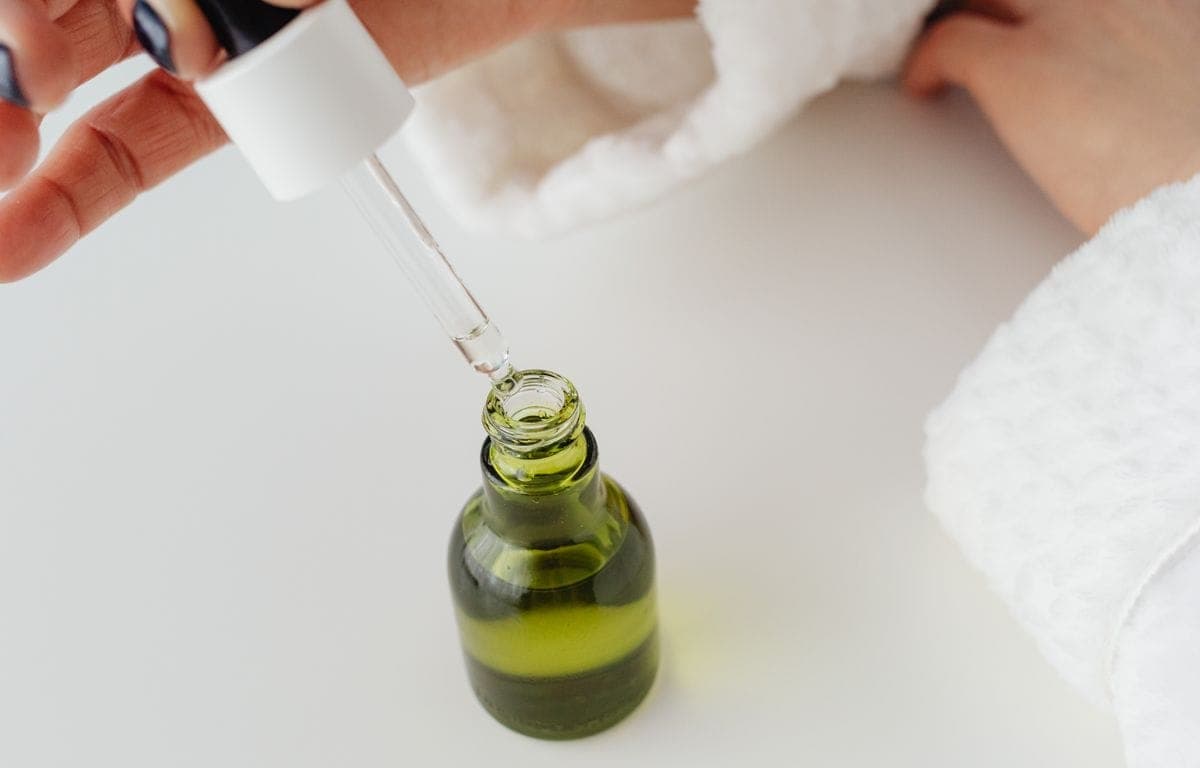
A more useful question is what job you want the product to do. If you want neem in its least processed form, a cold-pressed virgin neem concentrate is the closest option, used diluted and after a patch test. For everyday use, a neem and tulsi glycerin soap bar is about gentle, hygiene-supporting cleansing. It isn't a way to deliver a measured dose of any single compound.
Is it safe to put these compounds on skin?
Diluted neem oil is generally well tolerated on skin, but it isn't risk-free. Plant extracts, neem included, can cause allergic contact dermatitis in some people, which shows up as itching, redness or a rash where the product touched. The American Academy of Dermatology explains how this kind of reaction develops and why it can appear even after earlier uneventful use. A simple precaution is to apply a small amount to the inner forearm and watch it for 48 hours.
Neem oil should never be swallowed. Doctors have reported serious poisoning in infants and young children who were given it by mouth, so keep concentrates well out of reach and away from the eyes. If you are pregnant or breastfeeding, or have a skin condition such as eczema or persistent acne that isn't improving, see a dermatologist before relying on neem. For acne, they may suggest proven options such as adapalene or benzoyl peroxide, and they can tell you whether neem has a sensible place alongside them.
Frequently asked questions
Is azadirachtin the same thing as neem oil?
No. Neem oil is a mixture of fatty acids and many other compounds. Azadirachtin is one component, present in varying and usually small amounts depending on seed quality and processing.
Do neem leaves contain azadirachtin?
Only in small amounts. It is concentrated in the seed kernel, which is why leaf pastes, leaf baths and leaf extracts behave differently from seed oil.
Why don't skincare labels list nimbin or azadirachtin percentages?
Testing for individual limonoids is specialised and expensive, and there is no agreed skin-benefit level to measure against. A percentage without that context wouldn't tell you much anyway.
Are neem pesticides and neem skincare made from the same ingredient?
They come from the same tree but are selected and processed for different jobs. Agricultural products are often standardised for azadirachtin, while cosmetic formulas are judged on how they feel and how the skin tolerates them. Never use a garden product on your skin.