Ingredient Science
Sea buckthorn vs rosehip: two orange oils, two different jobs
13 Oct 2026 • Neemyukt Research Team
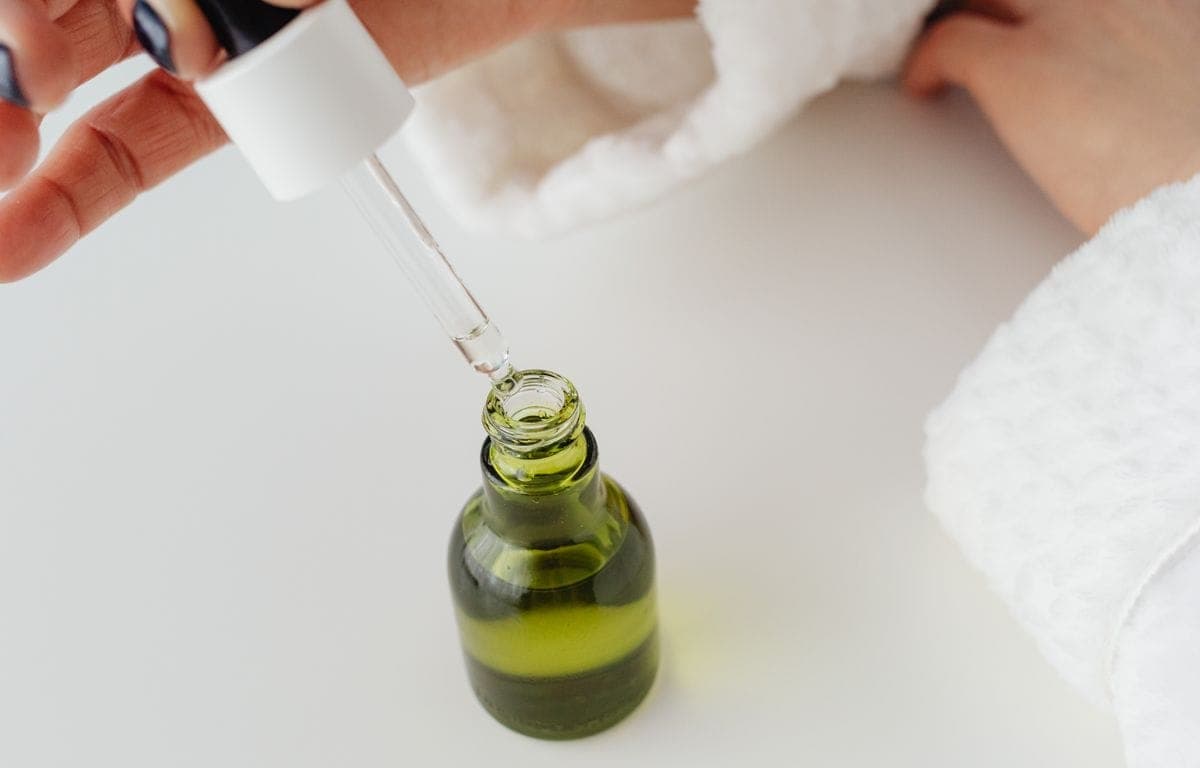
Pour rosehip and sea buckthorn side by side and you could be forgiven for thinking you had bought the same thing twice. Both run orange, both come from a fruit on a thorny shrub, both sit on the same shelf. On skin they do close to opposite jobs, and colour is the worst way to choose between them.
We sell one side of this comparison and not the other. At ₹1,899, the 30ml neem sea buckthorn and saffron renewal facial oil is that side, and there is no rosehip product in the range at any price, so where rosehip is the better answer below, it is said outright. About that price: the oil has not launched, so its page signs you onto the first batch instead of taking payment.
In short: Sea buckthorn fruit oil runs on palmitoleic acid and heavy pigment, which suits dry, chapped or mature skin and explains the stained pillowcase. Rosehip seed oil runs on linoleic acid, sinks in faster and barely tints, which makes it the better pick for oily and congestion-prone skin. Rosehip's catch is shelf life: it turns rancid far faster.
The fatty acids are where they part company
Sea buckthorn fruit oil, pressed from the soft pulp and peel, is unusually high in palmitoleic acid, an omega-7 that almost no other plant makes in quantity. With palmitic acid alongside, it is rich and slow to absorb, sitting on the surface and slowing water loss. Rosehip seed oil goes the other way: linoleic acid dominates, with a large share of alpha-linolenic behind it, both polyunsaturated, both thin and quick to sink in.
One complication: sea buckthorn also yields a pale, linoleic-rich seed oil that behaves more like rosehip than like its own pulp oil. The front of the bottle covers both; the ingredient list names them separately as fruit oil and seed oil. Our earlier piece on what sea buckthorn oil does and who it suits works through that split.
Which one does your skin actually want?
Dry, wind-chapped, mature or barrier-stripped skin does better with sea buckthorn fruit oil. A heavier, more occlusive layer holds moisture through the night, and the tint is a fair trade when the alternative is flaking by lunchtime.
Oily skin, and skin that grows small closed bumps, is the better candidate for rosehip. Researchers reported in the 1980s that sebum from acne-prone skin tends to be lower in linoleic acid than sebum from clear skin, and linoleic-rich oils have been the standard suggestion for that skin ever since. That does not prove an oil clears anything, but it makes a thin linoleic oil the more reasonable experiment on congestion-prone skin. Cold-pressed rosehip seed oil sells as a plain single-ingredient bottle; our case for facial oils on oily skin covers how to trial one.
Neither oil is the answer for painful, inflammatory acne, which needs a dermatologist who can assess you for options such as adapalene or benzoyl peroxide. An itchy crop of uniform small bumps may be fungal acne, which oils tend to make worse, so get it identified first.
Is rosehip really a natural retinol?
Rosehip's reputation rests on reports that the oil carries traces of all-trans-retinoic acid, the molecule in prescription tretinoin. Those reports exist, but they are few and old, a pressed cosmetic oil is not standardised for it batch to batch, and no published work has tested whether that trace is enough to act the way a prescribed retinoid does. Treat it as a footnote, not a reason to pay more.
Sea buckthorn claims nothing of the sort; its story is carotenoid pigment and vitamin E. If fine lines are the goal, the main lever is not in either bottle: MedlinePlus on ageing skin puts sun exposure at the centre of how skin visibly ages, so daily sunscreen does the heavy work. The neem bakuchiol night renewal serum at ₹1,699 lists bakuchiol at 1%, an ingredient with one small published comparison against retinol behind it, though that trial tested a different formula and had no placebo arm. It is unlaunched too: the page holds a queue place, not an order.
In pregnancy, ask your doctor before using rosehip rather than assuming a plant oil sits outside the retinoid question.
Staining and shelf life: the two practical differences
Sea buckthorn fruit oil carries enough carotenoid in an oily carrier to mark cotton, and those marks do not always wash out first time. Rosehip runs golden to light amber and rarely leaves anything behind. White pillowcases alone may settle this for you.
The bigger split is how each ages once opened. Polyunsaturated fats oxidise faster than monounsaturated and saturated ones, and rosehip is mostly polyunsaturated, which puts it among the quickest-turning oils on a bathroom shelf. Buy the smallest bottle you will finish, keep it capped and cool, refrigerate it if you can, and bin it when the smell goes fishy. Sea buckthorn fruit oil holds up better, since its dominant fats are monounsaturated and saturated, though light still fades the colour. Our piece on whether neem goes bad covers the signs, which apply to any pressed oil. Rancid oil is also likelier to irritate skin than the fresh version.
| Feature | Sea buckthorn fruit oil | Rosehip seed oil |
|---|---|---|
| Dominant fatty acid | Palmitoleic (omega-7) | Linoleic, then alpha-linolenic |
| Colour in the bottle | Deep orange to red-orange | Golden to light amber |
| Suits | Dry, chapped, mature, barrier-stripped | Oily, combination, congestion-prone |
| Marks fabric | Yes, noticeably | Rarely |
| Stability once opened | Better | Poor; refrigerate |
| Sold here | Yes, in a blend | No |
Combination skin can run both: rosehip on the nose and forehead, sea buckthorn on dry cheeks and jaw.
Frequently asked questions
Is rosehip oil the same as rose oil?
No, and the labels confuse people constantly. Rose oil is a fragrance material from petals, used in tiny amounts. Rosehip oil is pressed from the seeds inside the fruit, smells faintly nutty rather than floral, and is used by the dropper.
Which one is better for acne marks?
Neither is established for that. Rosehip is the one usually marketed for marks and scars, but the human evidence is thin. Flat brown marks fade with time and daily sun protection; raised or pitted scars need a dermatologist, not an oil.
Can I use a vitamin C serum with either oil?
Yes. Apply the water-based serum first and the oil last, since an oil works as a sealing layer. Worth knowing: rosehip oil itself carries very little vitamin C despite the fruit's reputation for it, because vitamin C is water-soluble and largely stays behind when the seeds are pressed.