Ingredient Science
Sea buckthorn oil for skin: what it does and who it suits
10 Oct 2026 • Neemyukt Research Team
Sea buckthorn gets discussed as an ingredient, and most of that writing stops at what the berry contains. The more useful question, with a bottle in front of you, is narrower: does this oil suit your face? The same oil that rescues wind-scoured skin in January can sit uselessly on a congested T-zone in August.
For background, our earlier piece on sea buckthorn, the orange berry in facial oils covers what is in it and what the research supports. This post is about fit, which is what decides whether ₹1,899 on something like the neem sea buckthorn and saffron renewal facial oil is money well spent or a bottle that sits unused on a shelf.
In short: Sea buckthorn oil suits skin that is dry, chapped, mature or recovering from a stripped barrier, and it suits that skin best at night. Very oily and congestion-prone faces usually do better with a lighter oil or none at all, particularly where the deep orange fruit-pulp type is involved. The tint on skin is temporary, though it can mark pale fabric; two drops at night, given time to absorb, solves most of it.
Fruit-pulp oil or seed oil? That decides most of this
One berry gives two different oils and the label word is the same for both. The soft fruit and peel press into the deep orange oil, unusually high in palmitoleic acid, a fatty acid that is rare in plants. The seeds give a paler oil rich in linoleic and alpha-linolenic acids, the polyunsaturated fatty acids common in lighter facial oils.
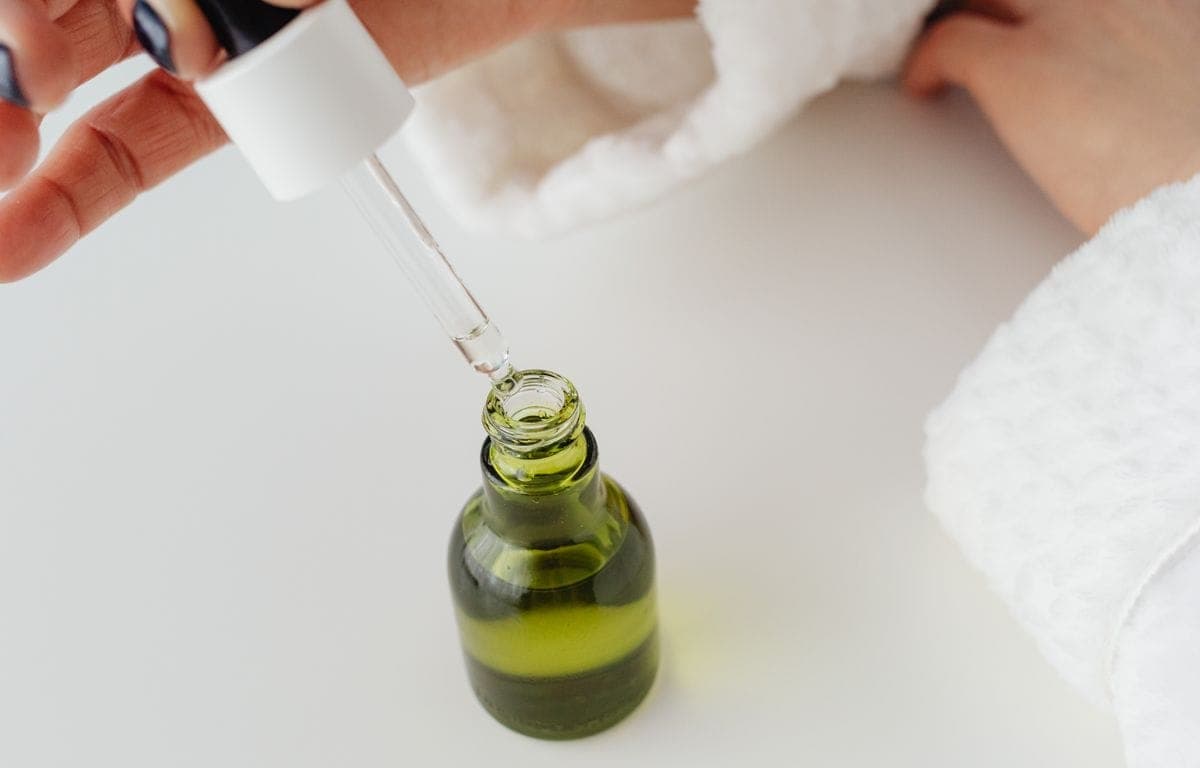
That difference does real work. Pulp oil feels richer, lingers on the surface and carries the colour, which is why it suits chapped skin and why it is the one that marks a pillowcase. Seed oil behaves like a conventional facial oil: thinner, quicker to sink in, almost no tint. You can usually tell by looking, since a deep orange oil holds a meaningful pulp share and a pale gold one does not. Ingredient lists separate them plainly as fruit oil and seed oil.
Who it genuinely suits
Dry skin that is still tight an hour after moisturiser is the clearest case. An oil does not add water, it slows the water you already have from leaving. Pressed over a moisturiser at night, a few drops make that layer last until morning.
Wind-chapped and cold-weather skin comes next, and mature skin usually belongs here too, since sebum output tends to fall with age. Cold air, low humidity and long hours in air conditioning pull moisture out faster than skin replaces it, which is why the American Academy of Dermatology's dry-skin guidance leans on sealing moisture in rather than washing more.
The fourth group is skin recovering from a stripped barrier: too much acid, a retinoid ramped up too fast, a scrub habit that got away. The oil is not doing the repair, your skin is, but a sealing layer buys quieter conditions. Put something plainly emollient underneath, such as the neem shea barrier cream at ₹899 for 50g, and read our barrier-first approach to dry skin before adding anything else back.
Who should go slowly, or skip it
Very oily skin in humid months rarely needs it. Your face already produces the lipids an oil supplies, so adding more is not usually harmful, just redundant and uncomfortable. A light water-based layer such as the neem aloe gel moisturiser at ₹799 is the better spend in July.
Congestion-prone skin, the kind that grows small closed bumps across the forehead and cheeks, should treat the pulp-heavy version carefully. The comedogenicity ratings quoted online are crude, drawn largely from old rabbit-ear testing, and they do not predict individual results. Nobody can tell you in advance whether an oil will congest you, which is precisely why testing beats reading.
Two situations call for a doctor instead. Painful inflammatory acne responds to prescription options a dermatologist can assess you for, and no facial oil substitutes for that. The itchy crop of small, uniform bumps that turns out to be fungal acne rather than ordinary acne can be fed by some oils, so have a dermatologist identify it before you experiment.
How to work out which group you are in
Read what your skin does this week rather than what it did five years ago. Type shifts with season, age, water and whatever else is in your routine.
| What your skin does | What it points to | Sensible first move |
|---|---|---|
| Tight or flaky an hour after moisturiser | More water leaving than the barrier holds | Two drops of a pulp-rich oil at night, over moisturiser |
| Oily T-zone, flaky cheeks | Combination skin, and only part of it wants oil | Oil on cheeks and jaw only, nothing on nose or forehead |
| Shiny all over by mid-morning | Plenty of your own lipids already | A light gel; an oil only in peak winter, if at all |
| Small closed bumps that keep returning | Congestion-prone | Paler seed-type oil or none; test one cheek for four weeks |
| Stings or reddens with new products | Sensitive or already irritated barrier | Patch test first and add nothing else that week |
A patch test that tells you something
A little on the inner forearm twice a day for a week catches most irritation and allergy, and it is worth doing first. It will not catch congestion, because comedones take weeks to surface. For that, use the oil on one side of your face only for three to four weeks, change nothing else meanwhile, and compare sides in daylight. If bumps appear, our guide to purging versus a genuine breakout helps you read them.
The orange tint, honestly
It is real. A pulp-rich oil pours out the colour of ripe mango and leaves a faint warm cast for a while after application, more visible on fair skin and barely noticeable on deeper tones. On skin it fades as the oil sinks in. It is a cast, not a stain.
Fabric is the part worth managing, because carotenoid pigment in an oily carrier can mark a white pillowcase or a pale towel, and those marks do not always wash out first time. Use the oil at night rather than before a white shirt, keep it to two drops, give it ten to fifteen minutes to absorb before your face reaches the pillow, and rub the drops into your moisturiser in your palm first, which dilutes the colour considerably. A blend tints far less than neat fruit-pulp oil anyway.
One practical note: the sea buckthorn and saffron facial oil is not on sale yet, so its page signs you up rather than checking you out. That is useful time. Run the forearm test on an oil you already own and find out whether oils suit you at all.
Frequently asked questions
Can oily skin use sea buckthorn oil at all?
Yes, but choose the paler seed-type oil, keep it to the driest patches and use it at night in cooler months. If your skin is oily and comfortable, there is nothing here that needs fixing.
How long should I trial it before deciding?
Four weeks. Comfort and softness show up within days, but congestion, if it happens at all, usually takes two to four weeks to become obvious. Judging on day three tells you almost nothing.
Is a pale sea buckthorn oil weaker than a deep orange one?
Different, not weaker. Seed oil is lower in carotenoids and palmitoleic acid and higher in linoleic and alpha-linolenic acids, so it feels lighter and tints less. Which one suits you depends on your skin, not on how intense the colour looks.
My skin stings when I apply it. Should I keep going?
No. Stop, simplify the routine for a week and see whether things settle. Stinging usually means the barrier is already irritated, or that something in the blend does not agree with you. If it recurs across different products, see a dermatologist.