Ingredient Science
Sea buckthorn: the orange berry in facial oils
01 Oct 2026 • Neemyukt Research Team
If a facial oil pours out the colour of a ripe mango, sea buckthorn is often the reason. The small orange berry comes from a thorny shrub, Hippophae rhamnoides, that grows in cold, dry regions of Asia and Europe, including the high valleys of Ladakh, Lahaul and Spiti. People there have long eaten the fruit and used it in folk remedies. In the last couple of decades it has also become a regular ingredient in facial oils and serums.
The interest is fair, but the marketing tends to run ahead of the evidence. Below we look at what the oil contains, which claims have some support, and how to use it without clogging pores or staining your pillowcase.
In short: Sea buckthorn oil is a nourishing plant oil rich in carotenoids, vitamin E and an unusual fatty acid called palmitoleic acid. Together these make it a good softening, barrier-supporting oil for dry or tired skin. Most of the research comes from laboratories, animals and small human studies, so treat it as a supportive oil, not a fix for acne, pigmentation or ageing.
Why is sea buckthorn oil orange?
The colour comes from carotenoids, the same family of pigments that makes carrots and marigolds orange. Beta-carotene is the best known of them, and sea buckthorn fruit carries it alongside several related pigments. Carotenoids are antioxidants: in laboratory work they neutralise the unstable molecules that sunlight and pollution generate in skin.
That is useful context, but an orange oil is not sun protection. No plant oil has been shown to block ultraviolet damage reliably, which is why MedlinePlus guidance on sun exposure still points to sunscreen, shade and covering up. A facial oil goes on in addition to sunscreen, never instead of it.
Pulp oil and seed oil are not the same thing
"Sea buckthorn oil" on a label can mean two quite different oils. One comes from the soft fruit pulp and peel, the other from the small seeds inside. They differ in colour, feel and fatty acid makeup, and a label rarely tells you which one is inside unless it says so plainly.
| Feature | Fruit (pulp) oil | Seed oil |
|---|---|---|
| Colour | Deep orange to red-orange | Pale yellow to light amber |
| Main fatty acids | Palmitoleic acid (omega-7) and palmitic acid | Linoleic (omega-6) and alpha-linolenic (omega-3) acids |
| Carotenoid content | High | Low |
| Feel on skin | Richer, can tint skin briefly | Lighter, closer to other facial oils |
| Usual role in formulas | A small percentage for colour and nourishment | Chosen for a lighter feel with little tint |
Palmitoleic acid deserves a mention because it is uncommon in plant oils. Human sebum contains closely related fatty acids, and researchers have studied its role at the skin surface. The seed oil looks more like familiar facial oils, heavy in linoleic acid, which often feels lighter on oily skin.
What the research actually shows
Sea buckthorn has attracted plenty of scientific attention, but the kind of evidence matters. Much of it is laboratory work on cells, or animal studies of wounds and burns where oil preparations appeared to support tissue repair. Those results echo the berry's folk use on chapped skin, but they don't predict what a few drops on a human face will do over a month.
Human studies exist, though they are mostly small, often use oral supplements rather than topical oil, and sometimes test mixed formulas where one ingredient is hard to isolate. The fair summary: sea buckthorn is a well-studied emollient with real antioxidant content, and softer, more comfortable skin is a reasonable expectation. Claims that it erases dark spots, reverses wrinkles or clears acne are not backed by solid clinical evidence.
Who is it good for?
Dry and dehydrated skin
This is where the oil fits best. Cold, dry winters and hard water can leave skin tight and flaky. A few drops pressed in over a moisturiser help slow water loss and leave the surface smoother.
Oily and acne-prone skin
Here, go slowly. Oils are not automatically bad for oily skin, but a pulp-rich oil in humid monsoon weather can feel heavy. Start with one or two drops at night on a small area and watch for new bumps over two weeks. For active acne, see a dermatologist: options a dermatologist may recommend, such as adapalene or benzoyl peroxide, have far more evidence behind them than any oil.
Sensitive skin
Sea buckthorn is not a common irritant, but any plant oil can react with some skin, and blends often add fragrance or essential oils. Read the full ingredient list against a sensitive-skin ingredient checklist and patch test on the inner arm for a couple of days first.
How to use a sea buckthorn facial oil
Oil belongs at the end of a night routine, after water-based toners, serums and moisturiser, because it sits on top and slows evaporation. If you are unsure where it fits among your other products, this guide to skincare layering order covers the logic.
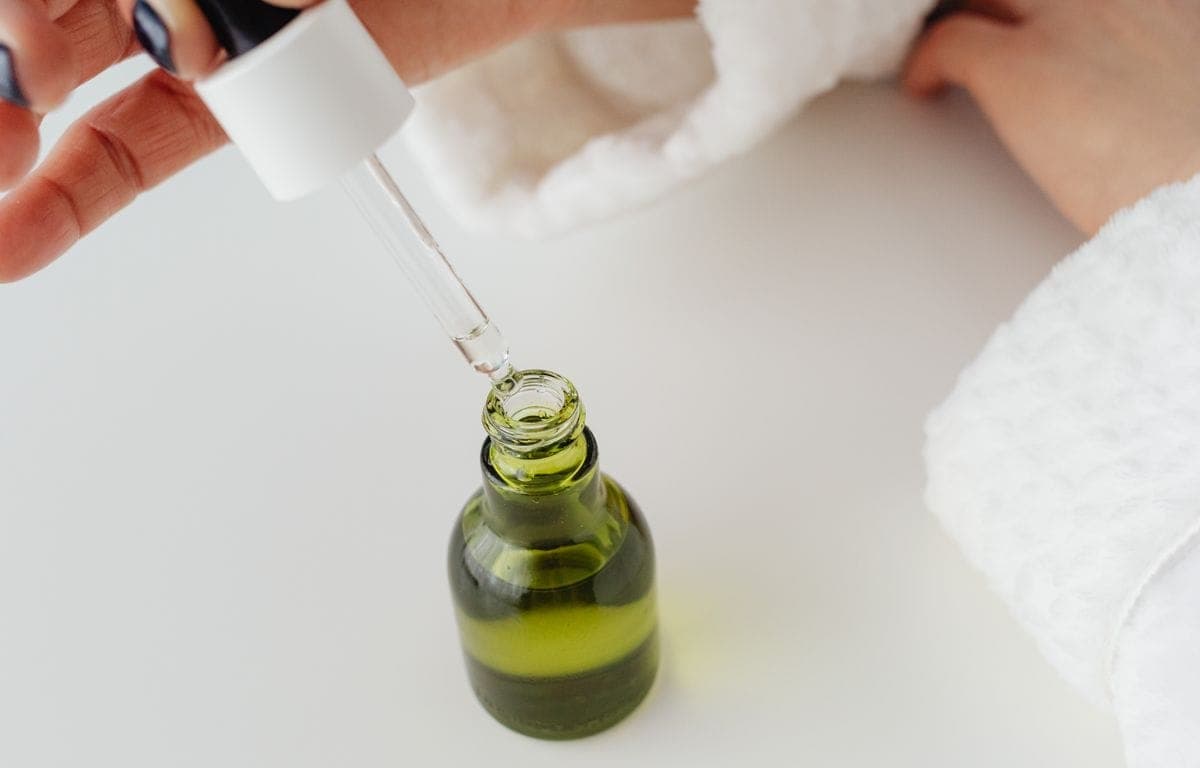
Two to four drops is enough for the whole face. Warm them between your palms and press them in rather than rubbing. In humid months, pairing a light layer such as the neem aloe gel moisturiser with a drop or two of oil usually feels better than a heavy cream plus oil. A blend like the neem sea buckthorn saffron facial oil works as a supportive final step on dry evenings; saffron's own story is covered in our piece on kesar in skincare. In the morning, finish with a sunscreen such as the neem mineral sunscreen.
A practical warning: pulp-rich oils can leave a faint yellow tint on lighter skin tones and stain cotton pillowcases and towels. Let the oil absorb for ten minutes before bed, or use a darker pillowcase.
Storage matters too. Carotenoid-rich oils oxidise with heat, light and air, so keep the cap closed and the bottle away from sunny windowsills and bathroom steam. If the smell turns sharp or crayon-like, the oil has gone rancid and should be thrown out.
Frequently asked questions
Will sea buckthorn oil make my skin look orange?
Only if you use a lot of a pulp-heavy oil. In a well-made blend it is usually a small percentage, and any tint fades once the oil absorbs. Use fewer drops if you notice it.
Can I use it alongside vitamin C or retinoids?
Generally yes. Apply the active serum first and the oil afterwards. If a prescription retinoid such as tretinoin is making your skin raw, ask your dermatologist before adding anything new.
Is sea buckthorn oil safe during pregnancy?
Topical cosmetic use is generally considered low risk, but pregnancy-specific evidence is limited. Check with your doctor, particularly before taking sea buckthorn as a supplement.
Does it fade acne marks?
That is not established. Daily sunscreen and patience help marks fade, and a dermatologist can advise on proven options if they persist.