Skin Care Guides
Winter Skincare for Dry Indian Skin: Barrier First
29 May 2026 • Neemyukt Research Team
Why does skin that behaved itself all through October start flaking, itching and turning dull by mid-December? Cold gets the blame, and it has earned some of it. But most winter skin misery in India is really a barrier problem — the weather starts it, our bathing habits finish it, and both are fixable.
Winter runs a quiet moisture heist
Cold air holds less water than warm air. Through a North Indian winter, ambient humidity drops sharply, and skin — which constantly loses a little water to the air around it — starts losing a lot. Formulators call it transepidermal water loss. Skin calls it tightness, flaking and that ashy, greyish cast on shins and forearms.
Then we make it worse. Steaming-hot bucket baths melt away the very lipids that were slowing the water loss. Room heaters dry the indoor air further. Woollens rub. By January, the barrier is fighting on four fronts at once.
Soften the cleanse before anything else
The foaming gel that suited you in August is probably too much for December. Swap to a cream-textured wash with barrier lipids built in — this ceramide cream cleanser for dry skin is the shape of thing to look for — and use lukewarm water on your face, whatever temperature the rest of your bath runs. Hot water on facial skin is the fastest stripping agent in the house.
For many dry-skinned people, cleanser once a day is enough in winter; plain water does the morning shift perfectly well. And if your skin stings, flushes or reacts easily in the cold, our sensitive-skin ingredient checklist is worth ten minutes of your time.
The moisturiser is the whole game
Winter moisturisation works on a simple two-part principle: draw water in, then seal it there. Humectants like glycerine handle the drawing. Emollients and occlusives like shea butter handle the sealing. A summer gel does the first job and shrugs at the second — which is exactly why it stops being enough.
Move to a proper cream. Something like a shea butter moisturiser with ceramides — 8% shea, in this case — does both jobs and reinforces the barrier while it's at it. Shea has earned its winter reputation honestly; we've written about why shea butter behaves so well on dry skin if you want the ingredient story.
Timing multiplies the effect. Apply within about three minutes of washing, while skin is still damp, and you trap that surface water instead of surrendering it to the dry air. It is the cheapest upgrade in this entire article.
Nights count double, because you go eight hours without a sip of water while the heater hums. A slightly thicker layer at bedtime — or the full sequence from our night routine for dry skin — pays off visibly by morning.
Below the neck, the losses are bigger
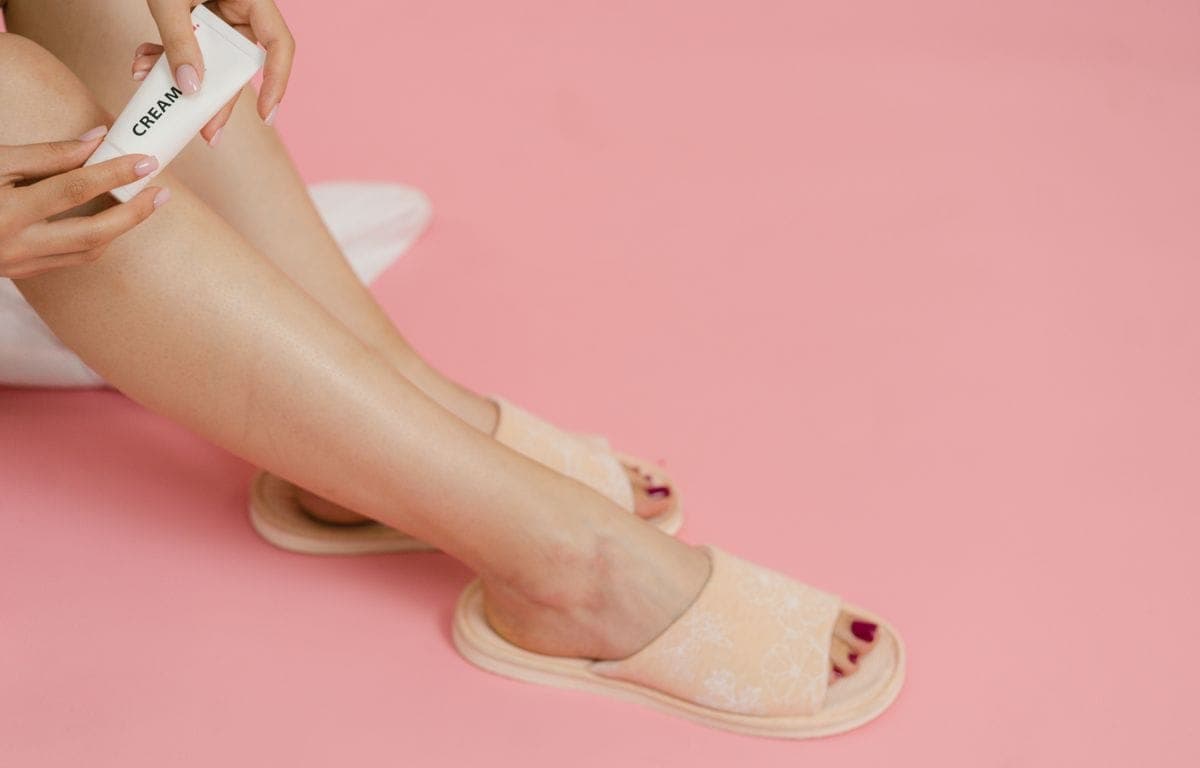
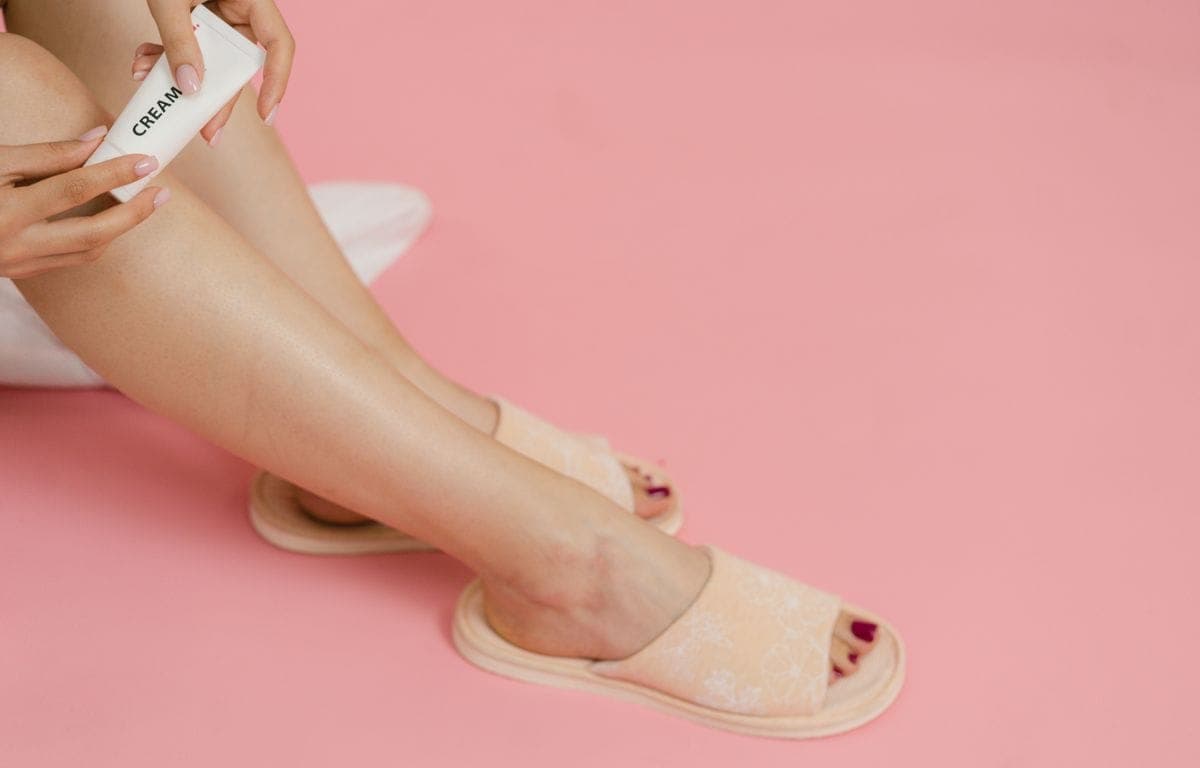
Faces get all the attention, but shins, forearms and backs have fewer oil glands to start with, and they're the first to turn itchy and ashy. The fix is the same principle at body scale: a fragrance-free body lotion with niacinamide on damp skin, every single time you bathe. Not when you remember — every time.
Fragrance-free matters more in winter, when a porous barrier lets irritants through more easily. And if woollens make you itch, apply lotion first and wool second; a moisturised barrier tolerates the friction far better than a parched one.
Habits that cost nothing
Shorter baths, a notch cooler than you'd like. Pat dry rather than towelling hard. Shelve the scrubs — exfoliating an already-thinning winter barrier once a week is plenty, if you do it at all. Keep a lip balm within reach, because lips have no oil glands whatsoever. Heels crack for a similar reason and answer to the same logic: moisture, sealed in, repeatedly.
A humidifier in the bedroom helps if you run a heater all night. So does drinking water — modestly. Hydration from within supports skin, but it cannot substitute for sealing the outside.
Our grandmothers, incidentally, had this figured out without a single ingredient list: a spoon of malai worked into elbows and heels before the bath was occlusive therapy by another name. The tools have improved. The principle hasn't changed at all.
Start with the two swaps that move the needle most: a cream cleanser and a proper winter-weight moisturiser, with a body lotion stationed in the bathroom. Do those consistently for two weeks and December skin starts behaving like October skin again — no heroics required.