Neem & Nature
Neem in the Indian courtyard: why every old house had one
30 Sept 2026 • Neemyukt Research Team
Walk into an old haveli in Rajasthan, a wada in Maharashtra or a village home in Uttar Pradesh, and there is a good chance you will find a neem tree in or beside the courtyard. Grandparents rarely explained it. The tree was simply there, the way a well or a tulsi planter was there, and the household quietly used it for a dozen small jobs.
The interesting question is why neem, specifically, and not a mango, a peepal or a banyan. The answer is a mix of climate, practicality and belief, and it is worth separating those strands because they do not all hold up equally well.
In short: Old Indian houses kept a neem tree because it thrives in heat and poor soil with little water, casts dense shade through the hottest months, and supplied leaves and twigs for everyday household uses such as storing grain, bathing and cleaning teeth. Some of those uses have reasonable support, others are mostly tradition, and none of them replace modern medicine.
Why did neem suit the Indian courtyard so well?
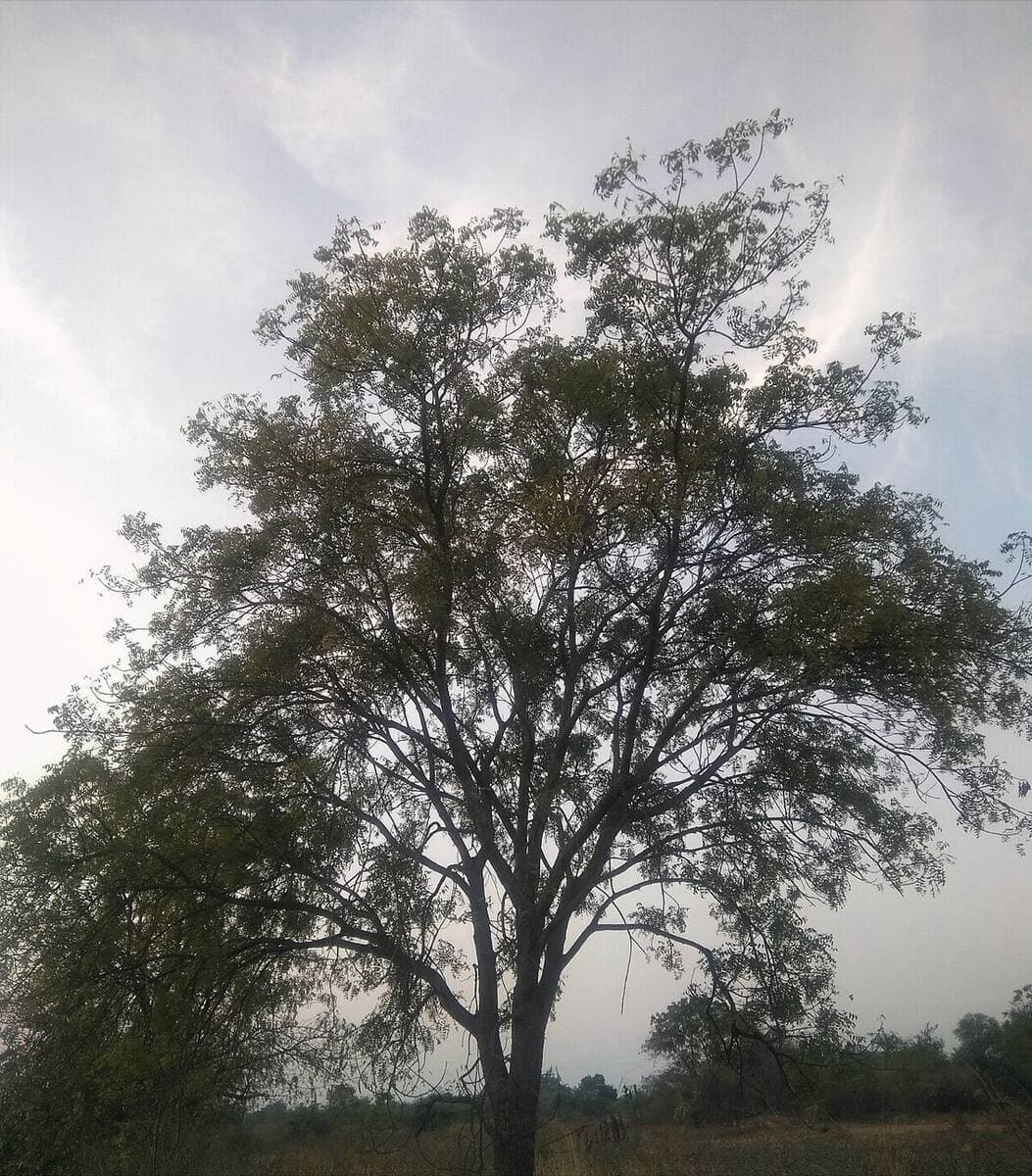
Neem is a tough tree. It tolerates long dry seasons, shallow or stony soil and fierce summer heat, which is exactly the climate across much of north, central and western India. Once established, it needs little care and almost no watering, so a family could plant it once and benefit for generations.
It also keeps most of its leaves for much of the year, dropping them only briefly before new growth in spring. In a courtyard where grain was dried, clothes were washed and people slept outside on summer nights, that near-constant shade was valuable.
Shade before fans and coolers
The most practical reason was heat. A courtyard house is designed to pull hot air up and out, and a large tree over the aangan shades the paving, cools the air through the moisture its leaves release, and keeps the surrounding rooms more bearable. Before ceiling fans and coolers, that difference mattered for health as well as comfort. The World Health Organization notes that extreme heat strains the body, and that older adults, young children and people with chronic illness are especially at risk. A shaded courtyard was one of the few tools a household had.
What did households actually use the tree for?
Beyond shade, the neem acted as a small household store. Different parts of the tree had different jobs, and knowing which part does what explains a lot of these habits. For the wider medicinal tradition, our piece on why neem is called India's village pharmacy covers the broader tradition.
| Part of the tree | Traditional household use | How it holds up today |
|---|---|---|
| Dried leaves | Layered into grain bins, rice sacks and trunks of woollens | Reasonable. Neem compounds have been studied as insect deterrents, though airtight storage does more of the work |
| Fresh leaves | Boiled into bath water, especially during illness or hot weather | Pleasant and cooling, but evidence for health benefits is limited |
| Twigs | Chewed as datun to clean teeth | Partly sound as a mechanical cleaner; not a replacement for brushing and dental visits |
| Leaves at the doorway | Hung when someone in the house had a fever or pox | Symbolic and social rather than protective |
| Smoke from burnt leaves | Used in the evening to keep mosquitoes away | May deter some insects briefly, but smoke irritates the lungs; nets and approved repellents are safer |
The datun habit gets its own examination in neem twigs as datun: which parts of the old habit hold up, published alongside this piece, so we will not repeat it here.
The bath water tradition
A pot of water with a handful of neem leaves simmered in it was a common summer and monsoon ritual, particularly after a fever or when someone had prickly heat. The water smells strong, feels fresh on sweaty skin, and the ritual itself encouraged regular bathing in hot, humid weather, which is sensible hygiene on its own. What it does not do is clear an active skin infection. Ringworm, spreading rashes or boils need a dermatologist, who can prescribe the right medicine.
Many people now get a similar feel from a neem bath product used as its label directs, such as neem herbal bath drops, or from a bar like the neem tulsi glycerin soap bar. Treat these as supportive, purifying additions to a routine, not remedies.
Was it also about belief?
Yes, and that is part of why the tree survived in so many homes. In many regions neem is associated with Sheetala Mata, the goddess linked to fevers and poxes, and the tree was treated with respect rather than cut casually. Its bitter leaves appear in festival customs, including the neem and jaggery mix eaten at Gudi Padwa and Ugadi, which has its own post on this site today.
Belief and practicality reinforced each other: a sacred tree was rarely felled for firewood, so it kept giving shade.
Should you plant a neem tree at home today?
If you have the space, it can still be a good choice for hot, dry parts of India. A few practical points before you do:
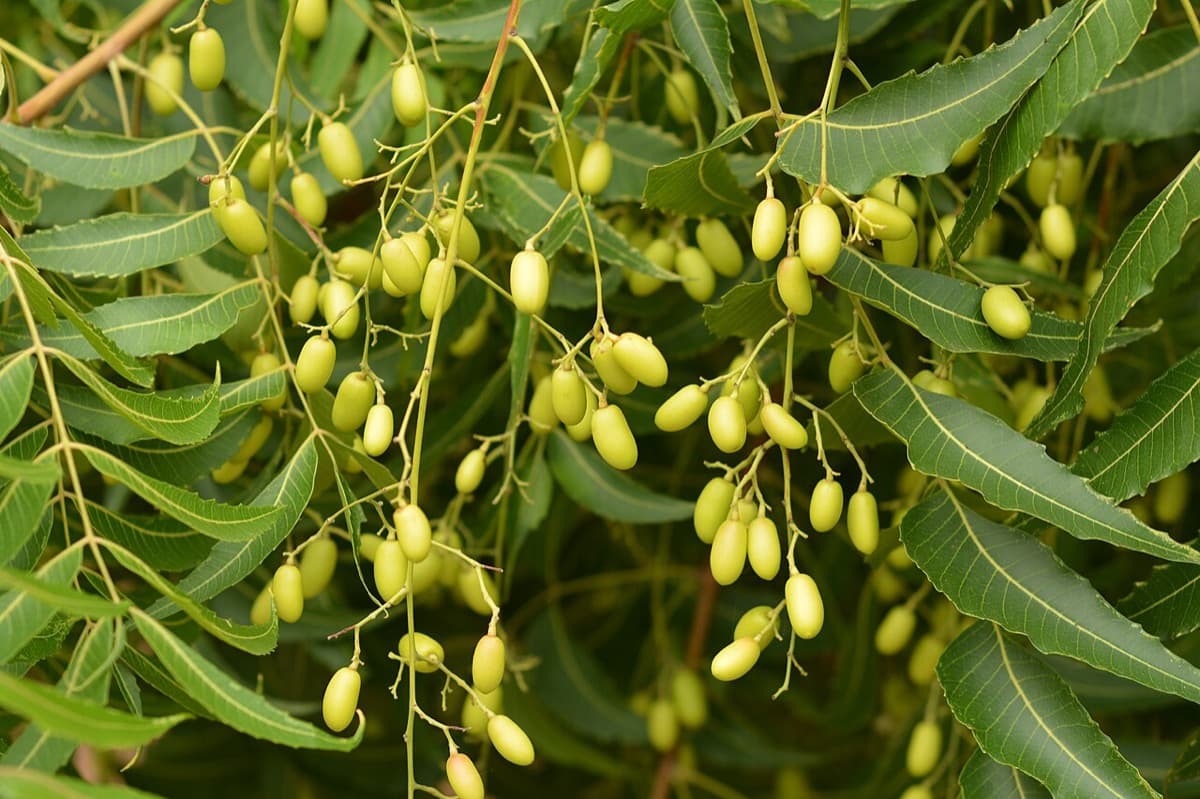
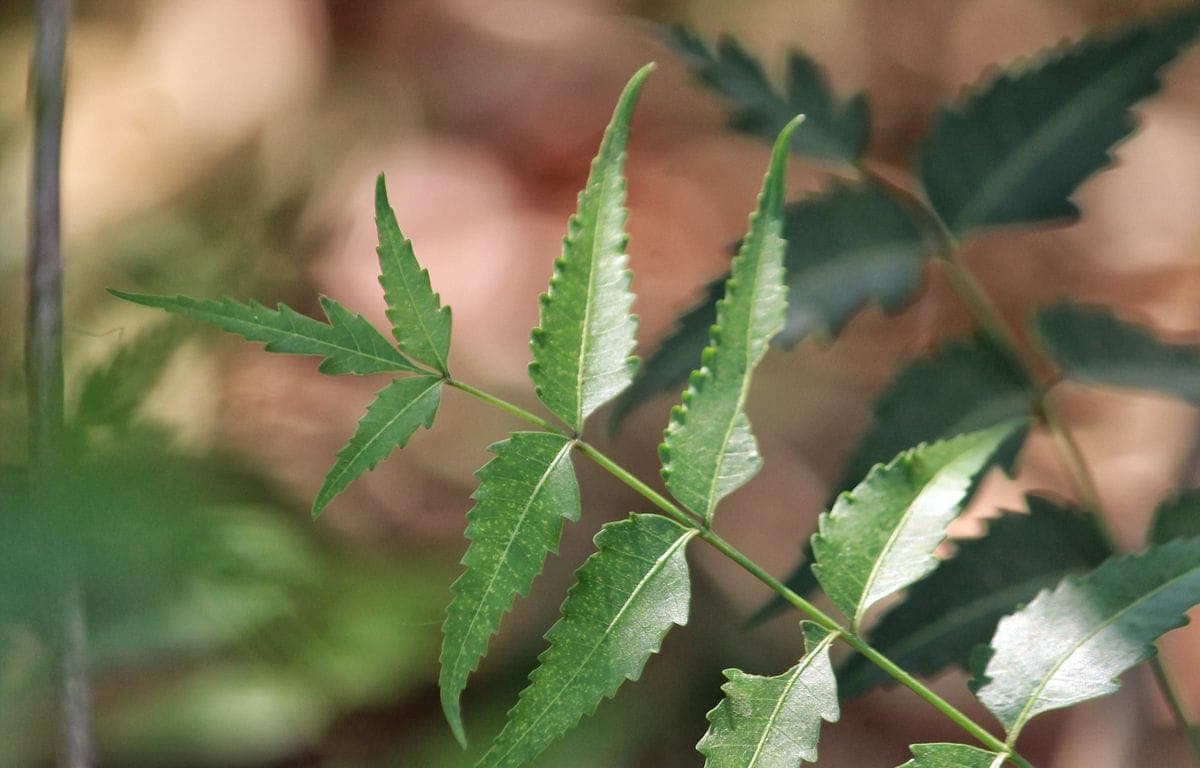
Check it really is neem. Bakain (Persian lilac) is easily mistaken for neem at nurseries, and curry leaf plants sometimes are too. Our guide on telling neem from bakain and curry leaf shows the differences. Bakain fruit in particular should not be eaten.
Give it room. A mature neem is a large tree with a wide canopy and strong roots. Plant it well away from walls, drains, septic tanks and the building's foundation.
Expect leaf drop. There is a short period each spring when the tree sheds heavily. In a paved courtyard that means daily sweeping for a few weeks.
Keep expectations honest. A tree will make a house cooler and more pleasant. It will not purify indoor air in any measurable way, protect a family from disease, or replace mosquito nets, vaccination or a visit to the doctor.
Frequently asked questions
Why was neem planted near the entrance of old homes?
Partly for shade over the doorway and front platform, and partly for belief. Many families considered a neem near the entrance auspicious and protective. The shade benefit is real; the protective idea is tradition.
Do dried neem leaves really protect stored grain?
They seem to help as a deterrent, but clean, dry, airtight containers do most of the work. Treat leaves as an extra layer, not the main defence.
Does a neem tree keep mosquitoes away from the house?
Not in any reliable way. Standing near a neem does not stop mosquito bites. Remove stagnant water, use nets and screens, and use repellents approved for skin.
Is it safe to use neem leaves from my own tree on skin?
For most people, a bath with boiled and cooled neem-leaf water is well tolerated. Do a patch test first, avoid applying raw leaf paste to broken skin, and see a dermatologist for any rash that spreads or does not settle within a week or two.