Neem & Nature
How a neem tree survives an Indian summer
28 Sept 2026 • Neemyukt Research Team
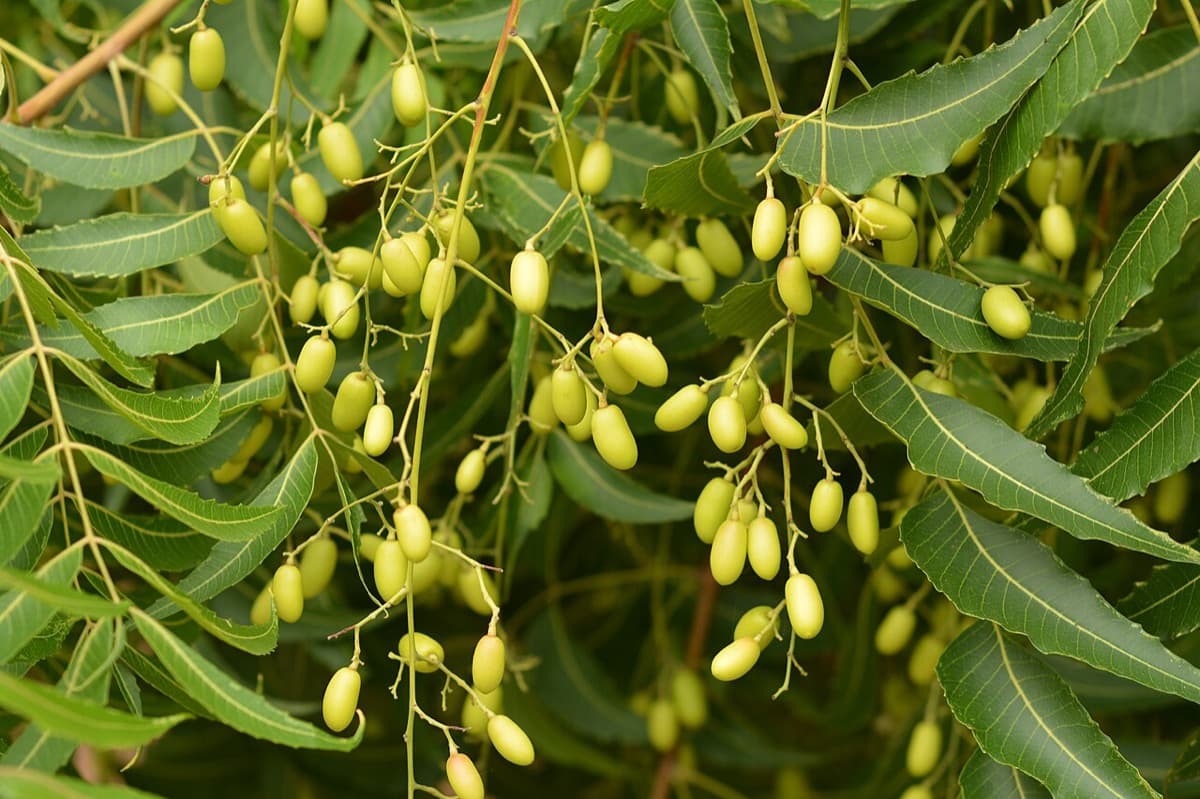
By late May, most of what grows along an Indian roadside looks exhausted. Grass has turned the colour of straw and flowering shrubs droop by noon. The neem, meanwhile, is usually still standing in a pool of its own shade, leaves a clean, glossy green.
That is not luck. Neem (Azadirachta indica) evolved in the dry, hot parts of the Indian subcontinent, and its whole body is built around getting through long rainless months. Understanding how it does that is a small lesson in botany, and, if you stretch it gently, a reminder of what our own skin goes through each summer.
In short: A neem tree survives the Indian summer by sending roots deep to reach moisture that surface plants cannot, by timing its leaf drop and fresh flush before the hottest weeks, and by tolerating poor, stony soils that would starve other trees. It is not invincible: it dislikes waterlogging and frost, and young saplings need care. But once established, few Indian trees handle heat and drought as calmly.
Why doesn't a neem tree wilt when everything else does?
The short answer is that a mature neem is drinking from a different place. Its main root, the taproot, grows downward into the ground, while a spread of side roots reaches outward. When the top layer of soil dries into crust, the deeper roots can still draw on moisture held further down. Shallow-rooted plants, like lawn grass, have no such reserve and wilt as soon as the surface dries.
Deep rooting comes at a cost. A neem seedling spends its early years investing below ground rather than growing tall, which is why young saplings are vulnerable and benefit from watering and protection from grazing animals. Once that root system is in place, though, the tree becomes remarkably self-reliant.
Small leaflets, less heat
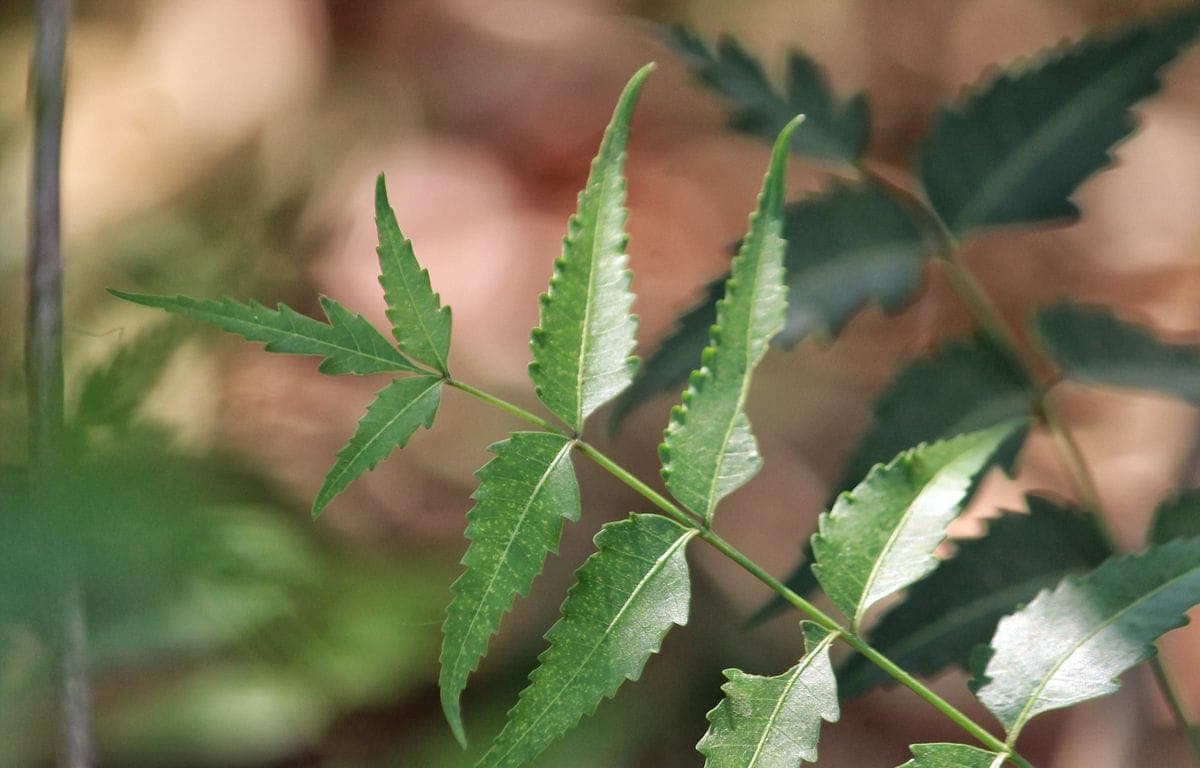
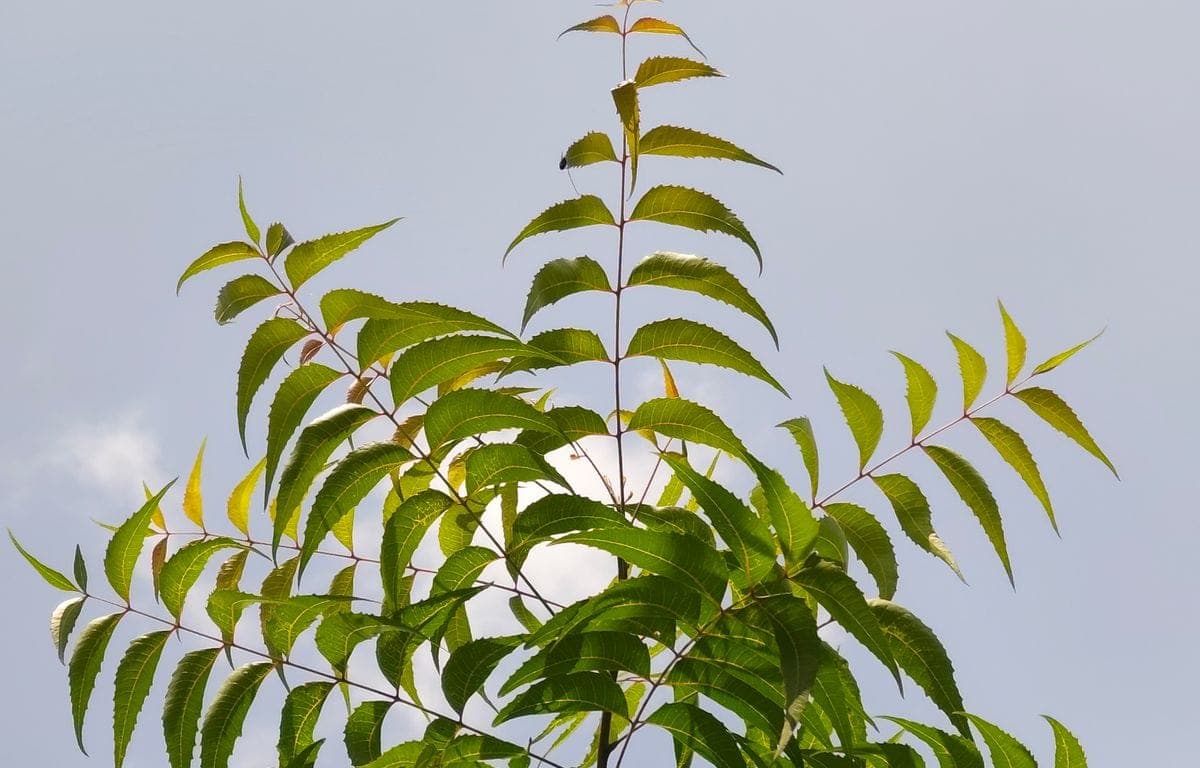
Look closely at a neem leaf and you will see it is really a stalk carrying many narrow, toothed leaflets. Botanists call this a compound leaf. Smaller leaf surfaces shed heat more easily than one large broad leaf, and the gaps between leaflets let air move through the canopy. The result is a crown that casts dense, dappled shade without baking in the sun itself.
The leaf swap: shedding and flushing on its own schedule
Neem is often described as evergreen, but that is only roughly true. In most of India it behaves as a semi-evergreen tree. Towards the end of the cool, dry season, it drops a good share of its older leaves, sometimes quite noticeably, and then pushes out a flush of soft, coppery new leaves that quickly turn green. In very harsh droughts, a tree may lose more of its foliage than usual and wait for better conditions.
This timing matters. Old, worn leaves lose water inefficiently. By renewing its canopy before the fiercest heat arrives, the tree meets summer with fresh, well-functioning foliage. The flowering that follows in spring is its own story, covered in our piece on why neem products change through the year.
How neem copes with heat, drought and poor soil
The table below pulls together the main survival traits. The descriptions are qualitative on purpose: exact limits vary with the tree's age, the local climate and the soil it grows in.
| Summer stress | What the neem tree does | Its limit |
|---|---|---|
| Dry topsoil | Deep taproot and wide side roots reach moisture further down | Saplings have not yet built this reserve |
| Intense sun and heat | Small, divided leaflets shed heat and let air through the crown | Leaves can scorch in extreme, prolonged heat |
| Long rainless spell | Drops older leaves and flushes new ones before peak heat | Severe drought can leave it thin for a season |
| Thin, stony or nutrient-poor soil | Grows where many fruit and shade trees struggle | Does badly in soil that stays waterlogged |
| Cold nights | Handles mild winters well | Sensitive to frost |
That tolerance of poor ground is one reason neem has been planted so widely on degraded land, school compounds and village edges. It asks little of the soil and gives back shade and leaf litter that slowly improve it.
Why was neem planted along so many Indian roads?
For generations, neem has been a favoured avenue and courtyard tree, and the reasons are practical. It establishes in rough roadside soil, needs little watering once grown, and its dense crown keeps a patch of ground noticeably cooler through the afternoon. Anyone who has waited for a bus under a neem in June knows the difference.
It has also long been planted near homes and temples; for that heritage, see our piece on why neem is called India's village pharmacy.
What the neem tree's summer strategy means for your skin
A tree has roots and a leaf calendar. We have sweat glands. When the body heats up, it cools itself by sweating, and in humid Indian summers that sweat does not always evaporate cleanly. When sweat ducts become blocked, sweat gets trapped under the skin and produces the itchy, prickly bumps we call ghamoriyan. The Mayo Clinic's overview of heat rash explains this mechanism clearly.
The practical lessons are fairly simple: stay in the shade during the hottest hours, wear loose cotton, drink enough water, rinse off sweat rather than letting it sit, and keep skin care light. Our guide to prickly heat and how to cool it goes through each step.
Neem-based products can be a supportive part of that routine, not a replacement for it. A purifying cleanser such as a neem body wash helps wash away sweat and grime at the end of a hot day. A light, water-based gel like the neem and aloe botanical skin gel can feel more comfortable than a heavy cream when humidity is high. And since the tree's lesson is really about shade, a mineral sunscreen protects against sun exposure in a way no botanical extract is designed to.
None of these will stop a rash that is spreading, blistering, painful or accompanied by fever. Those need a doctor, and so does any sign of heat exhaustion, such as dizziness, headache, nausea or confusion after time in the sun.
Frequently asked questions
Does a neem tree need watering in summer?
An established tree usually copes without it. Young saplings, especially in their first few summers, benefit from occasional deep watering, since their roots have not yet reached deeper moisture. Avoid keeping the soil soggy.
Why is my neem tree losing leaves in spring?
This is normally the tree's regular leaf swap. Older leaves fall towards the end of the dry season and a fresh flush follows. If branches stay bare well into the monsoon, or the bark shows damage, ask a local horticulturist to take a look.
Can neem grow in poor or rocky soil?
Yes, it is known for tolerating thin, stony and nutrient-poor soils. What it handles badly is ground that stays waterlogged, which starves the roots of air.
Does sitting under a neem tree help prickly heat?
The shade and cooler air help simply because you sweat less. There is no evidence that the tree itself does anything more. For a persistent or worsening rash, see a dermatologist.