Ingredient Science
Why your vitamin C serum turned brown, and whether to bin it
16 Oct 2026 • Neemyukt Research Team
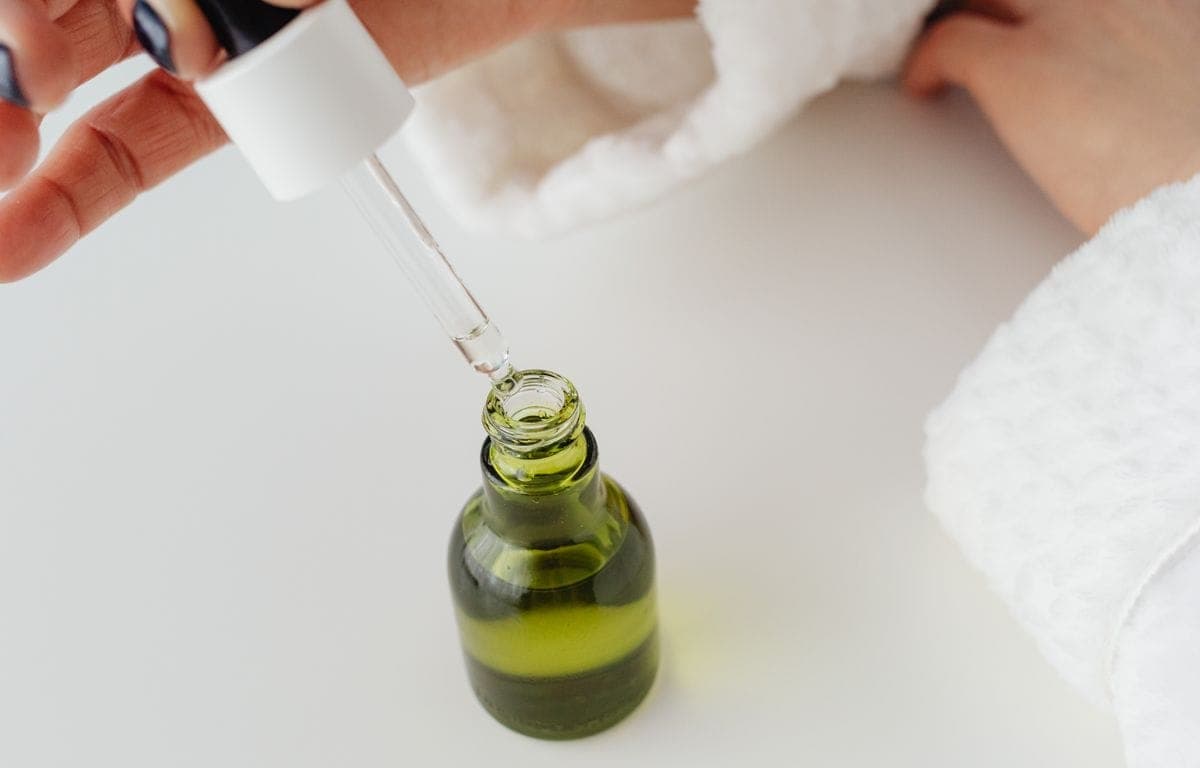
A vitamin C serum that was almost colourless when you bought it and now looks like weak tea has not gone off the way milk goes off. It has oxidised, which is the one thing pure vitamin C is guaranteed to do once air, light and warmth reach it.
The question worth answering is not whether oxidation happened. It is how far it has gone, because a faint straw tint and a deep orange-brown call for two different decisions.
In short: Brown means the vitamin C has oxidised and lost part of its activity, so the serum is weaker than the label suggests. A pale yellow bottle is usually still worth finishing quickly, while a dark amber or orange-brown one has degraded far enough that you are mostly applying by-products. Bin it when the colour is deep, the smell or texture has changed, or it stings skin that tolerated it before.
Why does vitamin C turn brown at all?
L-ascorbic acid is unstable because of the very property that makes it useful. It gives up electrons easily, which is how it mops up free radicals on skin and also how oxygen strips it the moment it gets a chance. Ascorbic acid first becomes dehydroascorbic acid in a step that is partly reversible. The US National Library of Medicine's entry on vitamin C sets out what the vitamin does and why the body cannot store it. Beyond that step the molecule fragments into compounds that absorb blue light, so the liquid reads yellow, then amber, then brown.
Five things speed the process up: oxygen dissolved in the formula, light through a clear bottle, heat, trace metal ions from water or packaging, and a pH that drifts upward as the product ages. A dropper adds a sixth, since every squeeze draws fresh air into the bottle.
Why it can tint your skin and your pillowcase
One late breakdown product, erythrulose, is used deliberately in sunless tanning products because it reacts with proteins in the outermost skin layer to create colour. That is why a badly oxidised serum sometimes leaves a faint orange cast on the face, a pale towel or a pillowcase. The tint is cosmetic and fades as surface cells shed, but it reliably means the bottle is past its best.
Does an oxidised serum still do anything?
Partly, which is what makes the decision annoying. Browning is a gradient, not a switch: a serum showing its first yellow tinge still holds a useful amount of intact ascorbic acid, while a dark one may hold very little. Home storage varies too much for anyone to read a percentage off the colour. What is fair to say is that the antioxidant and brightening work you paid for shrinks every week the bottle sits open, and chilling it later reverses nothing.
| Colour of the serum | What it usually means | Sensible action |
|---|---|---|
| Clear or very pale | Fresh, close to label strength | Use as normal |
| Light straw yellow | Oxidation has begun, mild potency loss | Finish within two to three weeks |
| Deep yellow to amber | Substantial loss, may tint fabric | Stop using it on the face |
| Orange-brown or brown | Mostly breakdown products | Discard |
| Brown with a sharp smell or separation | The whole formula has broken down | Discard |
So should you bin it?
Discard it if the colour has reached deep amber or brown, the liquid has thickened or separated, the smell has turned sharp or metallic, or it now stings and leaves the face flushed when it never used to. A serum that far gone is not worth irritating a barrier you then spend a fortnight repairing.
If it is only faintly yellow, use it up over the next two or three weeks instead of saving it for special occasions. Spreading it over the neck or the backs of the hands finishes it without waste. What will not help is layering on more to compensate, or adding anything acidic to revive it.
Why Indian storage conditions shorten the clock
Most bathroom shelves swing between humid warmth and direct afternoon sun, so a serum kept above a geyser or beside a window ages faster than the same bottle in a bedroom drawer. Long summers, power cuts that warm a chilled bottle again and again, and decanting into prettier containers each cost real weeks of shelf life. Neem oil, leaves and powder age under the same pressures, so one storage habit protects the whole shelf.
Getting a full bottle's worth next time
Buy small, store cool and dark, and favour packaging that limits air: an opaque bottle with a pump beats a clear dropper. If you keep losing serums to browning, a stable derivative such as sodium ascorbyl phosphate or ethyl ascorbic acid holds its colour far longer than pure L-ascorbic acid, and the rundown of vitamin C forms helps you pick. Strength matters too, because a very high percentage serum you use nervously twice a week will brown before you finish it. Where to start on concentration covers that properly.
Daily use is the best preservative there is. A supportive morning pairing, a serum such as the neem vitamin C brightening serum followed by a mineral sunscreen, empties the bottle while it is still active, and sun protection does more for pigmentation than any serum alone. On days you skip the serum, a gentler step such as a neem turmeric brightening toner keeps the routine going.
If pigmentation has not shifted after three or four consistent months, that is a question for a dermatologist rather than a stronger serum.
Frequently asked questions
My serum has gone slightly yellow. Do I have to throw it away?
No. A light straw tint signals early oxidation, not a spoiled product. Use it every morning and finish it within two or three weeks rather than rationing it.
Does keeping it in the fridge stop the browning?
Cold slows the reaction, it does not stop it. Refrigeration helps most in summer, though repeated warming during power cuts cancels much of the benefit. A dark drawer in a cool room is often steadier.
Can a brown serum harm my skin?
For most people it simply underperforms. Degraded formulas can sting or leave a temporary orange cast, and sensitive skin reacts more. Stop at the first sign of burning, and see a dermatologist if irritation lasts more than a few days.
Why did mine brown long before the printed expiry date?
Expiry dates assume a sealed bottle in reasonable conditions. Once opened, the clock is set by air, light and heat, not by the carton, which is why the same product can last three months for one person and five weeks for another.