Ingredient Science
Vitamin C for Skin: Which Form Works, and Why It Turns Brown
04 Sept 2026 • Neemyukt Research Team
Vitamin C is one of the few skincare actives with a long research history behind it, and one of the worst behaved ingredients on a bathroom shelf. It oxidises, it changes colour, and because "vitamin C" on a label can mean at least six chemically different molecules, two serums making the same claim can perform nothing alike. If you have ever bought a bright serum, watched it turn the colour of weak tea, and quietly stopped using it, this is why.
In short: L-ascorbic acid is the best-studied form and works at roughly 10% to 20% in a low-pH formula, while stable derivatives such as sodium ascorbyl phosphate and ethyl ascorbic acid are easier to live with but carry thinner evidence. A serum turning yellow, then brown, is oxidation driven by heat, light and air. Keep it out of the bathroom, use it in the morning under sunscreen, and judge it over months rather than days.
What does vitamin C actually do for skin?
Vitamin C has two well-established roles: it is an antioxidant, and it is a required cofactor for the enzymes that stabilise collagen. A review of the roles of vitamin C in skin health, published in Nutrients and archived by the US National Institutes of Health, sets out both functions in detail. That collagen role is the biochemical basis for most of the firmness claims you see on packaging.
Topically, what people notice is tone rather than texture. Vitamin C interferes with one of the steps in melanin production, so over months it can help fade the look of post-acne marks and sun-related patchiness. It does not lighten your natural skin colour, and any product promising that is selling you a story. The antioxidant side matters more in Indian conditions than most people realise, since UV exposure and pollution both generate free radicals in skin.
What does the percentage on the label mean?
The percentage tells you concentration, not effectiveness. For pure L-ascorbic acid, formulators typically work between 10% and 20%. Below about 8% there is often too little to do much; above 20% you mostly add irritation and instability, and irritation itself can trigger more pigmentation in deeper skin tones. A 25% serum is a marketing number, not a better product.
Percentage also means little when the form changes, because a 10% derivative and a 10% L-ascorbic acid serum are not comparable. Two other things matter as much as the number: pH, and whether the formula includes supporting antioxidants such as vitamin E and ferulic acid, commonly used together to slow degradation.
Which form of vitamin C actually works?
This is where most of the confusion lives.
| Form | Stability | Typical strength | What to know |
|---|---|---|---|
| L-ascorbic acid (LAA) | Poor | 10% to 20% | Most researched. Needs pH below about 3.5, so it can sting. |
| Sodium ascorbyl phosphate (SAP) | Good | 1% to 5% | Water-soluble, near-neutral pH, well tolerated on oily skin. |
| Magnesium ascorbyl phosphate (MAP) | Good | 1% to 10% | Gentle and hydrating in feel. Slower, subtler than LAA. |
| 3-O-ethyl ascorbic acid (EAC) | Very good | 1% to 10% | Stays largely colourless in storage. Holds up in humidity. |
| Ascorbyl glucoside | Very good | 2% to 10% | Mild and slow-release. Depends on skin enzymes to convert. |
| Tetrahexyldecyl ascorbate (THD) | Excellent | 0.5% to 10% | Oil-soluble and generally well tolerated. Expensive, richer texture. |
The honest summary: LAA has the strongest evidence but the worst shelf life, and most derivatives trade some of that evidence for reliability, since they have to be converted in the skin first. If your bottle lives in a Mumbai or Chennai bathroom, a stable form that still works in month four may serve you better than an LAA serum that died in week three. The Neem Vitamin C Brightening Serum (30ml) takes that route, using 10% ethyl ascorbic acid with ferulic acid and niacinamide in amber airless packaging, which is a supportive option if high-strength LAA has stung in the past.
Why does a vitamin C serum turn brown or orange?
Colour change is oxidation. Ascorbic acid reacts with oxygen and converts to dehydroascorbic acid, then to breakdown products, some of them yellow-brown pigments. Pale straw yellow means the process has started. Deep amber or brown means most of the active is gone. Three things drive it, and Indian homes supply all three:
- Heat. A bathroom without air conditioning in May sits well past the temperature the formula was stability-tested for.
- Light. This is why good serums come in amber glass or opaque bottles.
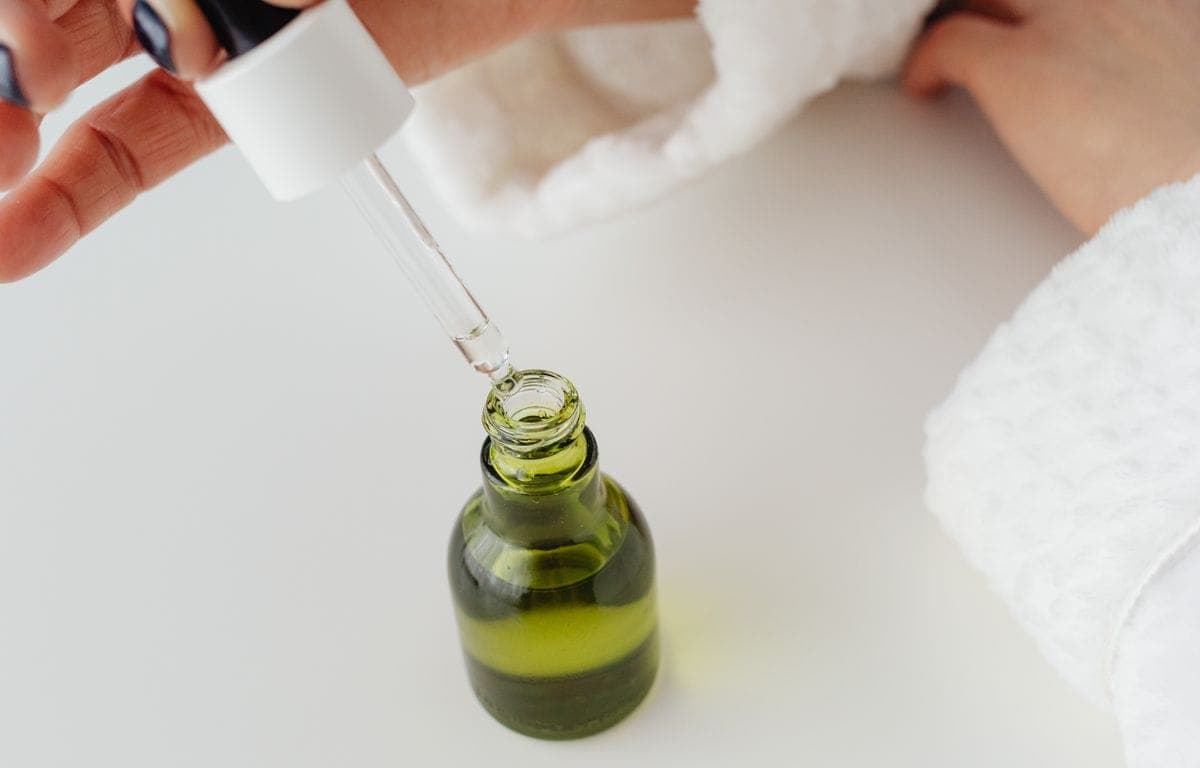
- Air. Droppers are worse than pumps and airless bottles, because you reintroduce oxygen every time you open the cap.
Storage that actually helps
- Keep the bottle out of the bathroom, in a bedroom drawer away from a window.
- Close it immediately after use instead of leaving the dropper on the counter.
- Buy 30ml rather than stockpiling, and finish an LAA serum within about three months of opening. Stable derivatives usually last longer.
- Refrigerate if you like, but let a cold bottle warm up before opening, or condensation gets in.
How should you layer vitamin C?
Morning, on clean skin, before the heavier layers: cleanser, antioxidant step, moisturiser, sunscreen. An oxidised serum is not dangerous, but it is no longer doing the job you paid for, so replace it when the colour shifts. If a full serum feels heavy in humid months, a lighter texture works in the same slot. The Neem Kesar AM Antioxidant Toner (100ml) is built on the vitamin C, vitamin E and ferulic combination with niacinamide, so it sits at that stage without doubling up.
Vitamin C and sunscreen belong together. The antioxidant handles some of what gets past your SPF, and the SPF prevents the new pigmentation that would otherwise undo months of work. Skip sun protection and expect very little from a brightening routine. Our guide to Sunscreen in Indian Weather covers reapplication in heat and humidity, where most Indian routines fall apart; a zinc-and-titanium option such as the Neem Mineral Sunscreen (50ml) suits skin that reacts to chemical filters.
A few combination rules worth knowing:
- Vitamin C and niacinamide are fine together, despite an old internet claim to the contrary. The pairing suits oily skin well, as we cover in Niacinamide for Oily Skin.
- Keep vitamin C and retinoids at opposite ends of the day, mainly to limit irritation.
- Do not use an LAA serum in the same session as a strong AHA or BHA exfoliant.
Who should be cautious?
If your skin is reactive, rosacea-prone or compromised by over-exfoliation, high-strength L-ascorbic acid is a poor starting point. Begin with a derivative, use it every other morning for two weeks, and patch test on the jawline first. Mild tingling that fades in a minute is common; burning, persistent redness or itching is not, and means stop.
It is also not the right tool for every dark patch. Melasma is stubborn and hormone-linked, and inflamed cystic acne or a scaly rash needs a diagnosis from a dermatologist rather than a serum. If marks are deep, widespread or worsening, a consultation will save you months of guessing. For another traditional brightening ingredient and where its evidence stops, see Turmeric for Skin.
Frequently asked questions
Can I use vitamin C at night instead of the morning?
Yes, and it will still work. Morning is recommended for the antioxidant benefit during daytime exposure, not for safety, so if night is when you will actually be consistent, use it then. The exception is if you already use a retinoid at night, in which case keep vitamin C in the morning.
My serum smells slightly metallic. Is it still usable?
A faint metallic or sour note alongside a colour shift means oxidation is well underway. Its useful life is over, so replace it rather than pushing through the last few millilitres.
How long before I see a difference?
Realistically, around eight to twelve weeks of consistent daily use alongside daily sun protection. Tone changes are gradual and easiest to judge from photographs taken in the same light, not from the mirror each morning. Anything visible within days is hydration or light reflection, not pigment change.