Ingredient Science
Tulsi on Skin: What Holy Basil Actually Does
01 Aug 2026 • Neemyukt Research Team
No plant in India carries more reverence per leaf than tulsi. It gets its own pedestal in the courtyard, its own festival, daily watering as devotion. Somewhere along the way it also became a skincare staple — and unlike some traditions, this one travels surprisingly well from ritual into chemistry.
The chemistry under the reverence
Tulsi — holy basil, Ocimum sanctum — is intensely aromatic, and that aroma is the point. Its leaves are rich in essential-oil compounds, notably eugenol (the same molecule that gives clove its bite), along with camphor-like constituents and antioxidant flavonoids. Eugenol and its companions have well-documented antibacterial and anti-inflammatory activity in laboratory settings, which is why tulsi extracts keep showing up in research on natural preservatives and antiseptics, not just in devotional gardens.
Ayurvedic practice used tulsi paste on skin eruptions, wounds and insect bites — applications entirely consistent with what the chemistry suggests: a plant whose defence compounds inhibit microbial growth and calm inflammatory response.
What this means for your skin
For breakout-prone skin, tulsi contributes to keeping the bacterial side of the acne equation in check. It won't dissolve a clog the way salicylic acid does — different mechanism, different job — but as a daily-cleansing botanical it helps keep skin an unfriendly venue for the bacteria that turn clogs into angry spots.
For sweat-prone and odour-prone skin, the same purifying character applies body-wide, which is why tulsi appears in traditional bath preparations.
For irritated skin, its anti-inflammatory constituents make it one of the calmer members of the purifying-botanical family — gentler company than, say, high-dose tea tree, which as we've written is easy to overdo.
Why tulsi and neem keep appearing together
The pairing isn't marketing habit; it's complementary chemistry. Neem brings its limonoid compounds (nimbin, nimbidin) with a broad purifying reach; tulsi brings aromatic phenols like eugenol working through different mechanisms. Traditional formulations combined them for centuries on the sensible logic that two different defence systems cover more ground than one — the same reasoning behind our neem-tulsi glycerin soap, where both botanicals ride a non-stripping glycerin base for daily use. For the neem half of the story, start with neem for acne-prone skin.
Keeping claims honest
What tulsi is not: a treatment for cystic acne, a substitute for prescribed antibiotics, a brightening agent, or an overnight anything. Most of its laboratory evidence involves extracts at concentrations skincare doesn't replicate; the fair claim for a tulsi product is supportive daily hygiene with a genuine purifying character, not therapy. That's also the appropriate expectation for every botanical in this series — from turmeric to tea tree.
Frequently asked questions
Is drinking tulsi tea good for skin?
Tulsi tea is a fine beverage with antioxidant content, but "drink X for glowing skin" claims outrun the evidence. Topical use puts the compounds where you want them.
Can I rub fresh tulsi leaves on my face?
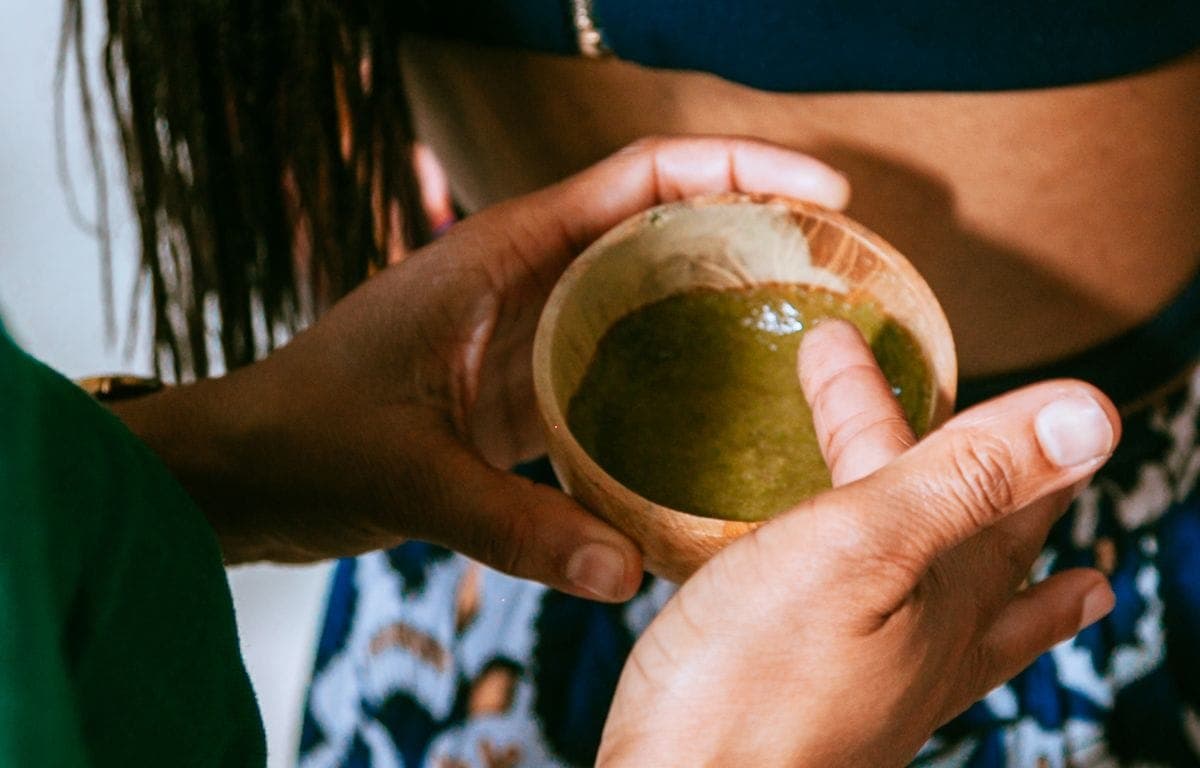
Crushed-leaf paste is the traditional form and generally well tolerated — but fresh plant material varies in strength and cleanliness. Patch test, and avoid broken skin.
Does tulsi help with fungal issues too?
Its essential oils show antifungal activity in studies, though neem and tea tree are the stronger traditional picks there. For fungal-pattern breakouts, see fungal versus bacterial acne.