Ingredient Science
Turmeric for Skin: Ubtan Meets Evidence
01 Jun 2026 • Neemyukt Research Team
Two days before an Indian wedding, someone's aunties will corner the bride with a bowl of yellow paste. The haldi ceremony isn't subtle — turmeric, oil and gram flour applied by a dozen laughing relatives — but it rests on a belief held across the subcontinent for centuries: haldi makes skin glow. Cosmetic science, arriving fashionably late, has spent the past few decades working out whether the aunties were right.
Broadly? They were onto something. The details deserve unpacking.
The molecule behind the colour
Turmeric's yellow comes from curcumin and its related curcuminoids, and curcumin happens to be one of the most-studied plant compounds in existence. It has been investigated extensively for antioxidant and anti-inflammatory activity — the two properties that matter most in cosmetic use, since low-grade inflammation sits behind dullness, uneven tone and the marks that linger after breakouts.
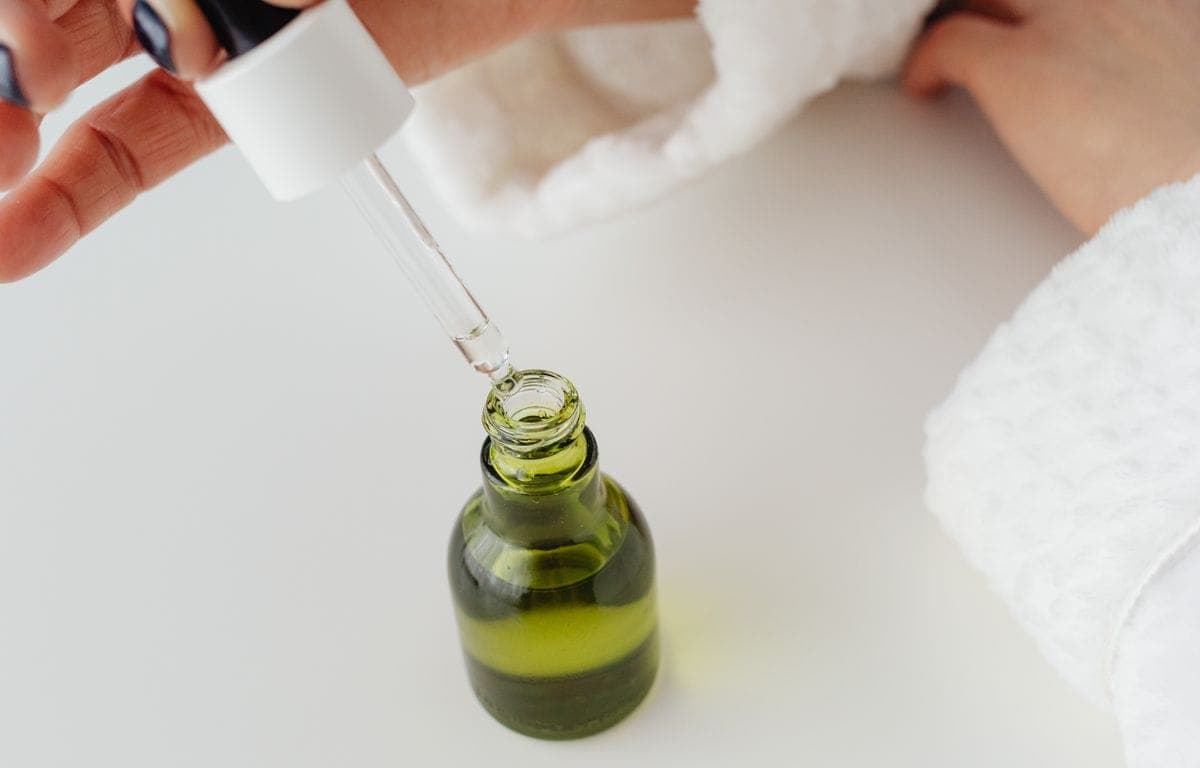
The catch, well known to researchers, is that curcumin is poorly soluble and unstable in its raw form. That's why serious formulations use refined turmeric extracts — often tetrahydrocurcumin, a colourless derivative — rather than a spoonful of kitchen powder. Same botanical family, far better behaviour on skin. Our turmeric ingredient page covers the sourcing side.
What studies suggest
Research on topical turmeric points in a few consistent directions. It has been studied for calming visible irritation and redness, for supporting a more even-looking skin tone, and for antioxidant protection against everyday environmental stress. Some work has explored its use alongside conventional acne care, on the logic that soothing inflamed follicles helps whatever else you're doing work better.
One distinction worth keeping straight: much of the most dramatic curcumin research involves swallowing it, not applying it. Oral supplementation and topical use are different conversations, and a headline about curcumin capsules tells you little about a face wash. Skin-focused studies are the smaller, quieter subset — encouraging, but narrower in scope.
What the evidence doesn't support is the miracle framing — turmeric will not erase deep pigmentation in a fortnight or substitute for sunscreen. Treat it as a steady, cumulative supporter of clarity, and judge it over months rather than mornings.
Ubtan, the original multitasker
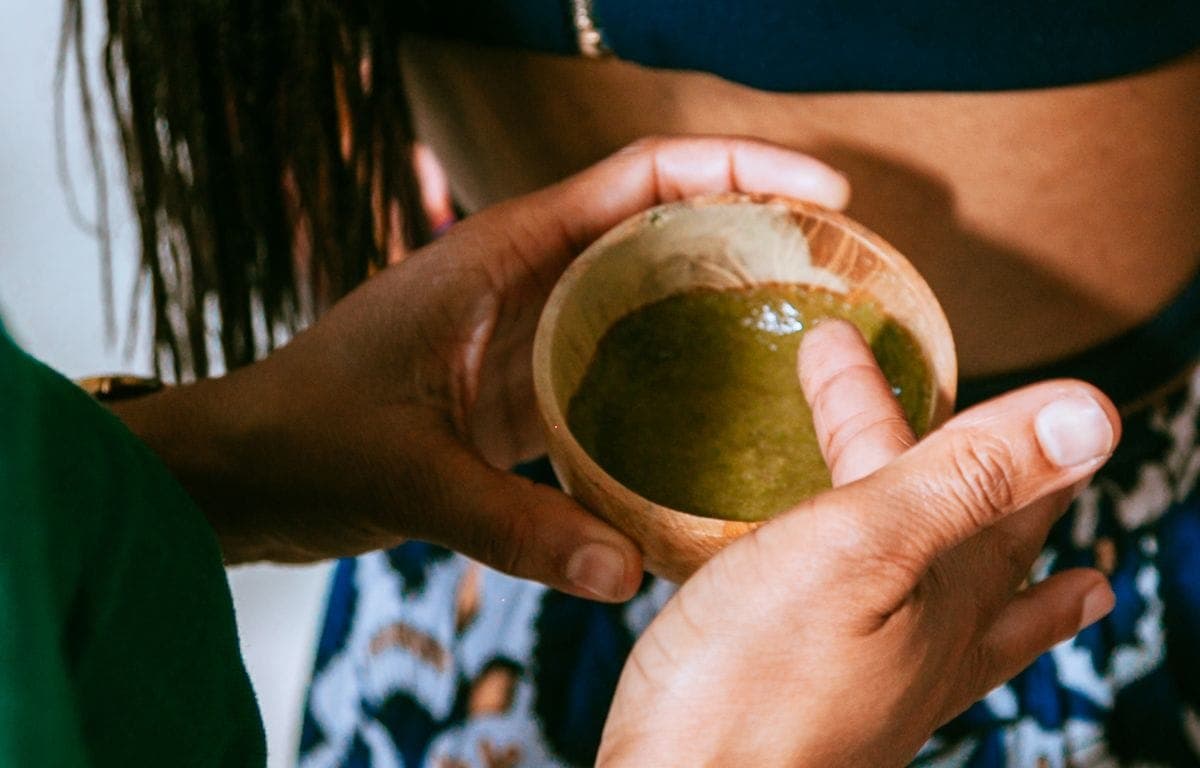
Long before "multi-step routine" was a phrase, ubtan bundled cleansing, gentle exfoliation and brightening into one bowl: turmeric for glow, besan to lift oil and grime, sandalwood to cool and scent. It worked because each part had a job — the formula logic was sound even when the chemistry vocabulary didn't exist yet.
The traditional version has drawbacks, though. Gram flour's scrubbing can be rough on inflamed skin, proportions vary by household, and kitchen haldi stains. A modern take like the turmeric-sandalwood ubtan cleanser keeps the trio's intent — cleanse, polish, brighten — in a rinse-off format with controlled particle size and no yellow towels. If glow is your wider goal, our piece on treating glow as a system puts cleansing in context with sleep, diet and actives.
Kitchen haldi versus cosmetic turmeric
The staining deserves its own paragraph, because it's the number-one complaint about DIY turmeric masks. Culinary turmeric is prized for exactly the property you don't want on your face: intense, stubborn colour. Cosmetic-grade extracts are processed to deliver the curcuminoid activity without the dye effect — which is why a well-made turmeric toner leaves no tint while a kitchen mask leaves you faintly jaundiced for a day.
DIY masks also can't control dose. A pinch too much, left on too long, and sensitive skin can come away irritated — the opposite of the calming effect you were after.
South India solved part of this long ago with kasturi manjal, or wild turmeric — a cousin species used purely on skin, prized precisely because it carries the aroma and activity with far less stain. It's a useful reminder that even within tradition, people were already selecting for skin-friendly forms. Modern extraction just finishes the job.
Pairing turmeric with modern actives
Turmeric plays well with the brightening ingredients that dominate current routines. Niacinamide supports the barrier and helps manage excess oil, vitamin C handles antioxidant defence and tone, and turmeric's anti-inflammatory lean rounds out the trio. That's the thinking inside the niacinamide and vitamin C brightening toner, which delivers all three in a daily swipe rather than a weekly ritual — one of several options in the toner range depending on your skin's priorities. Newcomers to niacinamide may want our primer on percentages and patience first.
And if the golden-glow tradition interests you beyond haldi, its royal cousin gets the same evidence-first treatment in our post on saffron in skincare.
The aunties, then, get to keep their ceremony — the instinct was right, even if the delivery has improved. Use turmeric daily in stable, refined forms, keep the raw paste for weddings, and let the glow accumulate quietly.
Resources: PubMed: Curcumin and skin, Wikipedia: Curcumin