Ingredient Science
Tea Tree Oil: Potent, Proven and Easy to Overdo
02 Jun 2026 • Neemyukt Research Team
Tea tree oil occupies an odd position in skincare. It's one of the very few essential oils with a genuine body of clinical research behind it — and, at the same time, one of the ingredients dermatologists most often see behind contact reactions. Both things are true. The distance between them comes down almost entirely to dose and formulation.
From the Australian bush to your bathroom shelf
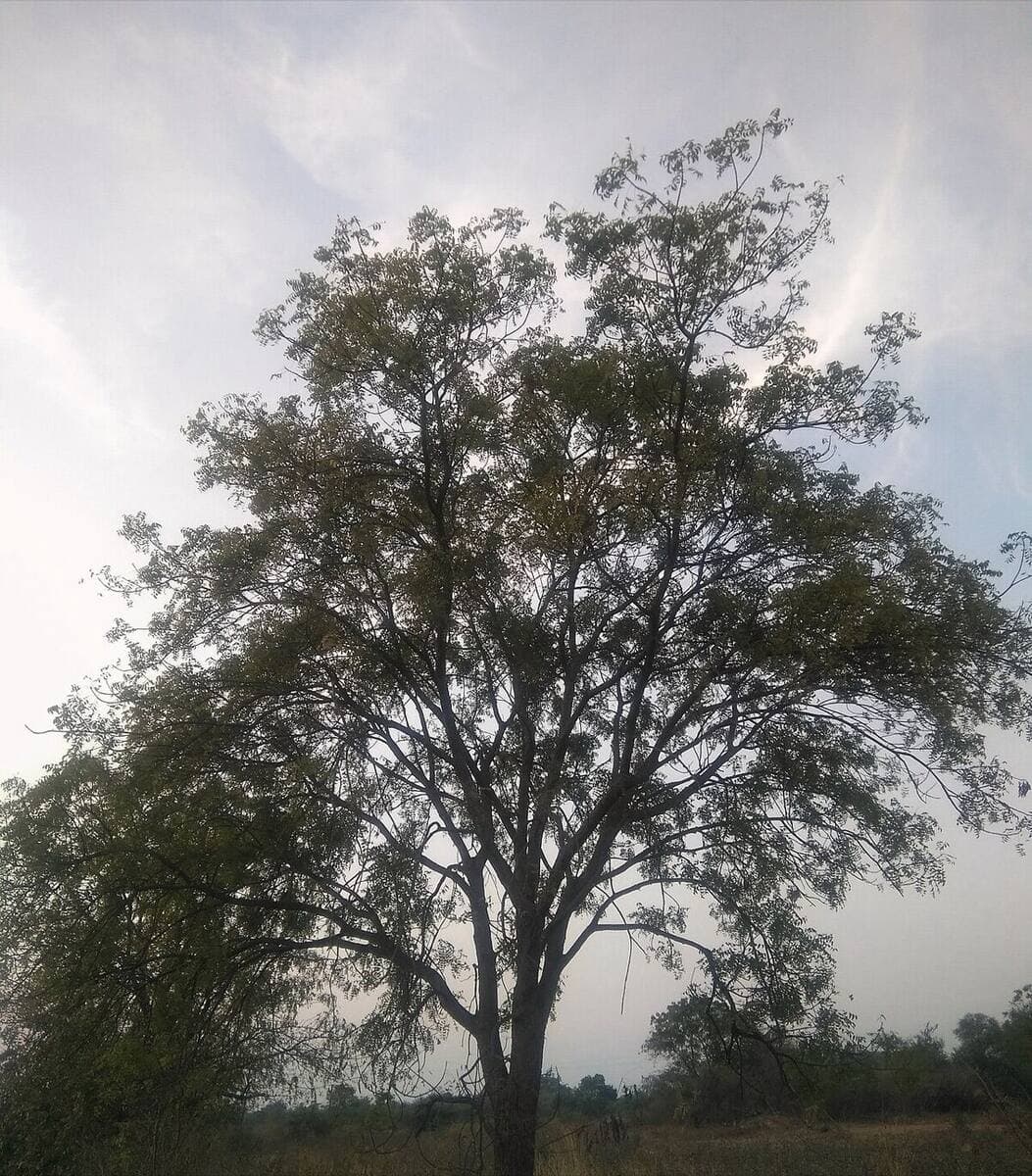
Tea tree oil is steam-distilled from the leaves of Melaleuca alternifolia, a shrubby tree native to the swampy coast of New South Wales. The Bundjalung people of that region used crushed leaves on wounds and skin complaints long before the oil was bottled, and modern analysis gives their practice a chemical footing: the oil is rich in terpinen-4-ol, the compound most credited with its antimicrobial activity.
Good-quality oil is standardised so that terpinen-4-ol stays high and cineole — a harsher, more irritating fraction — stays low. That's one reason a well-made product behaves so differently from a random bottle of "pure tea tree" bought off a market stall. You can read more on our tea tree oil ingredient page.
What the research supports
For acne, tea tree is unusually well studied among botanicals. Research comparing tea tree gel with benzoyl peroxide has suggested slower but broadly comparable improvement in mild to moderate breakouts, with participants reporting less dryness and stinging along the way. That trade — patience in exchange for gentleness — is a fair summary of the ingredient as a whole.
It has also been studied for fungal complaints: athlete's foot, fungal nail changes and the yeast overgrowth associated with dandruff. Findings are encouraging rather than conclusive, which is the phrase to hold onto with nearly all essential-oil research. Encouraging, plausible, worth using — not a replacement for prescribed antifungals when a doctor has judged you need them.
Concentration is the thread running through all of this work. Studied products typically sit around five per cent for acne, sometimes higher for feet and nails where skin is thicker. Cosmetic leave-ons generally use far less, and rinse-off products less still — deliberately so, because the goal in daily care is steady, tolerable support rather than a therapeutic wallop.
Three jobs it does well
Facial breakouts
In a rinse-off format, tea tree gives you purifying support with minimal irritation risk. The tea tree cleanser for oily skin pairs it with neem, an ingredient with a similar purifying story from a different continent — the overlap is striking, and we've covered neem's own acne evidence separately.
Back, chest and post-gym skin
Sweat trapped under gym wear and backpack straps is a reliable recipe for body breakouts, particularly through an Indian summer. A clarifying glycerin bar in the shower covers ground a face routine never reaches; there are more options in the soap bar range if you rotate.
Feet
Feet spend Indian monsoons in damp socks and the rest of the year in dust, so it's no surprise tea tree's antifungal reputation gets tested there most. A urea foot cream with tea tree handles softening and everyday hygiene support in one step — and if your heels have already split, our two-week cracked heel plan goes deeper.
How people overdo it
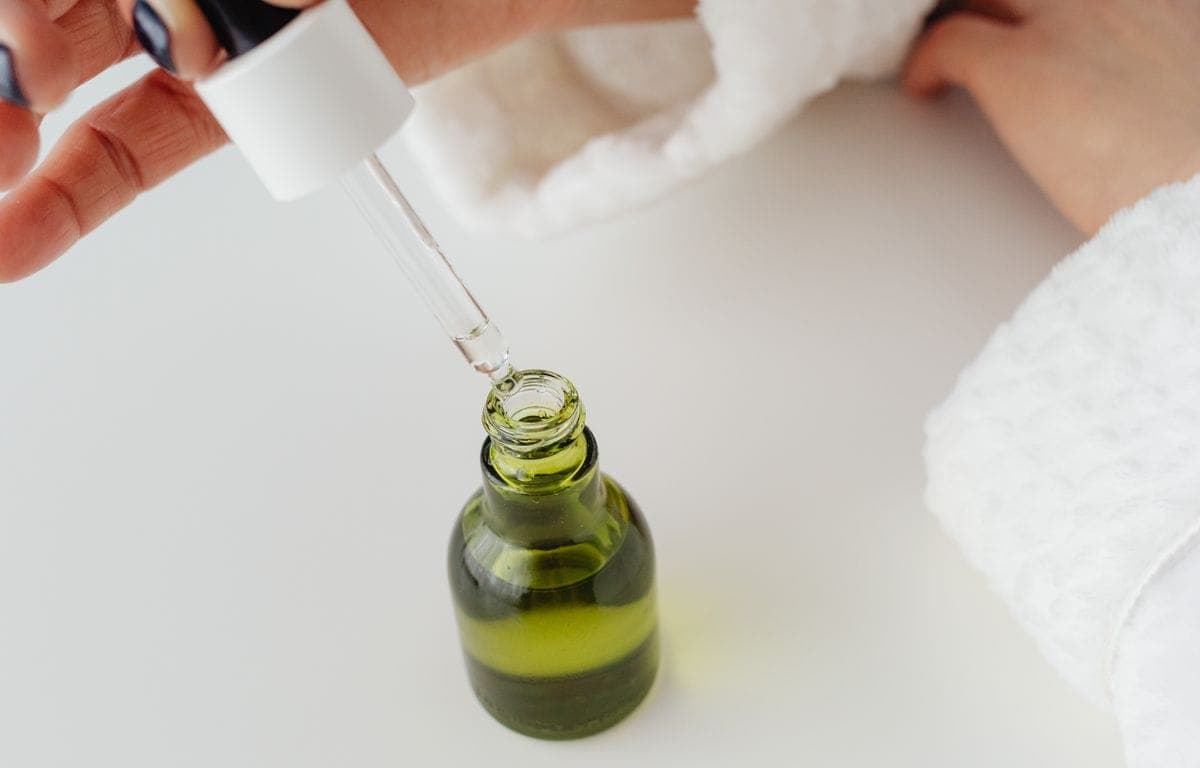
The classic mistake is dabbing neat oil straight onto a pimple. Undiluted tea tree is a strong sensitiser: it may not sting the first time, or the fifth, but repeated neat exposure teaches some immune systems to treat it as a threat, and once contact allergy develops, it's permanent.
Oxidation makes this worse. Tea tree oil degrades with air and light, and the oxidised breakdown products are considerably more allergenic than the fresh oil. That half-used bottle sitting open on a sunny shelf for a year is a different substance from what you bought. Indian summers accelerate the process — a bathroom shelf that hits 35 degrees by afternoon is about the worst storage an essential oil can get. If you must keep a bottle, keep it capped tight, dark and cool, and replace it once the sharp medicinal scent turns flat or turpentine-like.
The third error is stacking — tea tree face wash, tea tree toner, tea tree spot gel, tea tree sheet mask, all in one evening. Totals matter with essential oils. Pick one or two leave-on or rinse-off products and let the rest of the routine be bland. If your skin is reactive by nature, run through our sensitive-skin ingredient checklist before adding any essential oil at all.
A note on safety
Tea tree oil is for skin only — it is well documented as toxic if swallowed, so keep it away from children and pets. Patch test any new tea tree product on the inner forearm for a day or two before using it on your face. And if a patch of skin trouble persists or spreads despite sensible care, that's a doctor's job, not an essential oil's.
Used the way formulators intend — diluted, stabilised, in products designed around it — tea tree is one of the most useful naturals in the cabinet. Used like hot sauce, straight from the bottle, it will eventually bite back. Respect the dose and it rarely disappoints.
Resources: PubMed: Melaleuca alternifolia and skin, Wikipedia: Tea tree oil