Body & Bath
Cracked Heels: Causes, the Urea Fix, a Two-Week Plan
01 Jul 2026 • Neemyukt Research Team
Heel skin is the thickest skin on your body, and it contains no oil glands at all. Nothing lubricates it from within. While your face quietly manages its own moisture, your heels depend entirely on what you put on them — and most of us put on nothing until the cracks appear.
Fissured heels look dramatic, but in most cases they're a maintenance problem rather than a medical one. Give them two weeks of honest attention and they respond. This guide covers why heels crack, why urea is the one ingredient worth knowing, and a day-by-day plan you can start tonight.
Why heels crack in the first place
Every step squeezes the fat pad of the heel outward. Supple skin flexes with that pressure. Dry, callused skin can't — it splits instead, the way old rubber does.
Plenty of everyday habits speed this along. Open-backed chappals and sandals leave the heel unsupported and exposed to dust and dry air for most of the Indian year. Long hours of standing add load. Hot bucket baths strip what little lipid the area has, and hard water leaves skin feeling rougher still. Age matters too: the skin's natural moisturising factor declines over the years, so heels that behaved themselves at twenty-five may start cracking at forty.
Notice the pattern — dryness plus pressure. Any remedy has to address both, which is exactly where quick fixes fail. Scraping alone removes callus but leaves the skin parched. Cream alone hydrates the surface but can't get through a thick wall of hardened keratin.
Urea, explained without the chemistry lecture
Urea sounds industrial, but your skin already makes it. It's a natural component of the skin's own moisturising system, which is precisely why dermatologists rate it so highly for feet.
It does two jobs. As a humectant, it draws water into the outer layer of skin and holds it there. It also has a keratolytic action, meaning it gradually softens and loosens hard, dead keratin, so thickened callus becomes flexible again rather than brittle. Higher concentrations lean further into that softening effect; lower ones — around five per cent — stay gentle enough for daily use while still doing both jobs.
That dual action is what a cracked heel needs: hydration for the dryness, softening for the callus. A urea-based foot cream pairing five per cent urea with neem and tea tree adds a third benefit, because cracked skin is an open door for microbes and tea tree oil has a long record as a natural purifying botanical.
The two-week repair plan
Consistency beats intensity here. Ten minutes a night, every night. Here's the schedule.
Week one: soften and seal
Each evening, soak your feet in comfortably warm — not hot — water for ten minutes. Plain water is fine; add a spoon of salt if you like. While the skin is soft, rub the heels gently with a pumice stone or foot file. You're smoothing, not sculpting. Stop well before it stings, and never use a razor or blade.
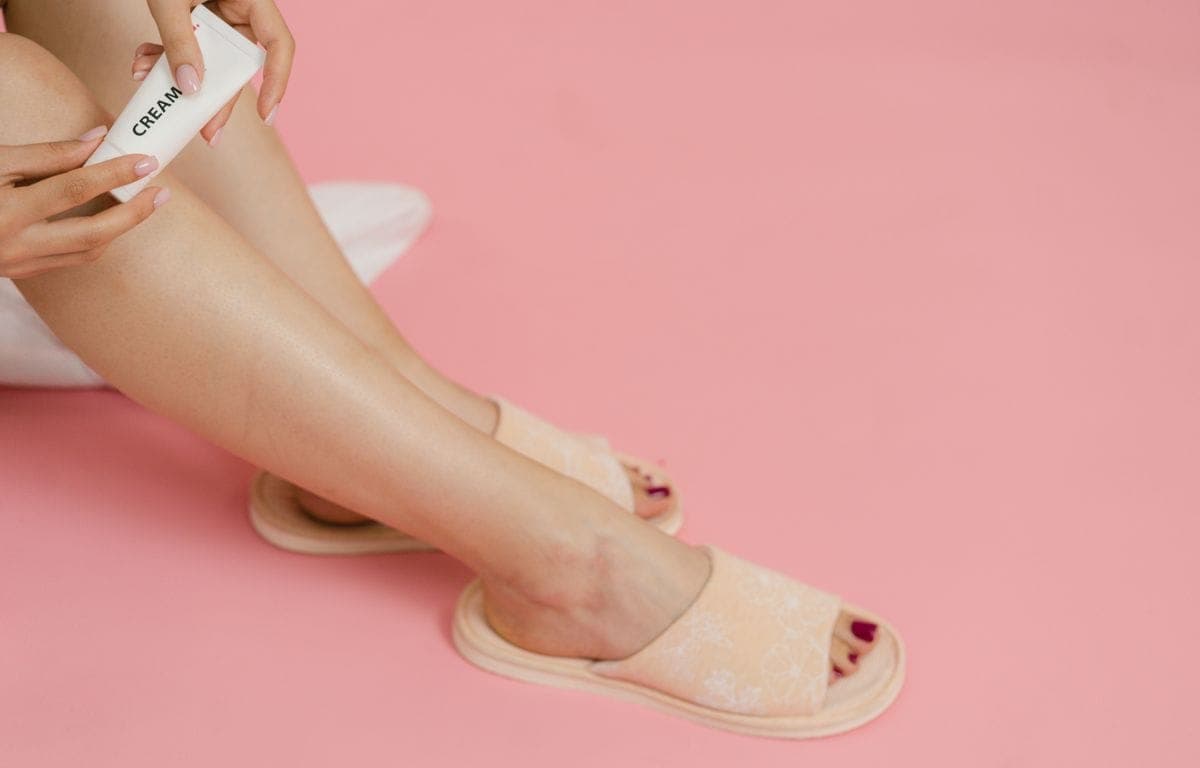
Pat dry, apply a thick layer of foot cream over the heels, and pull on clean cotton socks. The socks matter more than they seem: they hold the cream against the skin overnight instead of letting it rub off on your bedsheet. Seven nights of this and shallow cracks usually begin to close visibly.
Week two: rebuild and maintain
Drop the soaks to twice this week — Monday and Thursday, say — because daily soaking eventually works against you by leaching moisture out of the skin. Keep the nightly cream-and-socks routine going without a break, and add a thin morning application on days you'll be on your feet a lot.
Once during the week, exfoliate in the shower with something gritty; a coffee body scrub worked over damp heels does the job and smells considerably better than a foot file. By day fourteen the skin should feel level and flexible, with the deeper lines fading.
Habits that quietly undo the work
Cutting callus with a blade tops the list — it invites infection, and the skin often grows back thicker in defence. Very hot bathing water comes next. Walking barefoot on stone or tile floors, so common in Indian homes, presses and dries the heel simultaneously; a pair of indoor slippers helps more than any cream.
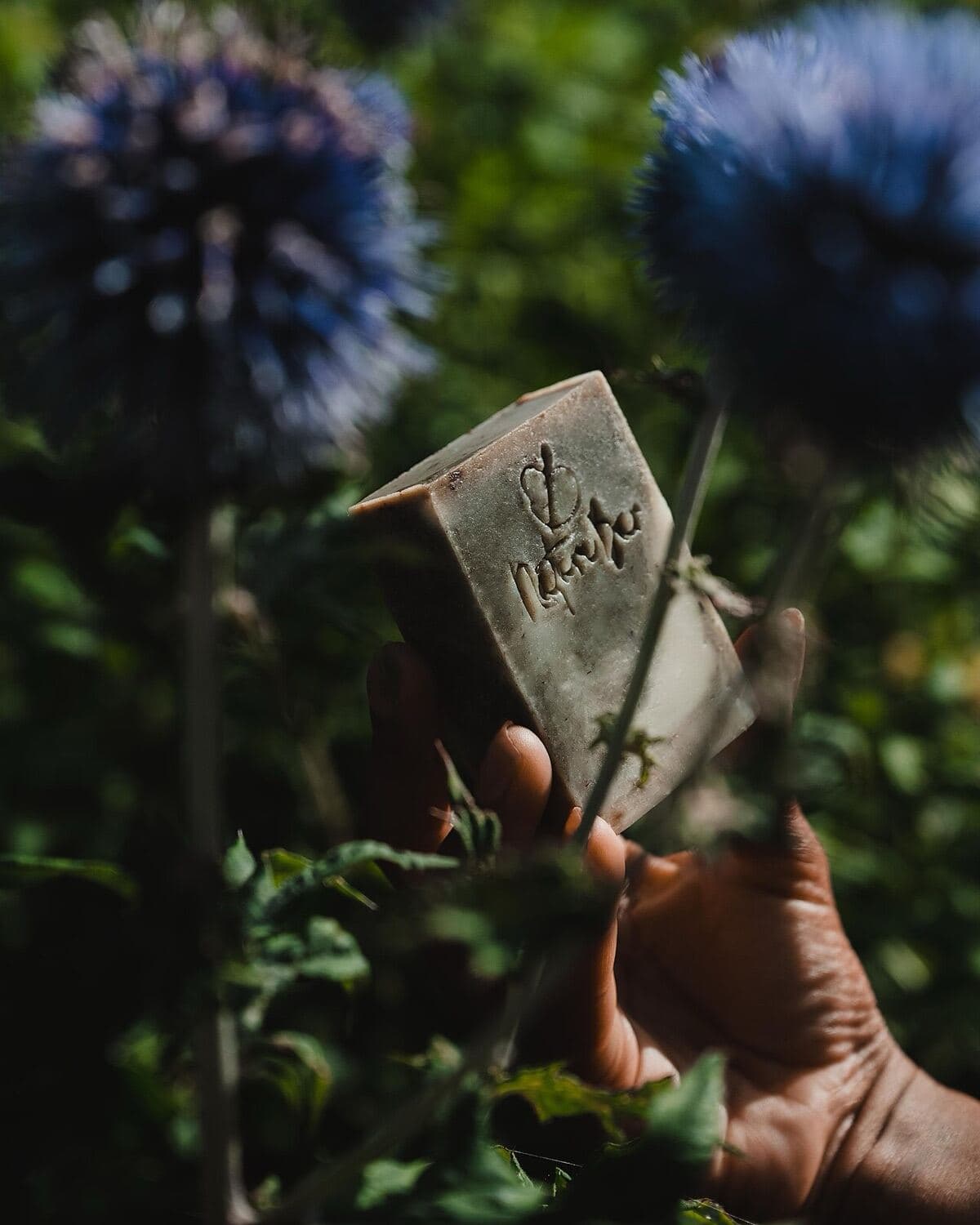
And don't downgrade to your regular body lotion once things improve. A lightweight everyday lotion is built for shins and arms, not for skin many times thicker. Heels deserve their own tube on the shelf — the foot care range is a small category for a reason: one good product, used nightly, is the whole game.
Treat it the way you'd treat any body care routine. The habit is the treatment.
When it's more than dryness
See a doctor if the fissures bleed, hurt when you walk, or show redness and swelling around them — those need medical attention, not more cream. The same applies if you have diabetes, where foot skin should always be assessed professionally, or if the cracking arrives with itching and peeling between the toes, which can point to a fungal infection. A two-week plan supports ordinary dry skin; it isn't a treatment for anything infected or inflamed.
Tonight, then: a warm soak, a gentle pass with the pumice, cream, socks. That's the entire first step. Repeat it fourteen times and your heels will tell you it was worth the bother.