Body & Bath
Neem, tea tree, charcoal or turmeric: choosing a cleansing bar
05 Oct 2026 • Neemyukt Research Team
Walk down any soap aisle in India and four hero ingredients keep turning up on the wrapper: neem, tea tree, charcoal and turmeric. Each comes with its own promise, from a clearer back in the monsoon to a brighter complexion before a wedding. The honest picture is more modest, and more useful, than the packaging suggests.
A soap bar sits on your skin for well under a minute before it is rinsed away. That short contact time shapes what any added ingredient can realistically do, and it means the soap base underneath often matters as much as the name on the front.
In short: Choose by skin type and tolerance, not by the loudest claim. Neem and tea tree bars suit oily, sweaty or body-acne-prone skin if they don't irritate you; charcoal is mostly a texture and feel choice for oily skin; turmeric bars are a traditional comfort pick that can stain and rarely do more than a gentle base would. Whatever you pick, a mild, glycerin-rich base decides whether your skin feels comfortable afterwards.
Why the base matters before the hero ingredient
Every bar is mostly soap: oils or fats reacted with an alkali, plus whatever the maker adds. How much glycerin stays in, how much free oil is left over, and whether synthetic detergents are blended in all decide how tight your skin feels after a bath. A neem bar on a harsh base can leave you drier than a plain bar on a gentle one. If tightness is your main complaint, start with why some soaps dry you out and others don't before switching hero ingredients.
Hard water adds another layer. Calcium and magnesium react with soap to form a dull film on skin and on the bathroom tiles, which is why the same bar can feel different from one city, or even one building, to the next. A rinse with plenty of water helps whichever bar you choose.
What each ingredient brings to a bar
Neem
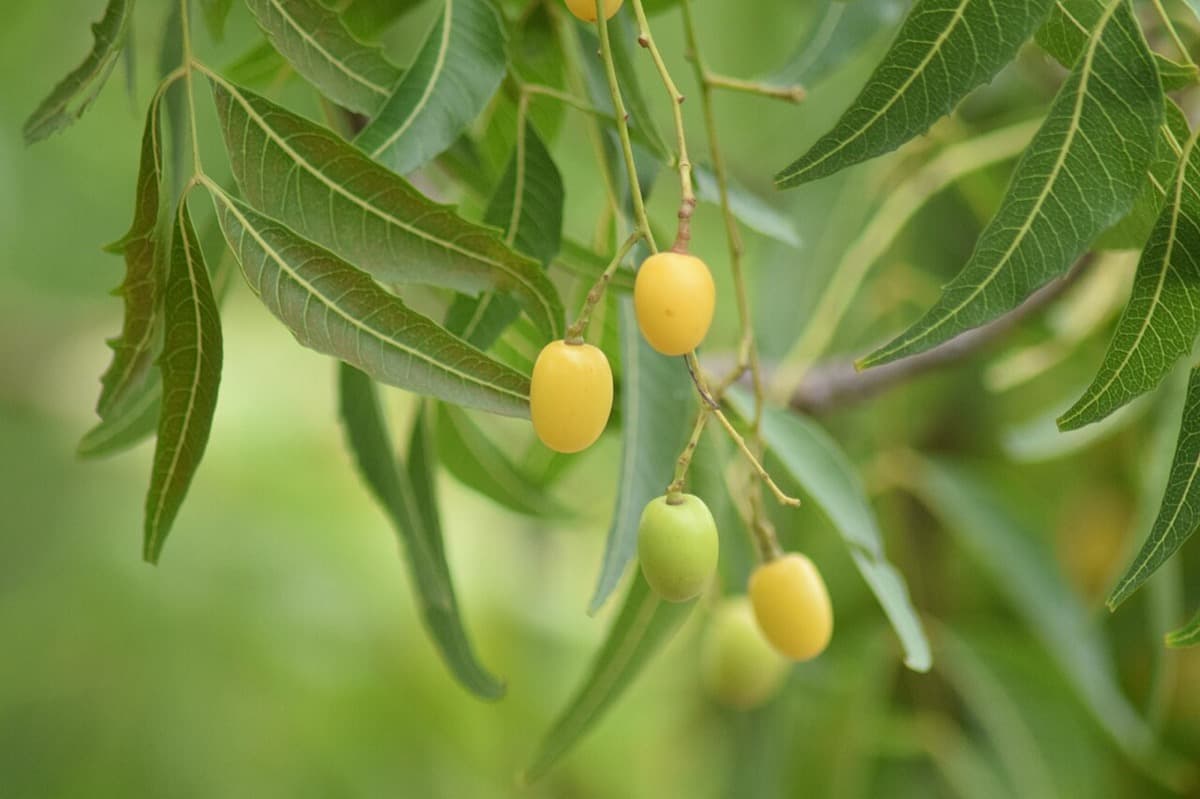
Neem leaf and neem seed oil have a long place in Indian bathing traditions, and neem extracts have been studied in laboratory settings for their effect on skin-related microbes. Lab results don't translate neatly to a bar you rinse off in seconds, but many people with oily skin or sweat-prone backs find a neem bar feels clarifying and fresh. The strong, bitter smell is a real drawback for some. A combination bar such as the neem aloe vera glycerin soap bar pairs that purifying feel with a glycerin base, which is a sensible choice for everyday body washing in humid months.
Tea tree
Tea tree oil is one of the better-researched plant ingredients for blemish-prone skin, though most of that work involves leave-on gels rather than soaps. It is also a known cause of skin reactions, especially when the oil is old and oxidised. Our longer piece on tea tree oil for skin covers the evidence and the overuse trap. In a rinse-off bar the dose is lower and contact is brief, which likely reduces both the upside and the risk, though people already sensitised to tea tree can still react.
Charcoal
Activated charcoal is porous and grabs substances in a water filter, which is where the "draws out impurities" idea comes from. On skin, during a brief lather, there is little evidence it does much beyond what the soap itself does. What it does offer is a pleasant, slightly gritty or dense feel that people with oily skin often enjoy. It can leave grey marks on towels and grout.
Turmeric
Turmeric belongs to the ubtan tradition, and curcumin has been studied for its effects on inflammation, mostly in forms and doses very different from a soap bar. For the fuller story, see turmeric for skin: ubtan meets evidence. In a bar, expect a warm colour, a familiar scent and the possibility of yellow stains on light towels and nails. Be wary of any turmeric soap sold on a promise of changing your skin tone.
Side by side: which bar for which situation?
| Ingredient | What it can realistically offer in a bar | Watch out for | Often suits |
|---|---|---|---|
| Neem | A clarifying, fresh feel; traditional use for sweaty skin | Strong smell; occasional sensitivity | Oily or sweat-prone body skin, monsoon months |
| Tea tree | A light purifying feel; a well-studied plant ingredient | Allergic reactions, especially to oxidised oil | Oily skin, body breakouts, if patch-tested first |
| Charcoal | A dense lather and a "deep clean" sensation | Little skin-specific evidence; can mark towels | Oily skin that likes a squeaky feel |
| Turmeric | Warm colour, familiar scent, tradition | Staining; overblown tone claims | Normal skin, people who enjoy ubtan rituals |
Who should be careful with scented or active bars?
If your skin is dry, sensitive or eczema-prone, the added plant oils and fragrance in a hero-ingredient bar can matter more than any benefit. Essential oils and fragrances are common triggers of contact dermatitis, a red, itchy rash where a product touched the skin, as MedlinePlus explains. Try a new bar on a small patch of your inner arm for a few days before using it all over.
Persistent itching, a spreading rash, ring-shaped patches or acne that doesn't settle after several weeks are not soap problems. Ring-shaped, itchy patches in skin folds, common in Indian humidity, may be a fungal infection that needs antifungal treatment from a dermatologist, and no bar will fix that on its own.
Can you combine them?
Many bars already do, and it's reasonable to keep two in the bathroom: a purifying bar for the back, chest and underarms after a sweaty day, and a milder one for dry shins and arms. A neem tea tree glycerin soap bar is one option for the first job, provided the tea tree doesn't irritate you. For the face, a bar is fine for some skin types, but a dedicated face wash with a gentler formula is often easier on the skin barrier.
Frequently asked questions
Is a charcoal soap better than a neem soap for oily skin?
Not in any clearly proven way. Both can feel clarifying. Choose the one whose feel and smell you like and that doesn't leave your skin tight.
Will a turmeric soap lighten my skin?
A rinse-off bar is unlikely to change skin tone. Uneven pigmentation responds better to daily sunscreen and, for stubborn patches, advice from a dermatologist.
Can I use a tea tree bar every day?
Many people can, once a patch test shows no reaction. Stop if you notice stinging, redness or flaking.
Which bar is best for body odour in summer?
Neem or tea tree bars on sweat-prone areas are common picks, but thorough drying, breathable cotton and a regular routine matter as much as the ingredient.