Ingredient Science
Hyaluronic acid in dry Indian air: a warning
04 Oct 2026 • Neemyukt Research Team
Hyaluronic acid serums are sold as the answer to dry skin, and during a sticky coastal monsoon they often feel like it. Then winter reaches Delhi, or you spend a full day in an air-conditioned office, and the same serum can leave your face feeling tight within the hour. A warning now circulates widely online: in dry air, hyaluronic acid pulls water out of your skin instead of into it. Is that true, and should you stop using it?
In short: The idea is plausible in theory, but it has not been well proven on real human skin, and there is little direct evidence that a hyaluronic acid serum leaves skin drier in low humidity. What is well established is that humectants work best on damp skin and under a moisturiser that slows evaporation. In dry Indian weather, treat hyaluronic acid as one step in a routine rather than a routine on its own.
What does hyaluronic acid actually do on skin?
Hyaluronic acid is a sugar-based molecule your body already makes. It sits naturally in skin, joints and the eyes, where it helps hold water in place. In skincare it works as a humectant, meaning it attracts water and keeps it close.
You will often see the line that it holds up to a thousand times its weight in water. That figure comes from laboratory chemistry and is repeated heavily in marketing, but it does not describe what happens on your face, where the amount applied is tiny and the surrounding conditions change constantly. Molecular size also matters. Larger forms mostly stay on the surface as a light film, while smaller fragments can travel a little further into the outer layer. Many serums blend several sizes.
If you want the general picture of how humectants behave, including the older and cheaper one found in most moisturisers, the post on glycerin, the humectant hiding in almost everything covers it. The same principles apply here.
Where the "pulls water out of your skin" warning comes from
The reasoning is simple physics. A humectant draws water from wherever water is most available. In humid air, some of that can come from the atmosphere. In very dry air, the nearest source is the skin itself, because the deeper layers of the epidermis hold more water than the outermost layer. If a humectant on the surface pulls that water upward and it then evaporates into dry air, the net effect could be more water lost, not less.
What the evidence actually shows
This argument is sensible, but it is mostly inference. There is little published research that directly tests a hyaluronic acid serum on people in low humidity and shows it increases water loss compared with using nothing. Studies of topical hyaluronic acid generally report improved hydration, though many are run in controlled rooms at moderate humidity and test complete formulations rather than hyaluronic acid alone. The honest position is that the warning is unproven, not debunked.
The tight feeling many people describe is real, but it can have other causes: alcohol in the serum, a stripping cleanser used just before it, or simply skipping moisturiser afterwards. If your face feels tight straight after washing, before any serum goes on, read why your cleanser leaves your skin tight and dry first.
When is Indian air dry enough to matter?
Much of coastal India is humid for most of the year, so this is not a nationwide concern. It matters more in north Indian winters, across the semi-arid belts of Rajasthan and Gujarat, on the Deccan plateau in the dry months before the monsoon, and in hill stations during winter. Indoors, air conditioning, room heaters and long flights all dry the air, wherever you live. MedlinePlus, the US National Library of Medicine's health resource, lists cold weather, low humidity and indoor heating among the common causes of dry skin.
| Setting | How a humectant likely behaves | Practical adjustment |
|---|---|---|
| Humid monsoon or coastal city | Plenty of moisture around; little risk of net loss | Serum plus a light gel is usually enough |
| Dry north Indian winter | More likely to rely on water from your own skin | Apply to damp skin and seal with a cream |
| Air-conditioned office all day | Steady evaporation for hours | Seal well in the morning; top up moisturiser, not serum |
| Desert travel or long flights | Very dry air on both sides of the skin | Use a richer cream; skip the serum if it stings |
How to use hyaluronic acid in dry weather
Give it water that is not coming from your skin. Apply the serum within a minute or two of washing, while your face is still damp. A watery toner, such as the Neem Rose Toner, can also act as that damp base.
Then seal it in. A humectant needs an emollient or occlusive layer on top to slow evaporation. In dry months, a cream moisturiser like the Neem Shea Cream Moisturiser is a supportive choice, because plant butters such as shea help slow evaporation. In humid months, a lighter option like the Neem Aloe Gel Moisturiser may be all you need.
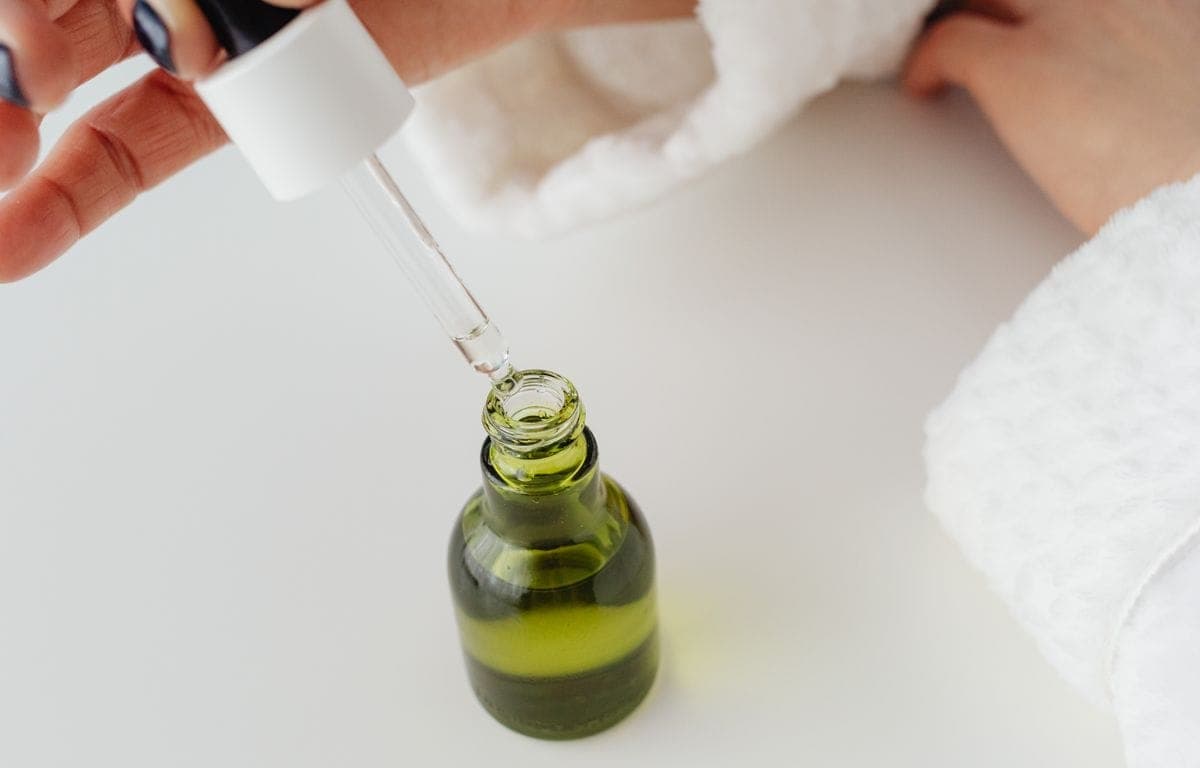
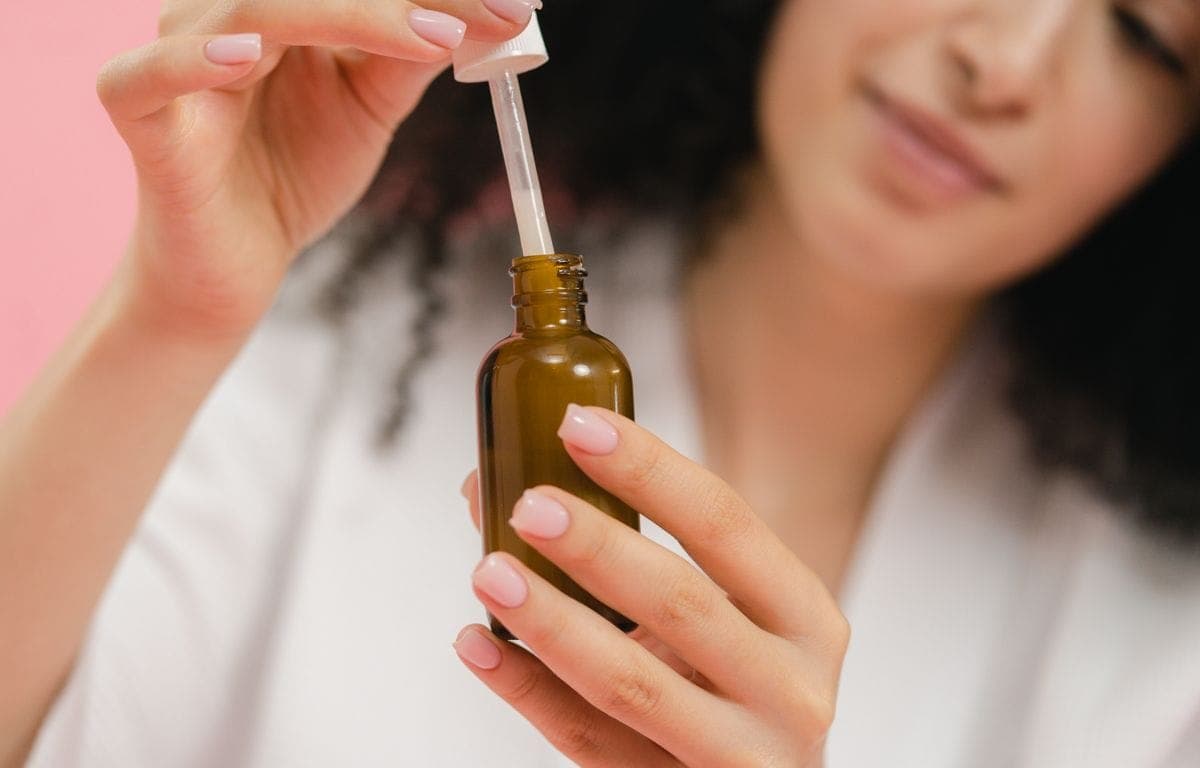
A few other habits help. Use a few drops rather than a thick layer. Avoid stacking several humectant products with nothing richer on top. Check whether alcohol appears near the start of your serum's ingredient list, and if your skin is sensitive, choose one without it.
Should you stop using hyaluronic acid?
Not necessarily. If your skin feels comfortable, there is no reason to stop. If it feels tight, flaky or stings, change the method first: damp skin, fewer drops, a proper cream on top. If that still does not help, pause the serum for a week or two and see whether your skin settles. For a fuller cold-season plan, the guide to winter skincare for dry Indian skin takes a barrier-first approach.
Persistent rough patches, cracking, intense itching or redness are not a serum problem. They can signal eczema or another skin condition, and a dermatologist is the right next step rather than another round of product swaps.
Frequently asked questions
Is hyaluronic acid bad for dry skin?
No. Dry skin often benefits from it, provided it goes on damp skin and is sealed with a moisturiser. Used alone in very dry air, it may do less than you expect, so seal it with a cream.
Can I use hyaluronic acid in an Indian summer?
Yes. Humid summers and monsoons are when it tends to feel best, often with just a light gel on top. Dry pre-monsoon heat inland behaves more like winter, so seal it then.
Is glycerin better than hyaluronic acid in dry weather?
Both are humectants and face the same theoretical issue in dry air. Glycerin is well studied and inexpensive, and many moisturisers already contain it. Whichever you use, the sealing step matters more than the choice between them.
Does a humidifier help?
It can. Adding moisture to the air in a heated or air-conditioned bedroom reduces how quickly skin loses water overnight. Keep it clean and avoid making the room damp enough for mould.