Ingredient Science
Hibiscus for Hair: The Flower That Conditions
23 Jun 2026 • Neemyukt Research Team
Walk past an older house in Kerala or coastal Karnataka and you'll usually find a hibiscus shrub by the gate — glossy leaves, flowers a red that no dye quite matches, and half the blooms suspiciously missing. Someone's grandmother has been picking them. Not for the pooja shelf. For her hair.
Hibiscus — Hibiscus rosa-sinensis, the japa or gudhal flower — has anchored South Indian hair care for generations, and it holds up better than most traditional ingredients once you look at what's actually inside the petals. This is what the flower does, why it conditions, and how to get the benefit without grinding paste at six in the morning.
What's inside the petals
Crush a hibiscus leaf or flower with a little water and you'll feel the answer straight away: a slippery, almost gel-like texture between your fingers. That slip is mucilage — long-chain plant polysaccharides that swell in water and form a smooth, cushioning film. It's the same class of substance that makes soaked flaxseeds gooey and aloe pulp slick.
The petals also carry anthocyanins, the pigments behind that saturated red, along with mild plant acids. Crushed hibiscus leaves even froth faintly when rubbed in water, which is why they doubled as a gentle cleanser in households that had never seen a shampoo bottle. We've covered the plant in more depth on our hibiscus ingredient page, but for hair, mucilage is the part that earns its keep.
The conditioning effect, explained
Modern conditioners work largely by deposition: conditioning agents cling to the hair shaft and smooth down the cuticle, so strands feel soft and slide past one another instead of tangling. Hibiscus mucilage performs a humbler version of the same job. It lays down a light, water-loving film that reduces friction between strands, makes wet detangling far less violent, and leaves hair supple rather than coated.
Less friction matters more than it sounds. A great deal of everyday hair damage isn't chemical at all — it's mechanical, from combs dragged through knots and towels rubbed over wet hair like you're polishing brass. Every strand is a keratin fibre that weakens when wet, so anything that improves slip during detangling directly reduces breakage. And reduced breakage is most of what people actually mean when they say their hair "started growing faster".
One honest caveat. Hibiscus won't repair split ends; nothing applied to hair can rejoin a split fibre. What it can do is help you stop creating new ones.
How tradition used it
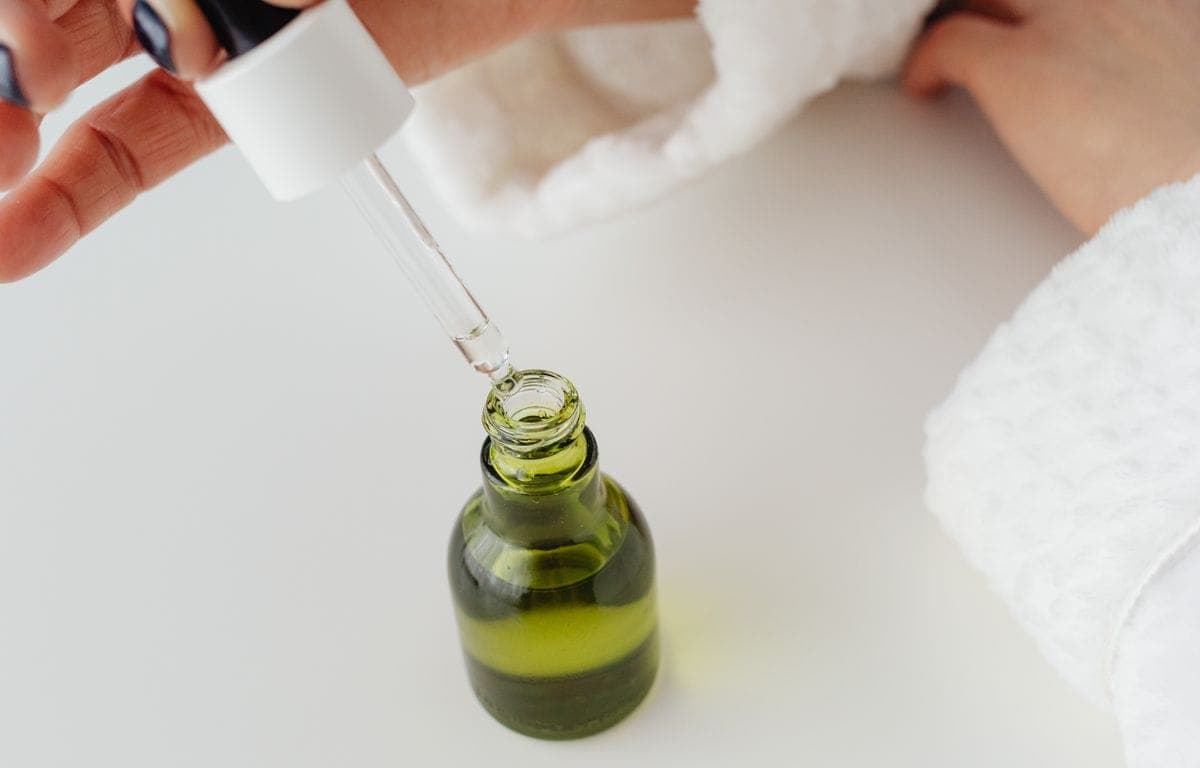
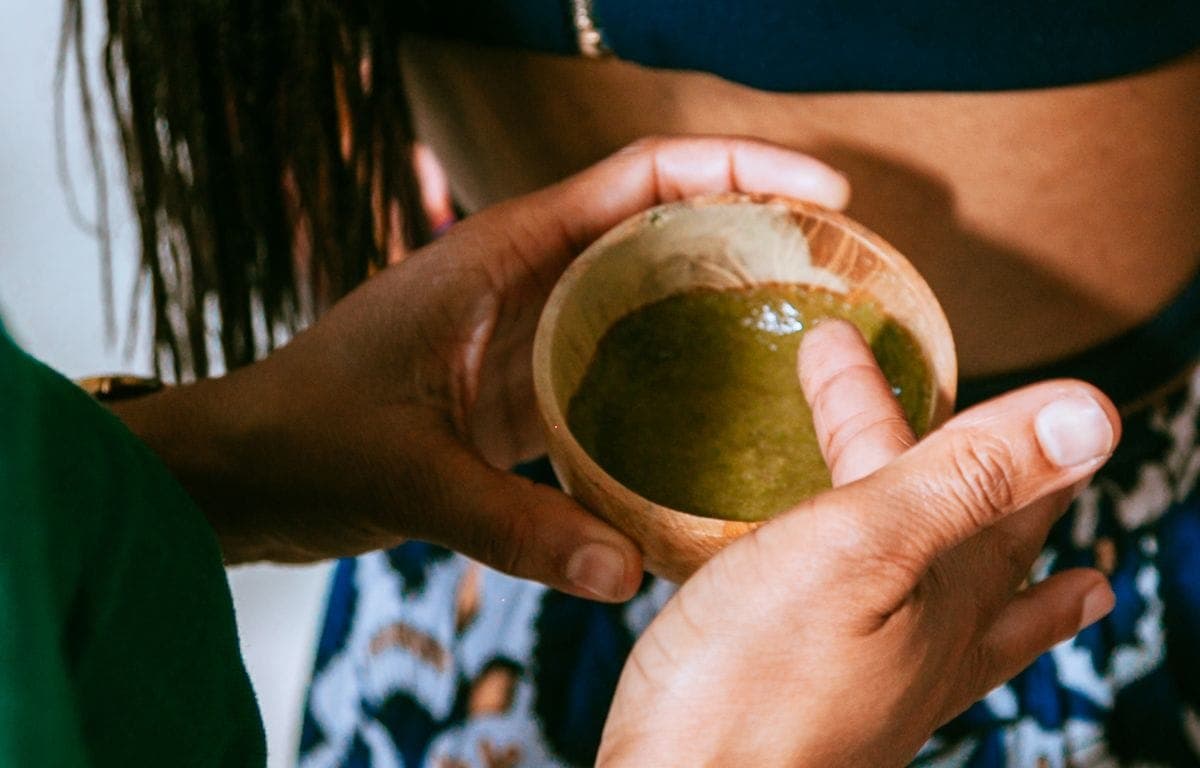
The classic method along the Malabar and Konkan coasts was a paste: flowers and young leaves ground with a little water, worked through pre-oiled hair, left for twenty minutes, then rinsed. Other households simmered the petals in coconut oil until the oil turned a deep ruby, then used it for the Sunday champi — an approach that made the ritual smell faintly of flowers for the rest of the day.
Tradition also credits hibiscus with delaying premature greying. Treat that claim gently: pigment loss is driven mostly by genetics and age, and no flower has been shown to reverse it. The conditioning, though, isn't folklore. You can feel it in a single use.
Where it fits on a modern wash day
You have three realistic options, in increasing order of convenience. The first is the traditional paste — effective, inexpensive if you have the shrub, and genuinely messy. The second is a hibiscus-infused oil before washing, which is pleasant but surrenders much of its film to the rinse. The third is letting a formulator do the extraction for you: a detangling conditioner built around aloe and hibiscus delivers the mucilage slip exactly where hair needs it — on wet, freshly washed lengths, at the moment you're about to reach for a comb.
Whichever route you take, apply conditioner from mid-length to ends rather than the scalp, and give it a full two minutes before rinsing. Rushing that step is one of the conditioner mistakes that quietly costs people softer hair.
Pairing it with the rest of your routine
Hibiscus rarely worked alone in traditional recipes, and it shouldn't in yours. It sits naturally alongside bhringraj and amla, the other two pillars of the classical Indian hair kit. A sensible weekly rhythm looks like this: a pre-wash oil with bhringraj, amla and brahmi massaged in an hour before bathing, a sulphate-free shampoo that cleans without stripping, and a hibiscus conditioner to close the cuticle and set up an easy detangle.
That's it. No fourteen-step programme, no exotic imports — just slip where you need it and gentleness where you don't. If you're building out the rest of your shelf, our conditioner range and wider hair-care line-up follow the same logic.
The grandmothers by those Kerala gates didn't know the word polysaccharide. They just knew that the red flower made the comb kinder. On this one, the chemistry simply caught up with them.