Hair Care Guides
Champi, Done Right: Hair Oiling Without the Grease Trap
21 Jun 2026 • Neemyukt Research Team
Somewhere between our grandmothers' Sunday champi and the modern seven-step routine, hair oiling got a bad name. Dermatologists on Instagram warn against it, aunties swear by it, and most of us end up doing it wrong in both directions — either abandoning a genuinely useful practice, or drowning the scalp in half a cup of oil on Saturday night and wondering why Monday brings pimples along the hairline.
The truth sits comfortably in the middle. Oiling works. It just works on its own terms, and those terms are stricter than nostalgia suggests.
What oiling genuinely does — and what it can't
Oil applied before a wash does two proven things. It reduces hygral fatigue — the swelling and contracting of the hair shaft as it absorbs and loses water, which weakens the fibre over time. Coconut and similar penetrating oils are particularly good at limiting how much water the shaft soaks up. Second, a film of oil cushions hair against the friction of shampooing, combing and towelling, which means less breakage on wash day.
The massage itself earns its keep separately: a few minutes of firm fingertip work boosts blood circulation to the follicles and, frankly, feels wonderful. That relaxation isn't a side benefit — stress sits high on the list of shedding triggers.
What oil cannot do is "feed the roots" from outside, reverse genetic hair loss, or repair split ends. A split end is a fibre that has already fractured; oil can smooth its appearance for an evening, and nothing more. Keeping those expectations honest is what separates a useful ritual from an expensive one.
The grease trap: where most people go wrong
Five mistakes account for nearly all oiling complaints.
- Too much oil. If it's dripping down your neck, you've used three times what you need — and you'll need three rounds of shampoo to remove it, undoing every benefit.
- Leaving it overnight, every time. Twelve hours of oil on the scalp softens the skin excessively, traps dust, and can feed the malassezia yeast behind dandruff. If your scalp is even slightly flake-prone, overnight oiling usually makes it worse.
- Oiling a dirty scalp. Massaging oil over three days of sweat and pollution just grinds the grime in deeper.
- Aggressive rubbing. Vigorous, nail-driven scrubbing tugs hair at the root when it's coated and slippery. Champi means rhythm and pressure, not friction.
- Tying oiled hair tightly. Oiled strands are more elastic and pull-prone; a tight bun on oiled hair is a breakage machine.
How to do it, start to finish
Begin with dry, detangled hair — a wide-toothed comb through the lengths saves you from working knots into a slick mess later. Warm two to four teaspoons of oil (yes, teaspoons) by standing the bottle in a bowl of hot water for a few minutes; warm oil spreads further, so you use less.
Part the hair section by section and apply oil to the scalp with fingertips, not palms. Then massage for five to ten minutes: small circular movements with the pads of your fingers, moving the scalp over the skull rather than rubbing the hair against it. Whatever remains on your hands goes over the mid-lengths and ends, which need protection far more than they need saturation.
Leave it on for thirty minutes to two hours. That window captures nearly all the benefit; beyond it you're collecting dust, not nutrition. Then wash with a cleanser — a amla shampoo for weakened hair handles a sensible quantity of oil in one or two passes. If you routinely need a third shampoo, revisit your quantity, not your shampoo.
Which oil for which head
For thinning, shedding-prone hair or a tired scalp, the classic Ayurvedic route is the strongest: a bhringraj hair oil with amla and brahmi, applied pre-wash with the full massage. Bhringraj has centuries of use behind it as a scalp tonic, and the neem base helps keep flake-prone scalps calmer.
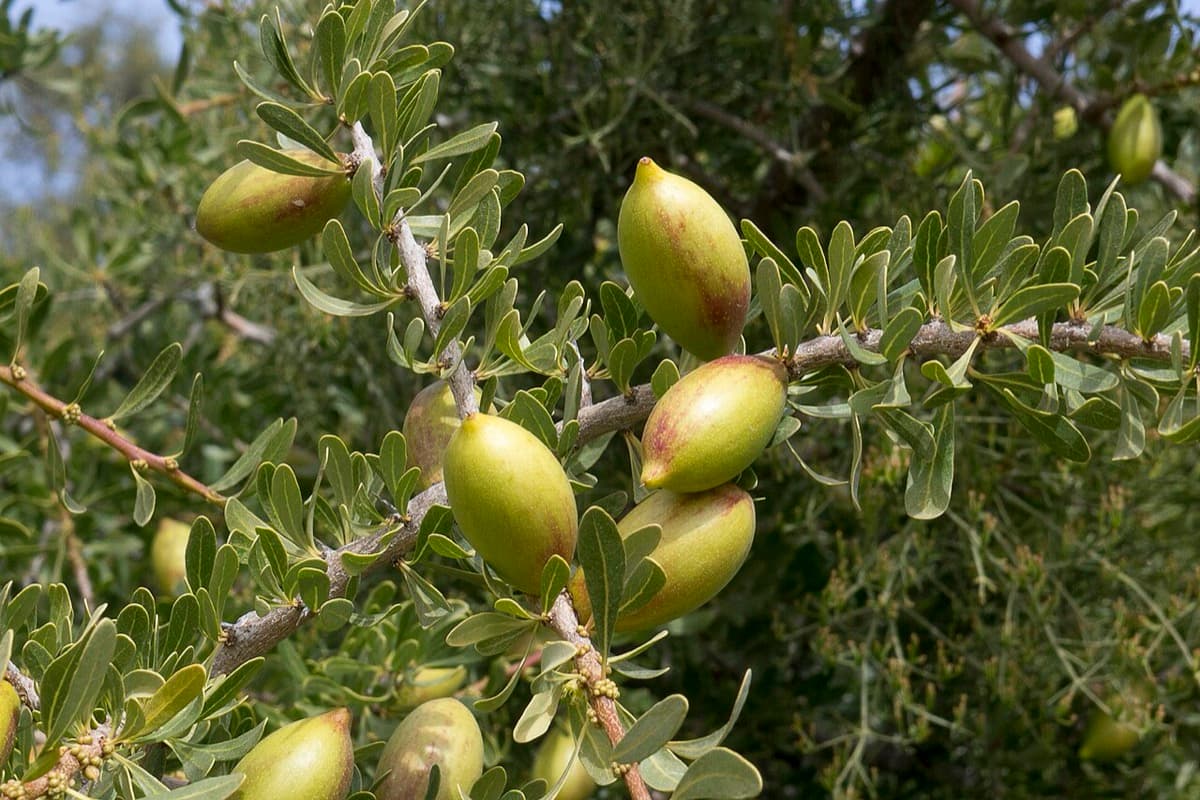
For dry, frizzy or chemically treated hair where the shaft needs more help than the scalp, an argan and keratin smoothing oil makes more sense — lighter on the roots, richer through the lengths. And if what you're actually after is a daily finishing product rather than a pre-wash treatment, that's a different tool altogether; our comparison of hair serum versus hair oil explains which job belongs to which bottle. The complete hair oil collection covers both camps.
How often is enough?
Once or twice a week suits most people. Oily scalps in humid cities may prefer once a week or even once a fortnight, timed to wash day. Dry scalps and thick, coarse hair can go twice. Daily oiling is a habit, not a requirement — and if you're seeing more strands in the comb than usual, look at the underlying causes of hair fall before assuming more oil is the answer.
Done this way, champi stops being a grease trap and becomes what it always was: ten unhurried minutes with your own head, a small weekly kindness that your hair repays with interest. Your grandmother had the ritual right. She'd just never have poured half the bottle.