Ingredient Science
Bhringraj: Ayurveda's King of Herbs for Hair
07 Jul 2026 • Neemyukt Research Team
Somewhere in most Indian homes there is, or once was, a dark green oil in an old steel tin, warmed between someone's palms on a Sunday afternoon. That oil almost certainly carried bhringraj. Long before the word "active" entered our vocabulary, grandmothers were reaching for this herb to slow greying, calm an itchy scalp and coax thicker-looking hair.
The Sanskrit name says a lot. Bhringraj translates loosely as "king of hair", and Kesharaja, another of its names, means ruler of the tresses. Big titles for a small marsh plant. So what does the herb actually do, and how much of the folklore holds up?
What bhringraj actually is
Botanically, bhringraj is Eclipta alba (also written Eclipta prostrata), a modest weed that thrives in wet, waterlogged soil across India. It produces tiny white daisy-like flowers and, when crushed, a sap that oxidises to a deep blue-black. That staining quality is part of why it earned a reputation for darkening hair.
In classical Ayurveda it is classed as a rasayana — a rejuvenating herb — used both internally for the liver and topically for the scalp. You can read more about its traditional profile on our bhringraj ingredient page. For hair, it almost always appears as an infused oil, because the plant's fat-soluble compounds transfer readily into a carrier like sesame or coconut.
Tradition versus what research suggests
Ayurvedic texts credit bhringraj with promoting hair growth, preventing premature greying and relieving scalp irritation. Those are traditional uses, worth respecting but worth reading honestly too.
Modern interest is genuine but early. A handful of laboratory and animal studies have looked at Eclipta alba extracts and reported effects on the hair growth cycle. Research suggests the herb contains flavonoids and other antioxidant compounds that may support a healthier scalp environment. What we don't have is a pile of large human trials proving it regrows hair the way a pharmaceutical does. So the fair position is this: bhringraj is traditionally used for hair, it has a plausible mechanism, and it's gentle enough to be worth including — not a guaranteed cure for balding.
If you're losing hair rapidly or in patches, that's a reason to see a dermatologist, not to double your oil dose. Herbs support a routine; they don't replace medical care.
How it may help the scalp
Most of bhringraj's believable benefits come back to the scalp rather than the hair shaft. A calm, well-conditioned scalp simply grows hair better than an inflamed, flaky one.
Soothing and antioxidant support
The plant's antioxidant compounds may help counter everyday oxidative stress from sun, pollution and hard water — the sort of low-grade damage most of us in Indian cities live with. That's a supporting role, but a real one.
A better massage medium
Bhringraj is almost never used neat. Delivered in an oil, it doubles as the reason for a proper champi massage, and the massage itself increases blood flow to the follicles. Some of the benefit people credit to the herb is really the ritual around it — which is fine, because both help.
Using bhringraj without the grease trap
The classic complaint is that oiling leaves hair lank for days. The fix is technique, not abandoning the practice.
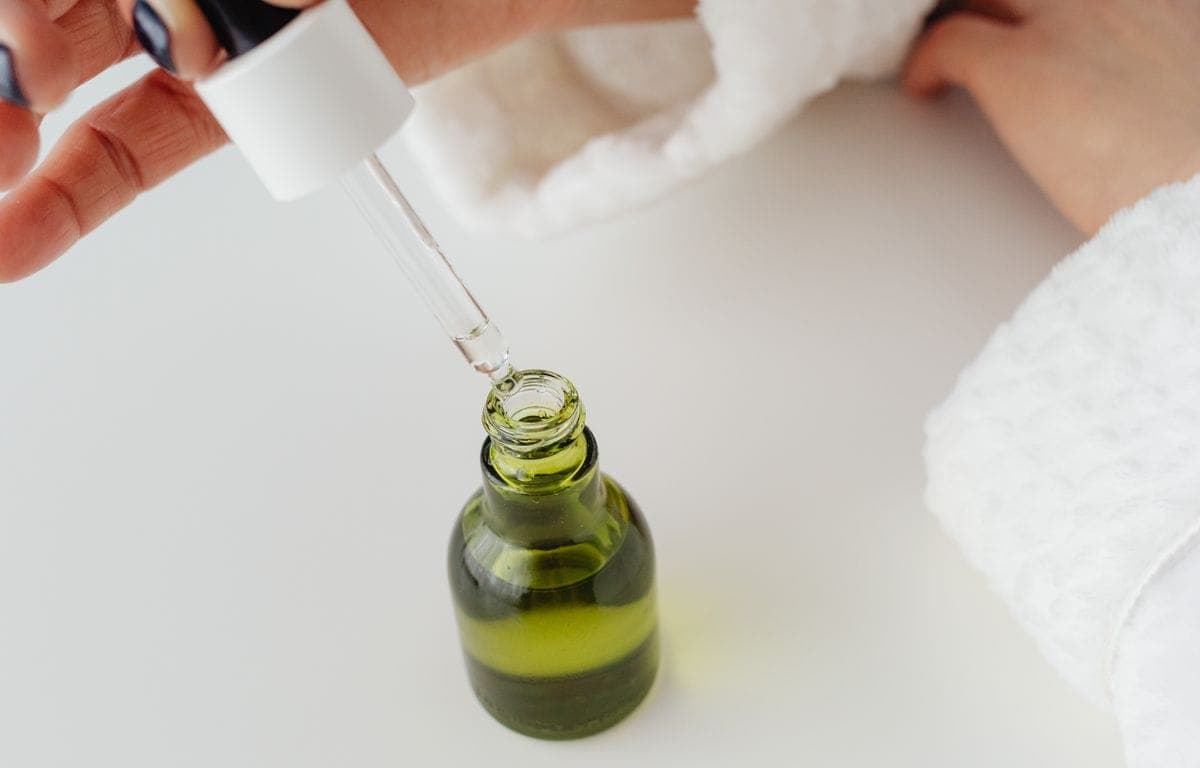
Warm a small amount of a pre-wash bhringraj oil blend — ours pairs it with amla and brahmi — and work it into the scalp with your fingertips for a few minutes. Leave it on for thirty to sixty minutes rather than overnight if greasiness bothers you; the first twenty minutes do most of the work. Then cleanse. If you want the benefits closer to daily without the wash-day commitment, a lightweight leave-on option like our caffeine scalp serum delivers similar botanicals in a non-oily base you can massage in and forget.
On wash day itself, a gentle, SLS-free cleanser matters. Stripping surfactants undo the conditioning you just did. Our sulphate-free shampoo for hair fall keeps the bhringraj-and-amla theme running through the whole routine, which is really how traditional hair care worked — the same herbs, at every step.
Where bhringraj fits in a routine
Think of it as scalp maintenance, not a rescue treatment. Two things make or break results: consistency and expectations.
Consistency, because botanical actives work slowly. A hair growth cycle runs in months, so give any scalp routine a good eight to twelve weeks before you judge it. Expectations, because bhringraj is one lever among several. If you want the fuller picture of why hair thins in the first place, our guide to the real causes of hair fall in India is a useful companion, and a broader look at scalp-first care explains why the surface below your hair deserves the attention.
Bhringraj also plays well with others. It's often blended with amla, and there's good reason for that partnership — you can read about the vitamin C connection in amla separately. Together they form the backbone of a lot of traditional Indian hair care.
Browse the full hair oil range or the wider hair care collection if you want to build the routine around a single herbal thread.
The honest verdict
Bhringraj has earned its long tenure in Indian hair care. Traditionally used, gentle, plausibly helpful for scalp health — a herb worth keeping in the routine, provided you treat it as steady maintenance rather than a miracle. Warm the oil, take the ten minutes for the massage, be patient, and let the king of herbs do its quiet, unhurried work.
Resources: PubMed: Eclipta alba and hair, Wikipedia: Eclipta prostrata