Body & Bath
Handmade vs factory-made soap: what genuinely differs
05 Oct 2026 • Neemyukt Research Team
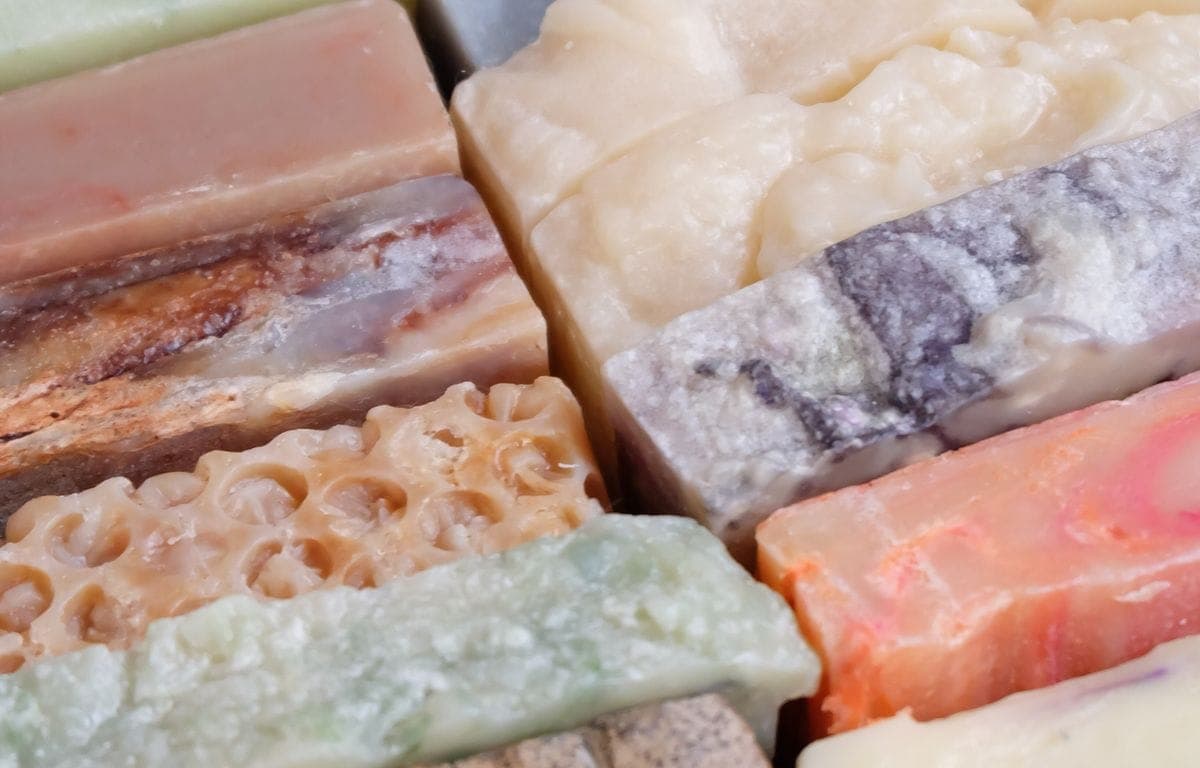
Walk through any craft market in India and you will find stacks of rough-cut, hand-wrapped soap bars priced well above a supermarket bar. The pitch is usually some version of "no chemicals, made the old way". Some of that pitch reflects real differences in how the bar was made. A good part of it is packaging and mood.
The chemistry of turning oils into soap is the same at any scale, and we have covered it in how oils become soap. This piece looks only at what changes between a small-batch bar and a factory one, and which of those changes your skin can actually feel.
In short: Handmade soap is not safer or purer by default. It often keeps more glycerin and leftover oil, which can feel gentler on dry skin, but it also varies more from batch to batch, softens faster in humid bathrooms and can go rancid sooner. The ingredient list tells you far more than the word "handmade" does.
Does "handmade" mean anything on a label?
Not much, on its own. It describes who made the bar and at what scale, not what went into it. A person with a pot and moulds, a small workshop and a semi-automated unit can all reasonably call their soap handmade. Soaps sold as cosmetics in India are covered by the same Cosmetics Rules, under the national framework of the Central Drugs Standard Control Organisation, whether they come from a kitchen-scale maker or a large plant, so an ingredient list should be there either way.
It also helps to know that "handmade" covers three quite different methods:
Cold process
Oils and lye are mixed, poured into moulds and left to cure for several weeks, commonly four to six. This is what most people picture. The glycerin that forms during saponification stays in the bar.
Hot process
The mixture is cooked until saponification finishes, then packed into moulds. It can be used sooner and has a more rustic texture.
Melt-and-pour
A ready-made soap base, usually produced industrially, is melted, coloured, scented and poured. It is "handmade" in the finishing sense only. Plenty of lovely-looking bars are made this way, and there is nothing wrong with that, but the base decides how it behaves on skin.
For the factory side, how a soap bar is actually made walks through the milling, plodding and stamping steps.
The differences that actually reach your skin
| Aspect | Typical small-batch cold-process bar | Typical factory-milled bar |
|---|---|---|
| Glycerin | Stays in the bar | Often separated during manufacture; some is added back in certain formulas |
| Leftover (unsaponified) oil | Usually a deliberate small excess, called superfat | Generally lower, though some bars add emollients |
| Bar type | Almost always true soap | May be true soap, a synthetic detergent bar, or a mix |
| Hardness in a wet bathroom | Softer; melts faster if left in water | Denser from milling; lasts longer |
| Batch consistency | Can vary with the maker's skill and measuring | Tightly controlled |
| Shelf life | Shorter; extra oil can turn rancid in heat | Longer; often includes antioxidants or chelators |
Glycerin and superfat
These two are the main reason handmade soap often feels less stripping. Glycerin is a humectant that draws water toward the skin, and a little unreacted oil leaves a light film behind. For people with dry or tight-feeling skin, especially in North Indian winters, that can be a noticeable difference. Dermatologists at the American Academy of Dermatology advise mild, fragrance-free cleansers for dry skin, and a well-made, unscented handmade bar can fit that brief. So can a glycerin soap bar, such as a neem tulsi glycerin soap bar.
True soap versus a detergent bar
Many factory "beauty bars" are not soap at all but synthetic detergent bars, which can be formulated closer to skin's natural pH. Handmade soap is true soap, which is alkaline. That does not make it harmful, but people with very reactive skin sometimes do better with a detergent bar. This is one area where the factory product can be the gentler choice.
Where handmade can go wrong
The biggest honest drawback is inconsistency. Soap-making depends on measuring lye accurately against the oils. A careless batch can leave too much free alkali in the bar, so it feels harsh or stings. An experienced maker rarely gets this wrong, but you cannot see it from the outside, and there is no factory quality check standing behind a single-person operation.
Scent is the second issue. Small-batch makers often use generous amounts of essential oils or fragrance. Essential oils are natural, but they are also among the common triggers of contact allergy. Patch test a new bar on the inner arm if your skin reacts easily.
The third is climate. A soft, oil-rich bar sitting in a wet soap dish through a Mumbai monsoon can turn mushy within days, and the extra oil can develop orange spots and a stale smell in summer heat. Keep it on a draining dish and out of the shower stream.
How to judge any bar, whoever made it
Turn the bar over and read the ingredients. Names like sodium olivate, sodium cocoate or sodium palmate tell you it is true soap made from olive, coconut or palm oil. Surfactants such as sodium cocoyl isethionate point to a detergent bar. Our guide to reading a soap's ingredient list goes through the rest.
Then match the bar to your skin rather than to the story on the wrapper. Dry skin tends to like glycerin and some superfat. Oily skin often prefers a firmer, well-rinsing bar, for example a neem cedarwood soap bar used briefly and rinsed off well. Neither method is automatically better. If any soap leaves you with persistent redness, cracking or itching, stop using it and see a dermatologist rather than switching bars endlessly.
Frequently asked questions
Is handmade soap better for sensitive skin?
Not reliably. The extra glycerin can help, but strong essential oils and batch variation can work against sensitive skin. A fragrance-free bar, handmade or not, is usually the safer start.
Does handmade soap still contain lye?
Not once it is properly made and cured, because the lye is used up in the reaction. A badly measured batch can leave free alkali behind, which is why a bar that stings should be set aside.
Why does my handmade soap have orange spots?
That is usually the leftover oil oxidising, often called rancidity. It is more common in heat and humidity. A bar with spots and an off smell is past its best and is worth replacing.
Can a factory-made soap be natural?
Yes. Scale does not decide the ingredients. A factory bar made from plant oils can be as simple as a handmade one, and the ingredient list is the only fair way to compare them.