Ingredient Science
Amla and Hair: The Vitamin C Connection
10 Jul 2026 • Neemyukt Research Team
Bite into a raw amla and your face does something involuntary. It's sour, astringent, faintly bitter, and then oddly sweet on the aftertaste. That intensity is a clue: the Indian gooseberry is packing one of the highest concentrations of vitamin C found in any fruit. For hair, that single fact explains a great deal of why amla has been a fixture in Indian care for as long as anyone can trace.
Our grandmothers didn't know the word ascorbic acid. They just knew amla — pickled, juiced, dried into candy, or steeped in oil — kept hair dark and thick. Turns out the chemistry was quietly on their side.
Why the vitamin C matters
Vitamin C isn't a hair-growth potion, but it plays a couple of genuine roles the body can't skip. It's needed to build collagen, part of the structural scaffolding around the hair follicle, and it's a potent antioxidant that helps neutralise free radicals. Research suggests oxidative stress contributes to hair ageing and greying, so an antioxidant-rich input is a sensible thing to feed the scalp.
There's also the iron angle. Vitamin C improves how well the body absorbs iron from plant foods, and iron deficiency is one of the more common, under-recognised drivers of hair fall — particularly among vegetarians in India. Eating amla is therefore doing a little more than the topical version, though both have a place. You'll find a fuller breakdown on our amla ingredient page.
What amla does on the scalp
Applied to hair and scalp, amla works on the surface and the strand rather than rewriting biology.
Astringent and clarifying
Amla is naturally astringent, which is part of why it's felt to tighten and refresh an oily, sluggish scalp. That mild clarifying quality suits the sweat and grime most of us accumulate through an Indian summer.
Conditioning the shaft
Traditionally, amla is credited with adding shine and reducing the frizz that comes from rough, lifted cuticles. Used in an oil, it coats the strand and helps hair lie smoother. It's also long associated with delaying premature greying — a traditional use rather than a proven guarantee, but a consistent thread across generations.
The amla and bhringraj partnership
Amla rarely travels alone in Indian formulations. Its most common companion is bhringraj, and the pairing isn't accidental — the two cover different bases, one antioxidant-rich and clarifying, the other soothing and scalp-focused. If you want the other half of that story, our piece on bhringraj, the king of hair herbs is the natural next read.
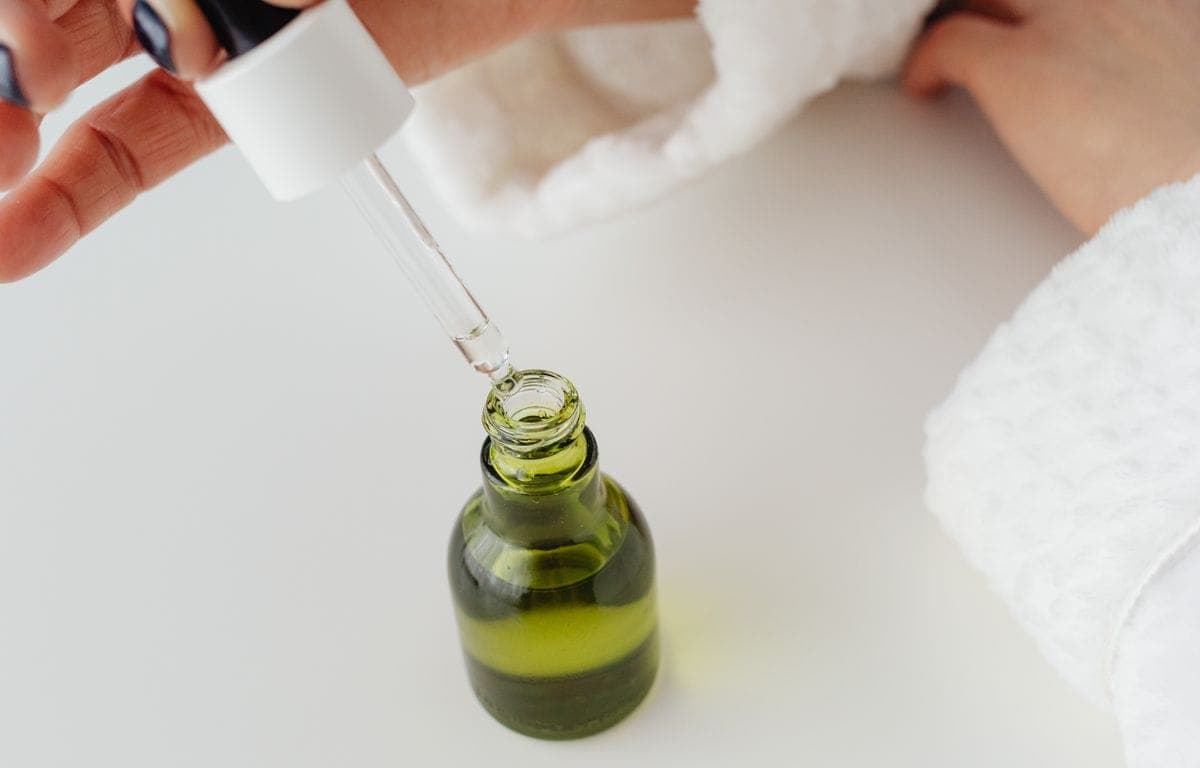
You'll see the two combined in a pre-wash treatment like our bhringraj and amla hair oil, meant to be massaged in before a wash. Warm it, work it into the scalp, leave it thirty minutes or so, then cleanse. The oil route is the most traditional, and honestly still one of the most effective ways to get these botanicals sitting on the scalp long enough to matter.
Keeping it in on wash day
Here's where a lot of people undo their own effort. You condition the scalp with a rich herbal oil, then strip it all off with a harsh, sulphate-heavy shampoo. A gentler cleanser keeps the balance.
An SLS-free shampoo made for hair fall lets you cleanse without the squeaky, stripped feeling that leaves the scalp reaching to overproduce oil. If you're wondering whether the switch is worth the adjustment period, our explainer on what to expect from sulphate-free shampoo walks through the first few weeks honestly. The whole shampoo range follows the same no-strip philosophy.
A realistic set of expectations
Amla is a supportive ingredient, not a rescue act. It won't reverse pattern baldness and it won't undo a genuine nutritional deficiency on its own. What it can do is contribute antioxidant support, a little shine and a cleaner scalp, and — through the diet — help your body use the iron it takes in.
If your hair fall is sudden, heavy or coming out in clumps, treat that as a signal to see a doctor and check for underlying causes rather than layering on more oil. For the everyday, gradual thinning most people worry about, our overview of what really drives hair fall in India puts amla in its proper context — one useful piece of a bigger picture that also includes sleep, protein, iron and gentleness. Explore the wider hair care collection if you'd like to build a routine around it.
Keep an amla in your diet, keep the herb in your wash routine, and give it the months it needs. It has earned its long place on the shelf the slow, honest way — one sour, vitamin-rich fruit at a time.