Ingredient Science
Is Bakuchiol Really a Natural Alternative to Retinol?
31 Aug 2026 • Neemyukt Research Team
Bakuchiol arrived in Indian skincare with an unusually tidy story attached: a plant compound, extracted from the seeds of babchi (Psoralea corylifolia), that supposedly does what retinol does without the peeling, stinging and winter misery. It is a compelling pitch, particularly for anyone who has abandoned a retinol bottle after two weeks of flaking. The pitch is also, in places, further ahead of the science than the marketing admits.
In short: Bakuchiol is a genuine, well-tolerated active with a small body of research suggesting it can improve fine lines and uneven tone, and one head-to-head trial reported improvements similar to retinol's with less irritation. The answer works on two tiers. Against over-the-counter retinol, bakuchiol is a reasonable swap if retinol irritates you. Against a prescription retinoid for acne or significant photoageing, it is not a substitute — that evidence base is a handful of small studies set against decades of retinoid research.
What exactly is bakuchiol?
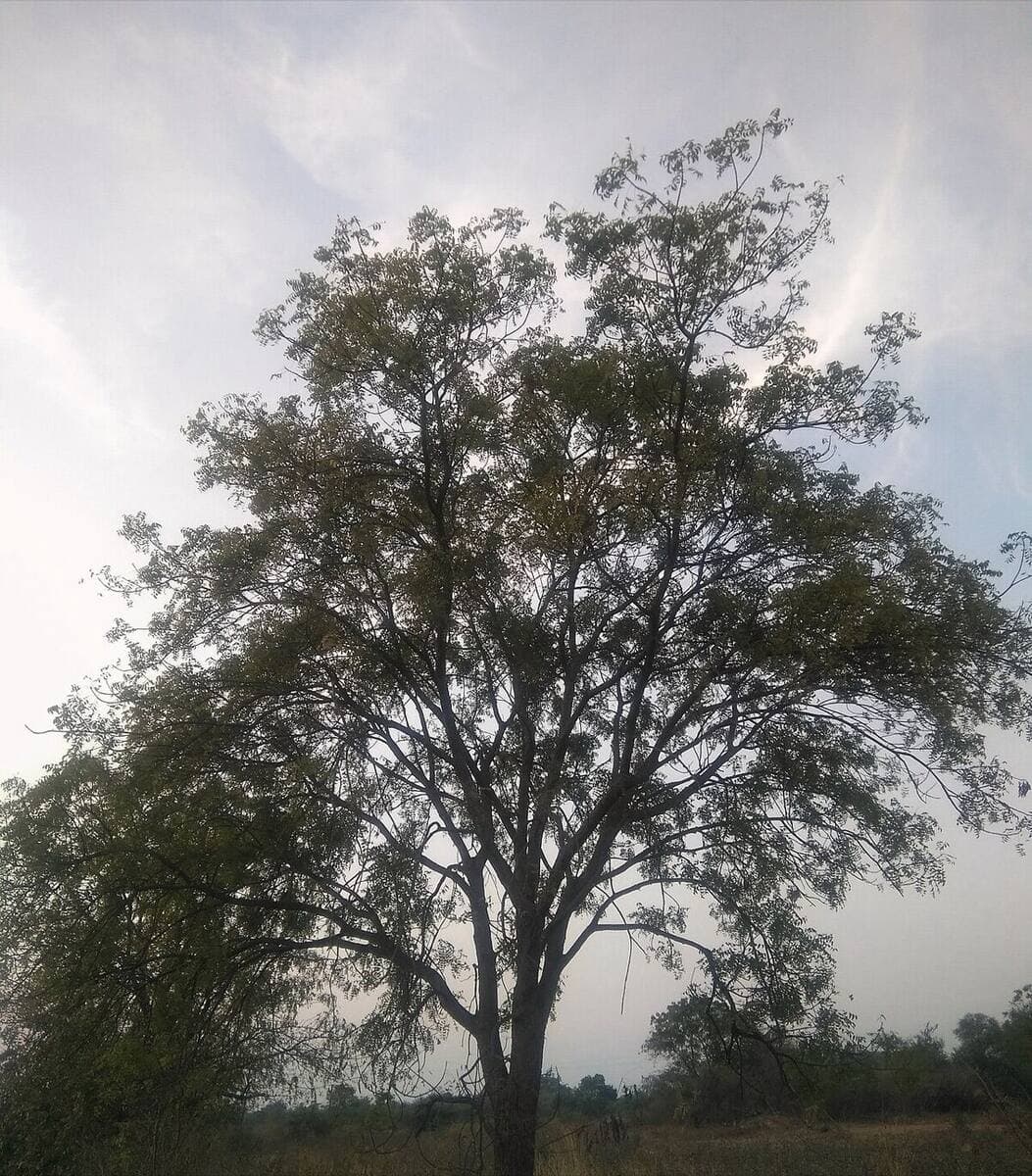
Bakuchiol is a meroterpene phenol isolated from babchi seeds, a plant with a long history in Ayurvedic and traditional Chinese practice. Chemically it looks nothing like retinol. Retinoids are vitamin A derivatives; bakuchiol shares no structural family resemblance with them at all.
What makes it interesting is functional rather than structural. Cell and gene-expression studies have reported that bakuchiol influences some of the same pathways retinoids act on. Those include pathways tied to collagen production and skin renewal. In other words, a different key that appears to open a few of the same doors. "Appears to" is doing real work in that sentence, and it is worth keeping that caveat in mind whenever you see bakuchiol described as retinol's equal.
One point of genuine caution about the source plant: babchi seed also contains psoralens, compounds that are strongly photosensitising and used medically only under supervision. Purified bakuchiol is not the same thing as raw babchi oil, and homemade babchi preparations are not a safe DIY project. On a label, look for “Bakuchiol” in the ingredient list rather than “Psoralea corylifolia seed oil”.
Does the evidence actually support the comparison?
Partly, and with real limits. The most cited work is a randomised, double-blind study by Dhaliwal and colleagues, published in the British Journal of Dermatology in 2019, which compared a bakuchiol cream with retinol over twelve weeks and found both improved wrinkle surface area and hyperpigmentation, with the bakuchiol group reporting less scaling and stinging. That is a meaningful finding. It is also a single study with a few dozen participants.
Beyond it sits a small collection of further trials and laboratory investigations, some funded by ingredient suppliers, most short in duration and modest in size. Compare that with retinoids, studied for photoageing and acne over decades across large populations with well-characterised outcomes and side effects. The honest summary is that bakuchiol has promising early evidence, while tretinoin has a settled evidence base. Those are not the same standard of proof, and an ingredient being plant-derived does not shortcut the difference.
Where bakuchiol does not substitute
If you have inflammatory or nodulocystic acne, or sun damage you genuinely want reversed, bakuchiol is not the tool. Prescription retinoids remain the standard of care there, and a dermatologist can weigh whether your skin needs one. Recurrent melasma is different again, and is usually managed with dermatologist-directed pigment therapy alongside strict photoprotection. Swapping a prescription for a gentler cosmetic active because it sounds more natural is a common and expensive detour.
How does it compare with retinol day to day?
The practical differences matter more than the theory for most people.
| Factor | Retinol | Bakuchiol |
|---|---|---|
| Chemical family | Vitamin A derivative | Plant-derived meroterpene phenol |
| Evidence base | Extensive, decades of trials | Small and early, few head-to-head studies |
| Typical irritation | Dryness, flaking, stinging in early weeks | Usually minimal; reactions still possible |
| Adjustment period | Often needed, build up slowly | Generally usable nightly from the start |
| Formula stability | Degrades with light and air | More stable, tolerates daytime formulas |
| Pregnancy | Avoid; discuss with your doctor | Data limited; ask your doctor first |
| Realistic timeline | 8–12 weeks for visible change | Similar or slower, 8–16 weeks and beyond |
The stability point is underrated. Because bakuchiol does not break down as readily under light, it can sit in morning products, though most routines still place it at night alongside barrier support such as a Neem Shea Barrier Cream.
Whose skin is it best suited to?
Bakuchiol makes the most sense for skin that has demonstrated it cannot cope with retinoids: reactive and sensitive skin, rosacea-prone skin, skin mid-way through repairing a damaged barrier, and the large group who tried retinol, peeled for a fortnight and quietly gave up. It is also reasonable for someone in their late twenties or thirties who wants a preventive active without a difficult adjustment period.
Sensitive skin still needs a patch test. Plant-derived does not mean inert, and a handful of people react to bakuchiol itself. The Sensitive-Skin Ingredient Checklist covers how to introduce any new active without triggering a flare.
If acne is the main concern, bakuchiol is a supporting player rather than the answer. A gentle exfoliating acid usually does more for congestion, and persistent acne deserves medical assessment rather than another serum.
How does it fit an Indian routine?
Two Indian realities shape the answer: humidity and UV load. In humid coastal and monsoon conditions, heavy creams feel intolerable, and a lightweight formulation such as a Neem Bakuchiol Night Renewal Serum is easier to sustain than a rich balm. Consistency beats intensity here, because an active you abandon in July does nothing for you in December.
Sunscreen is not optional alongside any renewal active. India sits at latitudes with high year-round UV, and the American Academy of Dermatology's guidance on selecting sunscreen recommends a broad-spectrum SPF 30 or higher applied daily, including on overcast days. Without it, you spend months encouraging renewal while UV undoes the pigment and collagen benefits in parallel.
Whichever sunscreen you choose, check that its own label states broad-spectrum cover and an SPF you are happy with. Mineral filters such as those in a Neem Mineral Sunscreen tend to suit reactive skin, and Sunscreen in Indian Weather covers quantity and reapplication in humidity.
What to expect, honestly
Nothing visible for the first month. Texture and tone changes, if they come, typically appear somewhere between eight and sixteen weeks. Bakuchiol is generally not associated with the classic retinoid purge, so a sudden crop of spots after starting it more likely reflects something else in your routine — a distinction unpacked in Skin Purging vs Breakout: Reading the Difference.
Frequently asked questions
Can I use bakuchiol and retinol together?
There is no established reason they cannot coexist, and some formulas pair them deliberately at low strengths. But layering two renewal actives increases irritation risk without evidence of proportional benefit. If you already tolerate retinol well, adding bakuchiol is unlikely to be the change that transforms your skin.
Is bakuchiol safe during pregnancy because it is plant-based?
Not automatically. Retinoids are avoided in pregnancy for well-documented reasons, but bakuchiol's absence of pregnancy safety data is not the same as proof of safety. Ask your obstetrician or dermatologist before using it, and treat any blanket "pregnancy-safe" marketing claim with scepticism.
Does bakuchiol help with pigmentation and dark spots?
Some studies report improvement in hyperpigmentation, though the effect sizes are modest and the sample sizes small. For tone concerns, daily sun protection matters far more than the active itself. Melasma is a separate condition that needs a dermatologist.
What can I pair it with safely?
Niacinamide and ceramide-based moisturisers pair well and support the barrier. Be more cautious about stacking bakuchiol with strong acids on the same night; alternate evenings are kinder than layering, especially in dry winter air.
The verdict
Bakuchiol earns its place as a tolerable, plausibly effective renewal active for skin that cannot handle retinoids. It has not yet earned the right to be called retinol's equal, and anyone selling it that way is ahead of the data. Use it with patience, use it with sunscreen, and see a dermatologist when the concern is medical rather than cosmetic.