Ingredient Science
Bakuchiol vs peptides for early fine lines
09 Oct 2026 • Neemyukt Research Team
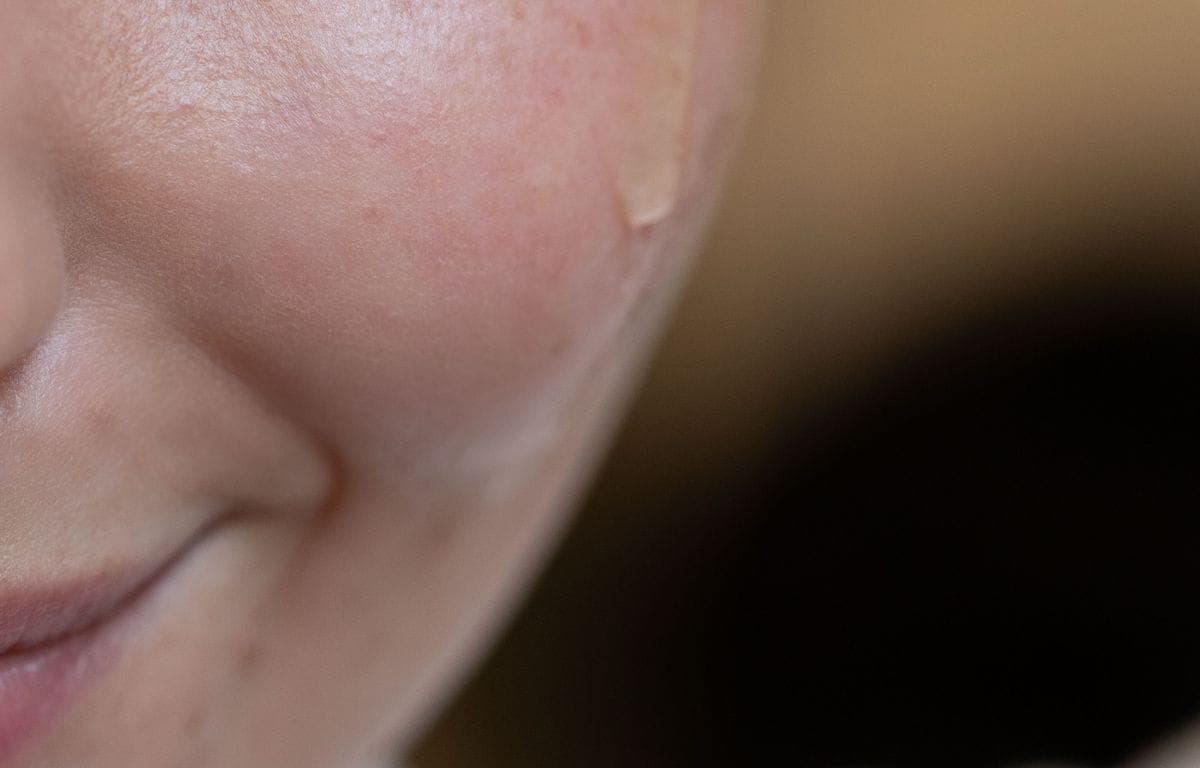
Two serums, one problem, and a gap in the evidence that the shelf does not show you. Peptides and bakuchiol are both sold for early fine lines: the faint creases at the outer corners of the eyes and across the forehead that appear in some lights and vanish in others.
Neither has much human evidence behind it, and what exists is shaped differently. The Neem Bakuchiol Night Renewal Serum, ₹1699 for 30 ml, currently takes a waiting-list entry rather than an order. We sell a bakuchiol serum and no peptide serum, so read the evidence section below knowing which side of this we are on.
In short: Bakuchiol has a small randomised trial showing measurable improvement in fine lines over twelve weeks. Peptides are a large family: a few have small controlled trials, often supplier-funded, and many rest on laboratory work alone, so both cases are thin. Peptides still earn their place on skin that reacts to everything, and for early fine lines specifically, daily sun protection does more than either serum.
How much evidence sits behind each?
Bakuchiol's case rests mainly on a twelve-week randomised, double-blind trial comparing 0.5% bakuchiol with 0.5% retinol, published in 2019. Both groups improved on wrinkle area and pigmentation, graded by a dermatologist who did not know who was using what, and the retinol group reported more scaling and stinging. One small study on one formulation settles nothing permanently, but it is a genuine comparison with blinded assessment.
Peptides are not one ingredient. The word covers hundreds of short amino acid chains with different structures and different marketed jobs: copper peptides sold for repair, palmitoyl pentapeptide-4 for collagen signalling, acetyl hexapeptide-8 for softening expression lines. Asking whether peptides work is close to asking whether plants are good for you.
The weakness sits behind each individual one. Much of the published support comes from cell studies in a laboratory, or from small trials on a finished cream that also held humectants, niacinamide or sunscreen filters, which makes it impossible to say the peptide did the work. A few individual peptides, palmitoyl pentapeptide-4 among them, have small vehicle-controlled trials, so the best-studied peptides and bakuchiol sit on similarly thin ground.
Then there is the basic question of whether the molecule reaches anything. Peptides tend to be water-loving and charged, and the skin's outer barrier is built to keep exactly that kind of molecule out. Formulators work around it with fatty tails and delivery systems, some of it genuinely clever, but "it worked in a dish" and "it crossed your skin barrier at the concentration in this bottle" are different claims.
None of this makes bakuchiol's evidence a mountain. It is one modest trial, with no placebo arm, so some of the improvement in both groups may be the moisturiser base rather than either active. Our longer look at the bakuchiol and retinol comparison sets out what that research does and does not establish.
What peptides genuinely have going for them
Tolerance, and it counts for more than the evidence argument suggests. Peptide serums rarely sting, do not cause the flaking phase retinoids are known for, and do not set off purging. For skin that has reacted to acids, retinol or even vitamin C, that matters, because the best active is the one you are still using in month three. Our sensitive-skin ingredient checklist covers what reactive skin usually accepts.
They also pair with almost anything. Vitamin C in the morning, an exfoliating acid twice a week, niacinamide, a prescription retinoid on alternate nights: a peptide serum fits in without a schedule and without a conflict. Bakuchiol is gentler than retinol, but it is still an active, and some skin finds it too much.
The base deserves credit too. Most peptide serums are built on humectants, and well-hydrated skin looks smoother, because early fine lines are partly a water story before they are a collagen story. That effect is real and quick. It is also not structural, and it fades when you stop.
| Point of comparison | Bakuchiol | Cosmetic peptides |
|---|---|---|
| Human evidence for fine lines | A randomised, blinded twelve-week trial against retinol | A few small vehicle-controlled trials for individual peptides, often supplier-funded; much of the rest is laboratory work |
| Typical irritation | Mild, though reactive skin can still sting | Very low, among the gentlest actives sold |
| Sun sensitivity | Not classed as a photosensitiser at cosmetic levels | None known |
| Layering | Simplest alone, at night | Sits alongside almost anything |
| Realistic timeline | Eight to twelve weeks before judging | Smoothing from hydration within days, structural change unproven |
| What it will not do | Erase deep, established lines | Replace daily sun protection |
For early fine lines, sunscreen outranks both
Neither category advertises this, so it is worth saying plainly. The lines that show up first are largely the result of ultraviolet exposure acting on collagen and elastin over years, plus repeated expression and, in dry weather, ordinary dehydration. Sun exposure is a major avoidable driver of visible skin ageing, as MedlinePlus explains, and most of India sits under a meaningful ultraviolet load for most of the year rather than only in summer.
A night serum works at the margin. Unprotected daylight works on the main account. If chemical filters sting, a mineral sunscreen with zinc oxide at ₹749 is usually easier to wear, and our sunscreen guide for Indian weather goes into amounts and reapplication. The rest of the unglamorous list: sleep, not smoking, and a moisturiser applied consistently. A light layer such as the neem aloe gel moisturiser at ₹799 does much of what a peptide serum's base does, for less money.
So which should you buy?
If your skin handles actives
Bakuchiol is a reasonable buy, on evidence that is promising but thin. Patch test, start at two or three nights a week on dry skin, and give it eight to twelve weeks before judging it. A 30 ml bottle at a few drops a night generally runs two to three months.
If your skin reacts to almost everything
A peptide serum is a fair choice, and thin evidence is a smaller objection when the alternative is a bottle you abandon in three weeks. Look for a formula that names its peptides instead of advertising a peptide complex, and buy it knowing you are paying for comfort and hydration with the possibility of more.
If you are buying one thing this year
Buy the sunscreen. It is the cheapest of the three and the only one with trial evidence for preventing this kind of ageing rather than working on it afterwards.
Lines you would call deep rather than fine, or skin that flares and itches, deserve a dermatologist's opinion before either serum. Prescription options such as tretinoin carry evidence neither category can match.
Frequently asked questions
Can I use bakuchiol and a peptide serum together?
Yes. There is no known conflict, and peptides are among the easiest things to layer. Apply the lighter, water-based product first. Introduce them one at a time so you can tell which one your skin objects to, if either does.
Are peptides a waste of money, then?
No. Weak evidence for a specific wrinkle claim is not the same as no benefit, and a well-made peptide serum hydrates, sits comfortably under sunscreen, and suits skin that cannot take stronger actives. Buy one for those reasons rather than for the collagen promise on the box.
How soon should early fine lines look different?
Hydration changes how they look within days. Anything structural takes months, and eight to twelve weeks is the minimum honest window for judging bakuchiol. Faster promises deserve scepticism.
Which is safer in pregnancy?
Peptides are generally regarded as low risk and retinoids are avoided, but bakuchiol's pregnancy data is limited, and plant origin does not settle the question. Ask your obstetrician or dermatologist before starting either.