Ingredient Science
Babchi to bakuchiol: the Ayurvedic seed behind the retinol alternative
07 Oct 2026 • Neemyukt Research Team
Two names, one seed, and a gap between them worth understanding. Babchi, or bakuchi, is the seed of Psoralea corylifolia, a legume long used in Ayurvedic and Unani practice. Bakuchiol is one compound isolated from that seed, and it is what appears on a modern serum label.
Cold-pressed babchi oil costs a fraction of what a formulated serum does, which makes substitution look obvious. It is the one substitution worth refusing. At ₹1699 for 30 ml, the neem bakuchiol night renewal serum is the dearer route, and the difference between the two is what happens between the seed and the bottle. It lists bakuchiol at 1% with squalane and rosehip, and it is pre-launch, so that page takes a waiting-list entry rather than an order.
In short: Babchi seeds carry bakuchiol alongside psoralens, compounds that make skin react sharply to sunlight. Traditional practice used the whole seed with deliberate sun exposure, for pigment disorders rather than wrinkles. Cosmetic bakuchiol is the isolated compound with the psoralens separated out and tested for, which is why a serum is not an expensive version of raw babchi oil.
What babchi was used for before anyone mentioned wrinkles
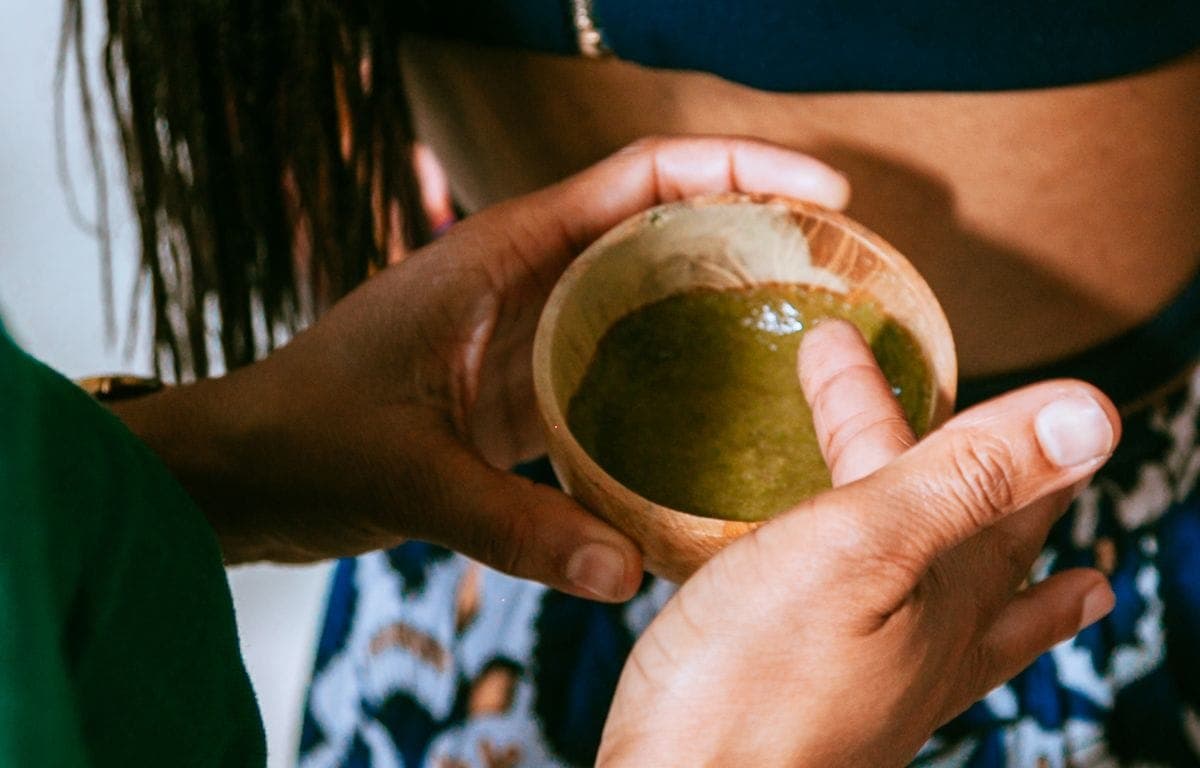
Classical use centred on pigment loss. Ayurvedic texts list bakuchi for shvitra, a description that maps closely onto vitiligo, and the seed appears in Unani and Chinese practice for related complaints. The method mattered as much as the plant: crushed seed paste or oil went onto the pale patches, and the person then sat in early sunlight for a measured stretch.
That sequence was not superstition. It is the ancestor of the light therapy dermatology still uses, pairing a photosensitising drug with a calibrated dose of ultraviolet A. Light therapy remains one of the recognised medical treatments for vitiligo, as the MedlinePlus overview of the condition sets out. Clinical practice added control: known drug strength, measured light dose, supervision. Nothing in that history recommends babchi for fine lines.
What isolation changed
Isolation separated a useful compound from a risky one. The seed is a mixture: fixed oil, furocoumarins (mainly psoralen and isopsoralen), and a phenolic compound that chemists characterised and named bakuchiol in the 1960s. Bakuchiol has no structural relationship to vitamin A or its derivatives, which is worth remembering every time it is called a natural retinol.
Interest grew because laboratory work found bakuchiol acting on several of the same genes retinoids do, and because a small randomised, double-blind trial published in 2019 compared bakuchiol with retinol over twelve weeks. Both groups improved on fine lines and pigmentation, and the retinol users reported more scaling and stinging. One modest trial on one formulation is a start, not a settled case; our piece on whether bakuchiol really is a natural stand-in for retinol covers where the comparison holds.
The other half of isolation gets less attention. Purifying bakuchiol leaves the furocoumarins behind, and reputable suppliers test batches to confirm they sit below detectable levels. Some cosmetic bakuchiol is synthesised to the identical structure for the same reason. None of that has happened to a bottle of pressed seed oil.
Why raw babchi oil is a poor DIY active
Psoralens make skin react hard to ultraviolet light, and a bedtime application does not reliably clear by morning. Spread over a whole face and followed by an ordinary Indian morning outdoors, that can mean redness, swelling, blistering and, on medium to deep skin tones, dark marks that take months to fade. The streaky burns people get when lime juice dries on skin in the sun come from the same family of compounds.
The deeper problem is dose. A bottle labelled babchi oil says nothing about how much psoralen is in it: seed batches vary, pressing methods vary, and no cosmetic label declares furocoumarin content. Anyone with actual vitiligo or melasma should be working with a dermatologist, who has controlled phototherapy and prescription options available.
| Feature | Cold-pressed babchi seed oil | Cosmetic-grade bakuchiol |
|---|---|---|
| What it is | Whole seed oil, many compounds together | One purified compound, or a nature-identical synthetic |
| Psoralen content | Present, quantity unknown and variable | Removed during purification; reputable grades are tested for residues |
| In sunlight | Strongly photosensitising | Not classed as a photosensitiser at cosmetic levels |
| How it is used | On depigmented patches with timed sun exposure | Leave-on night serum at a low percentage |
| Sensible on the face at home | No | Yes, after a patch test |
Why does a bakuchiol serum cost what it does?
Most of the cost sits in purity, not in the plant. Seeds are cheap; separating one compound out of them is not. Extraction yields a small fraction of usable bakuchiol per kilo of seed, purification follows, and every batch is analysed to confirm the furocoumarins are gone.
Formulation adds the rest. Bakuchiol is oil-soluble, so it needs a carrier system that keeps it dispersed and stable through a Chennai summer rather than separating. It is used at a concentration that does something, the 2019 trial used half a per cent and our serum lists 1%, not a token pinch for the label. Light-resistant packaging, stability testing and small batch sizes account for the remainder.
A few drops cover a face, and since most people start at only a couple of nights a week, a bottle goes further than the price suggests.
Reading the ingredient list
Look for bakuchiol named directly. A product listing only a whole seed extract is telling you something different, because a whole extract can bring the rest of the seed's chemistry with it. That habit applies across the shelf, and we set it out in how much neem is actually in your neem product.
Using it so the bottle earns its price
Patch test on the inner forearm for two nights, then start at two nights a week on clean, dry skin and build up if nothing complains. Bakuchiol is gentler than retinol for most people, but gentler is not inert, and reactive skin can still sting. If your face feels tight, apply moisturiser before the serum. On humid nights a light layer such as the neem aloe gel moisturiser works better underneath than a rich cream.
Sunscreen does the other half of the work, not because bakuchiol is photosensitising but because pigmentation and fine lines respond slowly, and unprotected sun undoes progress faster than a night serum builds it. A mineral sunscreen with zinc oxide, such as the neem mineral sunscreen, suits skin that reacts to chemical filters; our sunscreen guide for Indian weather covers quantity and timing. Give the serum eight to twelve consistent weeks before judging it. If nothing has shifted, a dermatologist can say whether a prescription retinoid such as tretinoin or adapalene fits better.
Frequently asked questions
Can I dilute babchi seed oil at home instead?
No. You cannot know how much psoralen is in the oil you bought, so you cannot dilute it to a predictable level, and the cost of getting it wrong is a burn rather than a mild reaction.
Does bakuchiol itself make skin sun-sensitive?
At cosmetic levels it is not considered a photosensitiser, unlike the psoralens in the whole seed. Daily sunscreen still matters, because sun exposure works against the changes you bought the serum for.
Can I use it with vitamin C or a BHA toner?
Usually yes, at different times: vitamin C in the morning, bakuchiol at night, an exfoliating toner on nights you skip the serum. Introduce one product at a time so you can tell what caused what.
Is it safe in pregnancy?
Pregnancy-specific evidence is limited, and babchi's traditional medicinal use adds a reason for caution. Ask your obstetrician or dermatologist before starting any new active during pregnancy or breastfeeding.