Body & Bath
The Ten-Minute Ayurvedic Bath Ritual
08 Jul 2026 • Neemyukt Research Team
There's a reason your grandmother's bath took twenty minutes and yours takes six. Hers wasn't just a wash. It was snana — one of the daily disciplines Ayurveda groups under dinacharya, given the same weight as food and sleep. The classical texts credit a proper bath with easing fatigue, lifting the mood and sharpening appetite, which sounds generous until you actually try bathing their way.
You don't need an hour, a courtyard or a brass bucket warming in the sun. Ten unhurried minutes, structured properly, capture most of what the tradition intended.
What Ayurveda actually asks of a bath
Three things, mainly. First, that oil goes on before water: abhyanga, the self-massage, prepares the skin so the bath doesn't strip it. Second, that the water suits the body — warm for the limbs and torso, cooler for the head, since the tradition holds that hot water over the head is bad for the hair and the eyes. Third, that bathing happens with attention rather than on autopilot, ideally in the morning before food.
Modern skin science won't vouch for every classical claim, but it agrees on the load-bearing ones. Very hot water strips the skin's lipids. Oiling beforehand cushions that stripping. Moisture is best sealed in immediately afterwards, on damp skin. The old sequence holds up remarkably well.
The ten minutes, laid out
Minutes one to three: oil first
Warm a few spoonfuls of plain body oil — sesame is the classical default for most of the year, coconut the summer swap — and work it over your limbs with long strokes towards the heart, circling at the joints. Two or three minutes is enough for the daily version. On hair-wash days, extend it upward into a brief champi; done right, hair oiling is its own small discipline, and pre-wash is exactly when it belongs.
Let the oil sit while you brush your teeth. That waiting time is part of the method, not wasted time.
Minutes four to eight: the wash
Fill the bucket warm, not steaming — if you couldn't hold your hand in it happily for a minute, it's too hot. Swirl in a few ayurvedic bath drops so the herbs disperse through the water rather than washing straight off you.
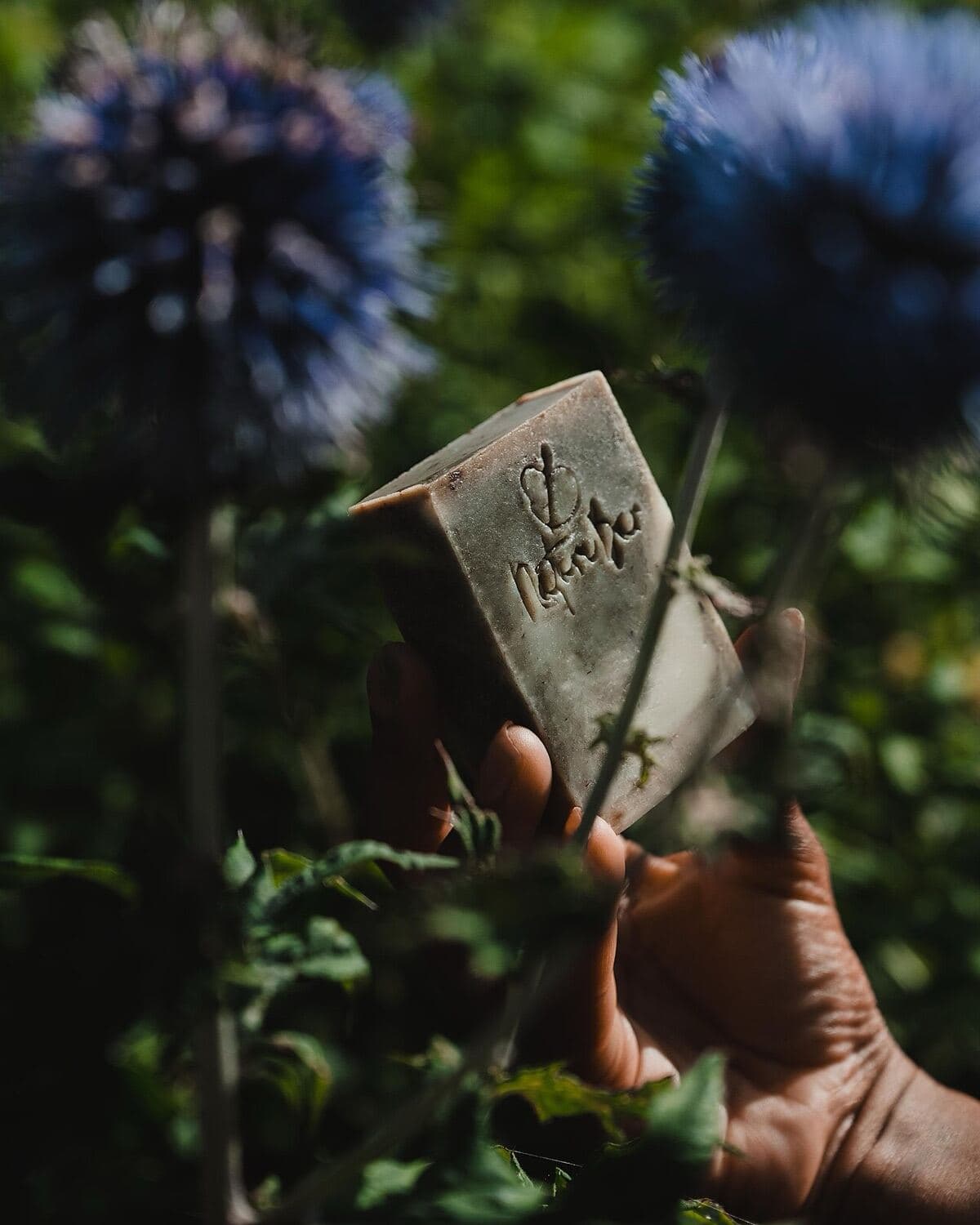
Cleanse according to the day. After a sweaty commute or a workout, a deep-cleansing cedarwood bar earns its place; on ordinary days a SLS-free body wash is kinder. Either way, don't chase away every trace of the oil you applied. A thin veil left behind is the point — that's your moisture barrier for the day.
Head last, and cooler. Tip the final warm mugs over shoulders and back, then finish the scalp with water a few degrees down.
Minutes nine and ten: close it properly
One cooler mug to finish — it wakes you better than the hot ever did. Pat dry rather than rubbing, and moisturise while the skin is still slightly damp; you have about a three-minute window before that softness evaporates. Then dress. Done.
Why the bucket beats the shower here
Partly economy: a bucket bath uses a fraction of the water a running shower does, which mattered to the tradition and should matter now. But mostly control. You govern the temperature mug by mug, the bath drops stay concentrated in the water instead of vanishing down the drain, and the rhythm of filling and pouring forces the unhurried pace the ritual is built on. A shower rushes you by design. A bucket cannot be rushed.
If a shower is all you have, keep it warm-not-hot, keep it short, and apply the drops to a mug for the final pour-over instead.
Small upgrades worth making
Once a week, swap your cleanser for an ubtan-style scrub-down before the wash — the coarse-paste exfoliation your grandmother would recognise. In peak summer, shift the whole ritual onto a cooling register: khus is the classical choice, and vetiver's cooling credentials go back centuries in Indian bathing culture. In winter, extend the oil stage and shorten the wash.
What happens after the towel matters as much as the bath itself; the three-step body care framework picks up exactly where this ritual ends. And keep your supplies simple — a bar, a wash and a bottle of drops from the bath and shower collection cover the entire routine, with the soap bar range offering seasonal variety.
Keeping it honest
Nobody performs a full ritual every day, and pretending otherwise is how routines die. So split it. Weekdays get the abridged version — sixty seconds of oil, warm bucket, quick cleanse, moisturise. Sundays get the full ten minutes with the champi and the ubtan. That rhythm is sustainable for years, which makes it worth infinitely more than a perfect fortnight followed by abandonment.
Snana was never really about getting clean — soap manages that in ninety seconds. It was about starting the day deliberately. Ten minutes, a bucket, warm water and a little oil: the tradition asks less than you'd think, and gives back more.