Hair Care Guides
Switching to Sulphate-Free Shampoo: What to Expect
03 Jun 2026 • Neemyukt Research Team
The first thing you'll notice is the lather. Or rather, the lack of it. A sulphate-free shampoo produces a soft, low-slung foam instead of the rich crackling mountain you're used to, and for a week or so your brain will insist your hair isn't getting clean. It is. That instinct is the single biggest reason people abandon the switch too early, so let's deal with it upfront: foam is theatre, not cleansing.
What sulphates actually do
Sodium lauryl sulphate and its cousin sodium laureth sulphate are strong anionic surfactants. They're brilliant at their job — lifting oil, silicone residue and grime off the hair shaft — and they're cheap, which is why they dominate the shampoo aisle. The trouble is they don't know when to stop. SLS strips not only the grime but also the sebum that keeps your scalp barrier comfortable and the lipid layer that keeps the hair cuticle smooth.
For some people that's tolerable. For others — coloured hair, curly or wavy hair, dry scalps, sensitive skin — it's a slow tax. The scalp overcompensates by producing more oil, the lengths get progressively drier, and colour fades faster because a stripped cuticle can't hold pigment. If you've noticed your scalp getting greasy within a day of washing while your ends stay straw-like, that mismatch is the classic sulphate signature.
The first two weeks, honestly
Days one to four feel underwhelming. Less foam, hair that feels slightly "coated" because it's retaining more of its natural lipids than you're used to. Some people wrongly read this as build-up.
Around the end of week one, scalps that were tight or itchy after washing usually calm down. This is often the first genuine win.
By week two or three, the rebound-oiliness cycle starts to settle. Scalps that were being stripped daily stop over-producing sebum, and many people find they can stretch an extra day between washes — worth knowing if you've been following our thinking on how often to wash your hair. Frizz-prone hair tends to look smoother too, because an intact cuticle lies flatter and lets in less humidity.
What sulphate-free won't do: regrow hair, repair split ends, or survive a fortnight of heavy styling wax without effort. Manage expectations and you'll be pleasantly surprised rather than mildly disappointed.
Who gains the most from switching
Not everyone needs this change equally. The strongest candidates are people with chemically treated or coloured hair, since gentler surfactants slow pigment loss noticeably. Curly and wavy types come next — curls depend on natural oils travelling down the spiral, and sulphates confiscate them before they get past the crown. Dry, flaky or eczema-prone scalps benefit because a milder cleanse means less barrier disruption. And anyone washing frequently — gym-goers, two-wheeler commuters in Indian summers, swimmers — is multiplying whatever their shampoo does, so gentleness compounds.
If hair fall is your main worry, gentler washing helps at the margins by reducing wash-day breakage, though it's rarely the whole answer — the real causes of hair fall usually run deeper than the shampoo bottle.
Getting a proper cleanse without SLS
Technique matters more once your surfactant is milder. Three adjustments cover it. First, use more water — thoroughly soaked hair helps a gentle formula spread and lather. Second, emulsify the shampoo in your palms with a little water before applying, then work it into the scalp with fingertips for a full minute. The scalp is where cleansing happens; the lengths get cleaned by the runoff. Third, if you use heavy styling products or oil your hair before washing, shampoo twice. The first pass breaks the oil, the second cleans.
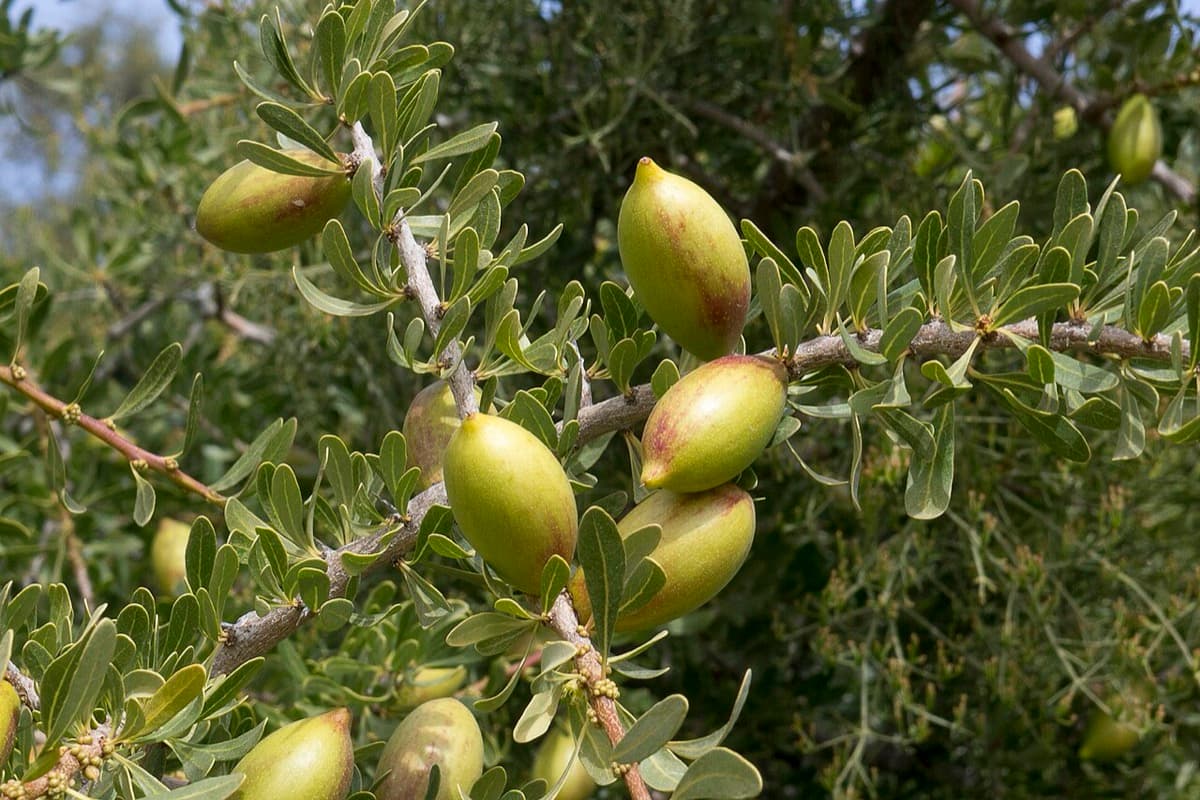
Formula choice matters too. If hair fall and a stressed scalp are your priorities, a bhringraj and amla shampoo without SLS pairs the gentle cleanse with scalp-loving Ayurvedic actives. If frizz and roughness bother you more, an argan-based smoothing shampoo adds slip and shine while it cleans — particularly useful through the humid months, when monsoon frizz is at its worst. Whichever way you lean, the full shampoo range is sulphate-free across the board.
One caveat for hard-water homes
High-TDS borewell water leaves mineral deposits on hair, and gentle surfactants remove them more slowly than SLS did. If your water is genuinely hard, give yourself a monthly clarifying wash — a slightly longer double-shampoo session — or do a final rinse with RO water. It's a small workaround for a much better weekly experience.
Give it a month
Two weeks is the minimum fair trial; a month is better, because your scalp's oil production needs time to recalibrate after years of aggressive stripping. Keep the water lukewarm, judge your hair by how it feels on day two rather than how the foam looked in the shower, and let the results argue for themselves. Most people who make it past week two don't go back.