Hair Care Guides
When hair oil leaves hair stiff, dry and tangled
03 Oct 2026 • Neemyukt Research Team
You oil the night before, wash in the morning, and instead of soft hair you get lengths that feel waxy near the roots, crunchy at the ends and knotted enough that the comb stops halfway. It is a common complaint in Indian homes, and it usually gets blamed on the oil.
The oil is rarely the whole story. How much you used, the water you washed with and what you did, or skipped, after rinsing matter at least as much.
In short: Hair turns stiff and tangled after oiling when oil residue stays on the strand, hard-water minerals settle on top of it, or the wash used to remove it strips the ends dry. Use less oil, rinse it out properly with lukewarm water and a mild shampoo, always condition the lengths, and detangle gently while the conditioner is still in.
Why does oiled hair feel stiff instead of soft?
Oil is a coating, not moisture. It can smooth the outer cuticle and reduce friction, but it does not add water to the hair. When a film of oil is left behind after washing, it stays behind as a slightly tacky layer that picks up dust and minerals, and hair feels heavy and stiff rather than supple.
Too much oil, too little rinse
It is easy to use more oil than the scalp and hair can hold. Thick oils such as castor, or coconut oil that has partly solidified in cooler weather, are especially hard to rinse out in one go. What stays behind is what you feel as stiffness at the roots.
Hard water adds a gritty layer
Many Indian cities and a lot of borewell supplies have hard water, rich in calcium and magnesium. These minerals can deposit on the hair shaft, and when they sit on top of oil residue the result is hair that feels rough, looks dull and resists a comb. The effect of local water on wash routines is covered in more detail in how often to wash your hair in Indian conditions.
The triple shampoo that overcorrects
To get heavy oil out, many people shampoo three or four times with a strong cleanser, scrubbing the lengths each time. The ends are the oldest, most weathered part of the hair, and repeated lathering strips what little natural lipid they have left. That is how you end up with greasy roots and straw-like ends on the same head.
What is making it tangle?
Tangles come from friction. A rough, mineral-coated cuticle catches on neighbouring strands. Vigorous champi that rubs the lengths together piles hair into knots, and sleeping on loose oiled hair adds hours of pillow friction. Skipping conditioner after an oil wash leaves the cuticle raised, so every strand snags on the next.
Curly and wavy hair has its own buildup pattern, which is covered separately in oiling curly and wavy hair without the buildup.
| What you notice | Likely cause | What to change |
|---|---|---|
| Waxy, heavy roots after washing | Oil not fully removed | Use less oil; massage shampoo into the oiled scalp before adding much water so it can lift the oil |
| Dry, straw-like ends | Repeated lathering of the lengths or a harsh cleanser | Shampoo the scalp only and let the rinse run through the lengths; condition the ends every time |
| Rough, dull, gritty feel | Hard-water mineral deposits | An occasional clarifying wash; a shower filter or a final rinse with filtered water where practical |
| Knots at the nape and ends | Friction during massage and sleep | Massage the scalp with fingertips, not the lengths; sleep with hair in a loose braid |
| Tacky feel and an off smell | Old or oxidised oil | Check the bottle's age; store oil away from heat and sunlight |
How to oil so hair comes out soft
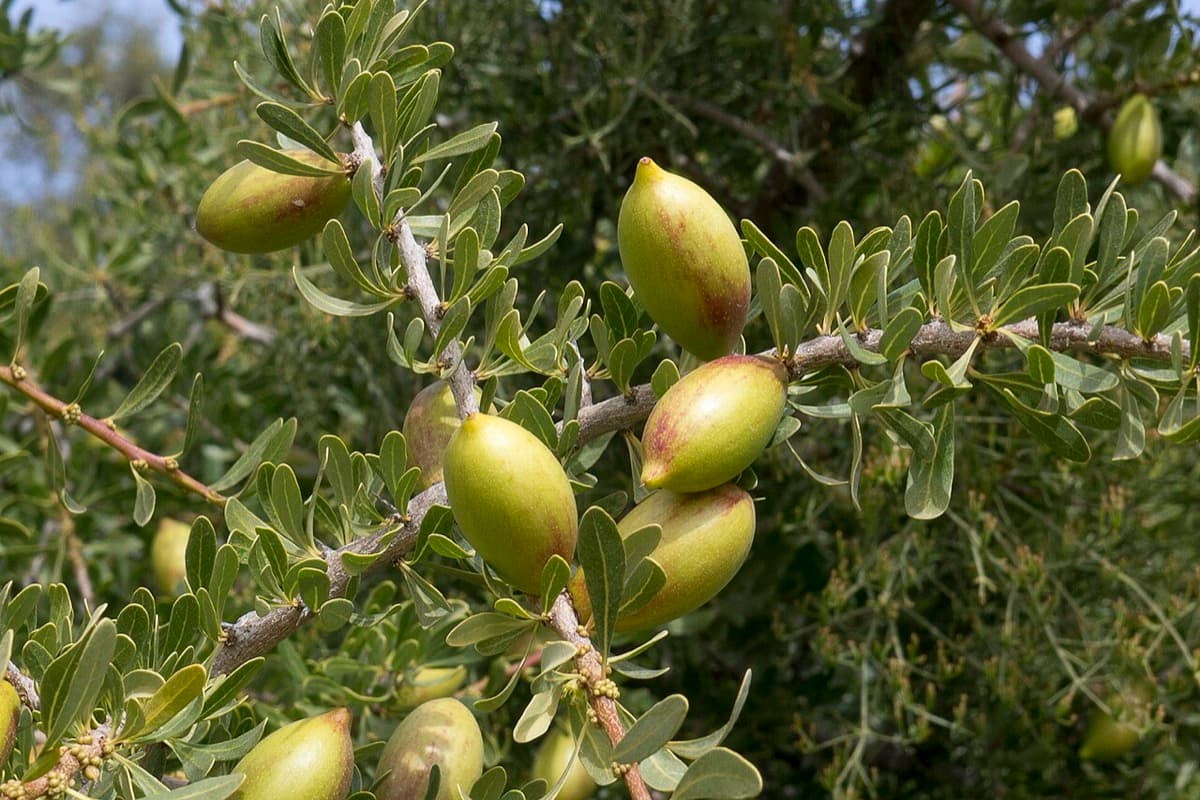
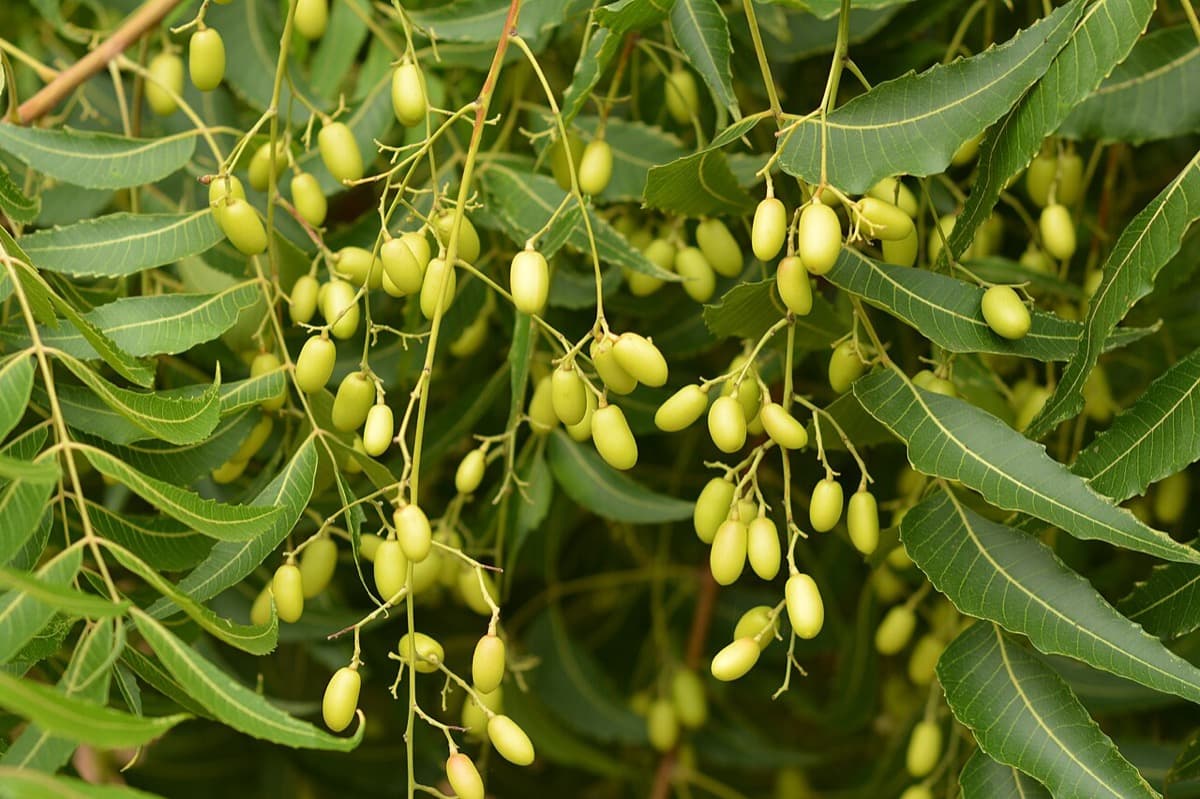
Start with less. Half a teaspoon to a teaspoon is enough for shoulder-length hair. Concentrate on the scalp and give the ends only what is left on your palms. If a thick oil keeps weighing your hair down, diluting it with a lighter carrier oil makes it easier to spread thinly and easier to wash out. Switching to a lighter-feeling blend such as a neem argan hair oil is another option if heavy oils have been the problem.
Wash with intent, not force. Use lukewarm water, which loosens oil better than cold without drying the scalp the way very hot water can. Two rounds of a shampoo on the scalp are usually enough, for example a neem bhringraj amla shampoo. If hair still feels coated, the fix next time is less oil, not more shampoo.
Never skip conditioner. After an oil wash the lengths need it most. Apply a conditioner such as a neem aloe hibiscus conditioner from mid-length to ends, leave it for a couple of minutes and rinse.
Detangle while it is slippery. Work through knots with a wide-tooth comb while the conditioner is still in, starting at the ends and moving upwards. Wet hair stretches and breaks more easily, so blot it with a soft towel rather than rubbing. The American Academy of Dermatology also recommends using conditioner after every shampoo.
When is it more than a routine problem?
Most post-oiling stiffness responds to the changes above within a few washes. See a dermatologist if hair suddenly mats into a knot that will not separate (do not cut it in a panic, as it can sometimes be loosened with professional help), if hair snaps off in clumps, or if hair stays dry and brittle whatever you change. Persistent dryness can reflect thyroid or nutritional issues that a doctor can check. Burning or itching after oiling is a different problem from stiffness and also deserves a proper look if it keeps happening.
Frequently asked questions
Should I stop oiling if my hair keeps turning stiff?
Not necessarily. Cut the amount by half, wash it out properly and condition afterwards for a few weeks before deciding. If hair still feels worse on oiling days, it may simply prefer a lighter routine or less frequent oiling.
Can I put oil on damp hair instead?
A few drops smoothed over damp ends after washing spreads much more thinly than oil on dry hair and rarely causes stiffness. That is a finishing step, though, not a replacement for a pre-wash scalp massage if you enjoy one.
Why does coconut oil feel lumpy in winter?
Coconut oil turns solid in cool temperatures, so it goes on in clumps and is hard to spread or rinse evenly. Stand the bottle in warm water until it is fully liquid before using it.
How often should I use a clarifying wash with hard water?
Occasionally, perhaps every couple of weeks, rather than every wash. Clarifying too often can dry the lengths, which brings back the problem you were trying to solve.