Hair Care Guides
Diluting a hair oil: carrier oils and why neat oil isn't always better
28 Sept 2026 • Neemyukt Research Team
It is tempting to think that if an oil is good for your scalp, more of it must be better. Pour neem oil straight from the bottle, add a generous splash of rosemary or tea tree oil, and surely the result works harder. In practice, the opposite is often true. Strong oils can irritate the scalp when used neat, they are harder to spread evenly, and some of them smell powerful enough to put you off the habit altogether.
That is where carrier oils come in. They are the milder, larger-volume oils that a stronger ingredient is mixed into, and choosing the right one matters almost as much as the active oil itself.
In short: Neem oil and essential oils are concentrated and can irritate skin, so they are usually mixed into a gentler carrier oil such as coconut, sesame, almond, olive, jojoba or argan. Essential oils should never go on the scalp undiluted. Start with a weak mix, patch test it first, and only adjust if your skin stays calm.
What is a carrier oil, and what counts as a strong oil?
A carrier oil is a fixed plant oil, usually pressed from seeds, nuts or fruit, that is mild enough to use in larger amounts. Its job is to spread a small quantity of something stronger across the scalp and hair, while adding its own softening, conditioning effect.
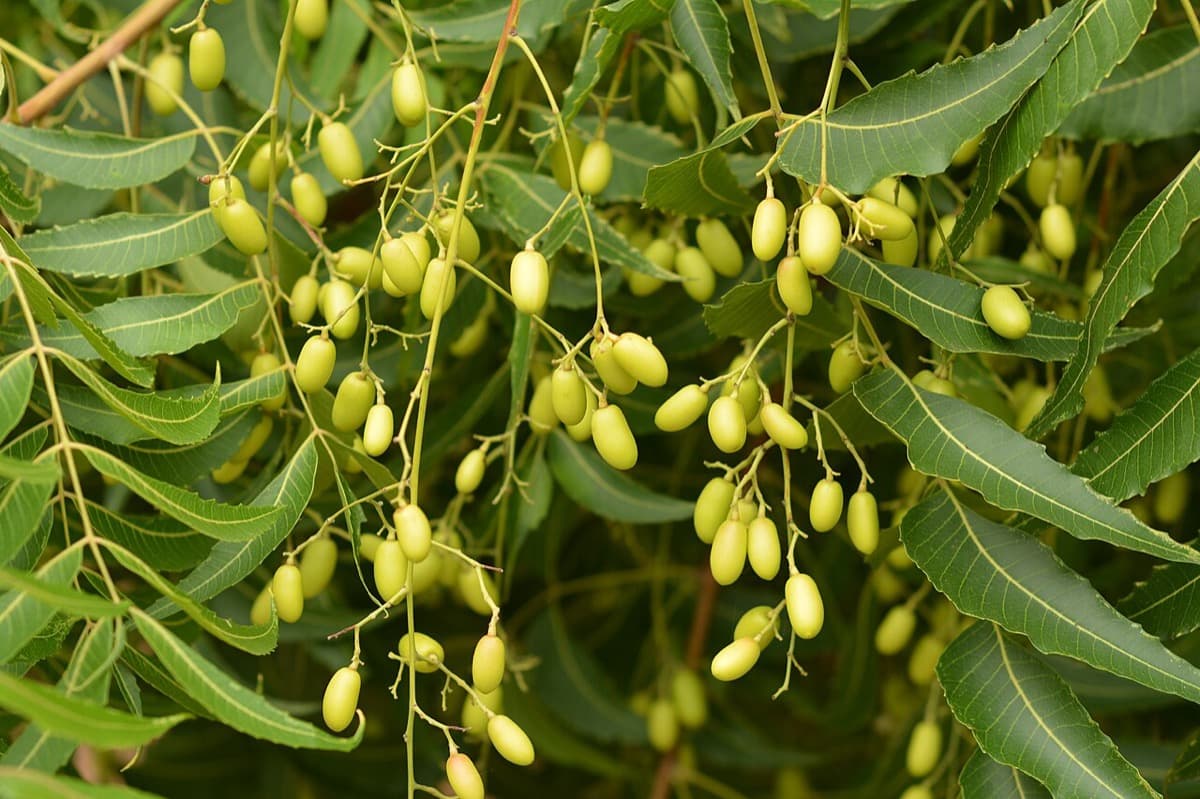
A strong or active oil is one you use in small amounts because of its intensity. Neem oil falls into this group: it is thick, bitter and pungent, and it carries a range of natural compounds that have been studied in laboratories for their effects on microbes and skin. Essential oils, such as tea tree, rosemary, lavender or eucalyptus, are stronger still. They are steam-distilled or pressed concentrates of aromatic compounds, and a single drop represents a large quantity of plant material.
Why isn't neat oil always better?
Concentration raises the chance of irritation without reliably raising the benefit. The scalp is skin, and like skin anywhere it can react to repeated contact with a strong substance. That reaction is called contact dermatitis, and the Mayo Clinic describes two forms: irritant reactions, where a substance directly damages the outer layer of skin, and allergic reactions, where the immune system becomes sensitised, sometimes only after several exposures. An oil you used happily for weeks can still start to itch or burn later.
There are practical reasons too. Neat neem oil is heavy and hard to wash out, so people tend to over-shampoo afterwards, which can leave the scalp drier than before. Its smell is strong enough that many people simply stop using it. Diluted, it spreads further, rinses more easily and is far more likely to become a steady habit. If you are curious about why neem oils differ so much in smell and thickness, our piece on how neem oil is made explains cold-pressed versus refined oil.
How do the common carrier oils compare?
No carrier oil is best for everyone. Hair texture, scalp type, climate and personal preference all play a part. This table is a practical guide rather than a ranking.
| Carrier oil | Feel on hair | Often suits | Worth knowing |
|---|---|---|---|
| Coconut | Medium, rich | Dry, thick or frizz-prone hair | Lab studies on hair fibres suggest it can reduce protein loss from the shaft. Turns solid in cooler weather. |
| Sesame | Medium, warming | Traditional champi, dry scalps | Long used in Ayurvedic massage. Choose plain, untoasted oil, not the dark cooking kind. |
| Sweet almond | Light to medium | Fine to normal hair | Mild smell. Avoid if you have a tree nut allergy. |
| Olive | Heavy | Very dry or coarse hair | Can feel greasy on fine hair and needs thorough washing. |
| Jojoba | Light | Oily scalps, fine hair | Technically a liquid wax that resembles the skin's own sebum. Rarely feels heavy. |
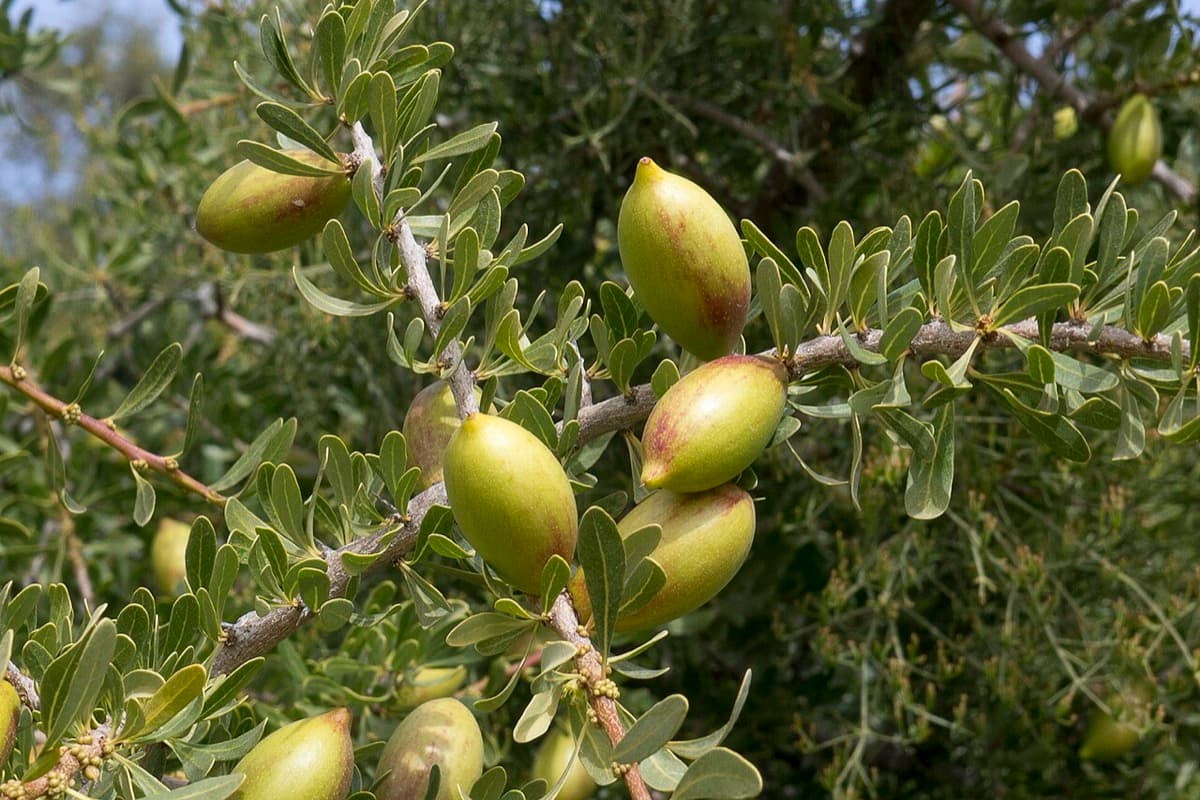
| Argan | Light | Lengths and ends, frizz | Pleasant on ends but pricier. See our honest look at argan oil. |
A simple rule of thumb: lighter carriers such as jojoba and argan suit oily roots and fine hair, while coconut, sesame and olive suit drier, thicker hair.
A cautious starting point for dilution
There is no single research-backed ratio for mixing hair oils at home, and anyone who quotes you an exact percentage as if it were proven is overstating the evidence. What follows is a conservative household starting point, not a clinical formula.
Neem oil
Begin with roughly one part neem to several parts carrier, for example a teaspoon of neem stirred into two or three tablespoons of coconut or sesame oil. If your scalp tolerates it well over a few uses, you can gradually make it a little stronger. If it feels hot, tight or itchy, weaken it or stop. A pure, cold-pressed neem concentrate is meant to be used diluted like this rather than on its own.
Essential oils
Essential oils should never be applied neat to the scalp or skin. Think in drops, not spoonfuls: a few drops in a tablespoon of carrier is plenty, and fewer is fine. Mix well each time, since essential oils do not stay evenly dispersed. Tea tree in particular is easy to overdo, as we cover in our guide to tea tree oil. Keep essential oils away from the eyes, and take extra care during pregnancy, for children, and if you have asthma or sensitive skin.
Ready-blended oils
If you would rather not measure, a pre-mixed oil takes the guesswork away. A blend such as neem and bhringraj hair oil combines neem with other oils, so it can be a supportive, convenient option for regular oiling. Adding extra essential oils to a finished blend is best avoided.
How should you patch test a new oil mix?
Apply a small amount of the diluted mix to the inside of your forearm or just behind the ear, and leave it for 24 to 48 hours without washing. Redness, itching, swelling or small bumps mean the mix is not right for you. No reaction is reassuring but not a guarantee, since sensitisation can develop over time, so stay alert in the first few weeks of use.
When to stop and see a dermatologist
Oiling is a supportive habit, not a medical treatment. Stop and see a dermatologist if you notice a spreading rash, weeping or crusting, severe itching, or patchy hair loss. Persistent flaking may be a scalp condition that needs treatment rather than more oil. Our guide to dandruff versus dry scalp can help you tell the difference first.
Frequently asked questions
Can I use neem oil neat on my scalp?
Some people tolerate it, but it is heavy, strongly scented and more likely to irritate when undiluted. Mixing it into a carrier is the gentler default.
Which carrier oil is best for an oily scalp?
Lighter options such as jojoba tend to feel less greasy. Apply mainly to the scalp and keep the amount small.
Can I mix several essential oils together?
You can, but the total number of drops should stay low. More oils means more chances of a reaction, so introduce one at a time.
How often should I use a diluted oil?
That depends on your scalp and hair type. We cover it separately in how often should you oil your hair.