Body & Bath
Soap and sensitive skin: what to look for
07 Oct 2026 • Neemyukt Research Team
Sensitive skin makes soap shopping expensive in a particular way. A bar stings on the first wash, or leaves your shins itching by the third day, and joins the rejects at the back of the cupboard. Four or five of those cost more than one bar that suits you.
A label does carry real signal. A few details genuinely predict how a bar behaves on reactive skin, while most of the words on the front of the pack predict nothing. Our sensitive-skin ingredient checklist covers leave-on products; this is about the bar in your bathroom.
In short: Four things on a soap label do most of the predicting: how heavily it is fragranced, what the cleansing base is, whether the glycerin stayed in, and how long the ingredient list runs. Natural, herbal, gentle and dermatologically tested tell you very little. Test any new bar on one small patch for three days before it reaches your face or the rest of you.
The four label details that predict irritation
Fragrance, including the natural kind
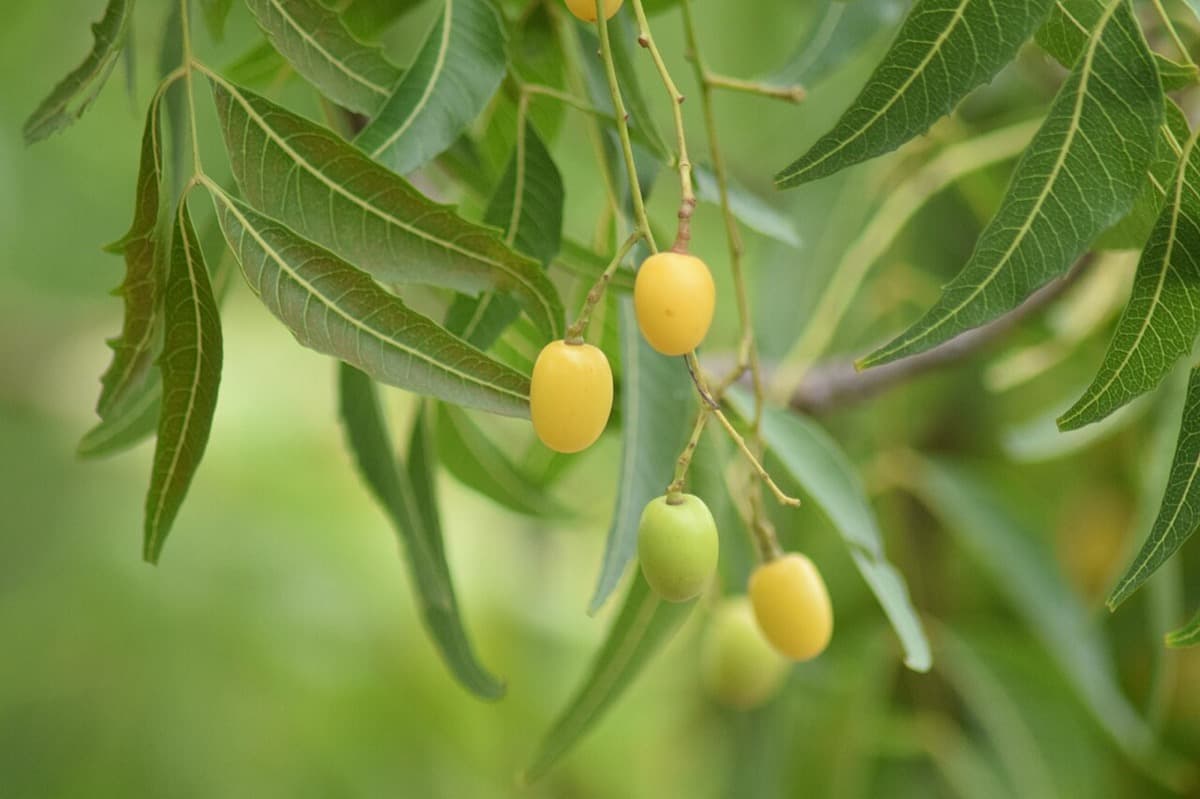
Read the fragrance position first. Fragrance materials, whether listed as parfum, as fragrance or as individual essential oils, are among the commonest causes of allergic contact dermatitis from cosmetics, as the US National Library of Medicine's overview of contact dermatitis notes. Plant origin is no protection: limonene, linalool and eugenol occur naturally in essential oils and sit among the fragrance allergens European labelling rules require to be named. For a starting point, patch test the neem and cucumber soap bar, a glycerin-based, SLS-free bar at ₹499 for 100g, before you try anything heavily perfumed.
What actually does the cleaning
Check the first two or three ingredients. Sodium palmate, sodium cocoate or sodium tallowate mean true soap, which is alkaline by chemistry and stays that way whatever else is added. Sodium cocoyl isethionate or sodium lauroyl sarcosinate mean a synthetic detergent bar, which can be built closer to skin's own mildly acidic surface. Sodium lauryl sulphate high on the list is a familiar irritant in concentration. What that pH gap does to the barrier is covered in soap pH and the skin barrier. Very reactive or eczema-prone skin often does better on a syndet bar than on any soap, which is worth saying plainly.
Whether the glycerin stayed in
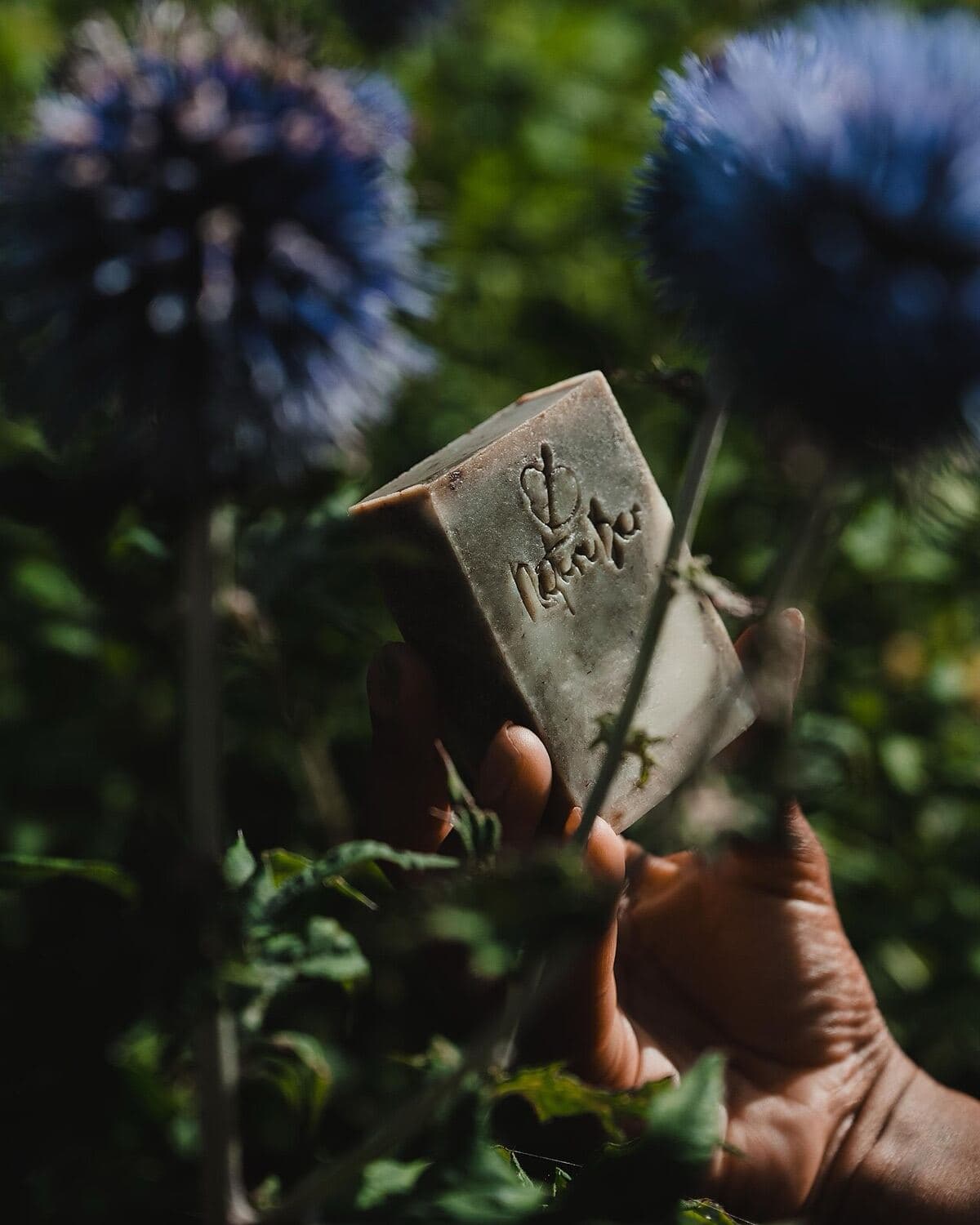
Glycerin forms during soapmaking and holds water at the skin surface. Large-scale production often separates it out, because glycerin is worth money elsewhere and a bar without it is harder and slower to wear down. Bars that keep it usually feel less tight after rinsing, which matters more to sensitive skin than any botanical in the formula. That group includes our own neem and aloe vera glycerin soap bar, also ₹499 for 100g and SLS-free, though it is still true soap and still alkaline.
How long the list runs
Every additional ingredient is one more thing to react to, and dyes, opacifiers and a long fragrance block give reactive skin plenty to trip over while returning little. Ingredients are listed in descending order of quantity, though under several labelling systems those below about one percent may appear in any order, a point reading a soap ingredient list covers in detail.
What the front of the pack does not tell you
Most of the reassuring phrases on soap packaging are unregulated, and one or two actively mislead people with sensitive skin.
| Label phrase | What it actually tells you |
|---|---|
| For sensitive skin | No agreed definition or test sits behind it. The ingredient list still decides. |
| Dermatologically tested | That a test happened. Not what it measured, on how many people, or the result. |
| Natural or herbal | Origin, not gentleness. Several of the commonest fragrance allergens are plant-derived. |
| Handmade | Scale of production. A handmade bar is still true soap and still alkaline. |
| pH balanced | Meaningful on a syndet bar. A true soap cannot sit at skin pH. |
How to test a new bar in three days, not a week of misery
A patch test built for a rinse-off product
Test the bar the way you would use it, somewhere that does not show. Wet the inner forearm, work up a small lather, leave it about a minute, which is longer than a real wash, then rinse and pat dry. Repeat on the same spot once a day for three days, checking the skin ten minutes later, a few hours later and again the next morning. Three days rather than one, because plain irritation usually shows within hours while an allergic reaction can take two to four days to appear.
Then one region, not your whole routine
If the patch stays quiet, use the bar on arms or legs for a week of ordinary washing before it goes anywhere near your face. Change nothing else at the same time, or you will not know what caused what. Skin that is currently inflamed waits until it has settled.
When to stop rather than persevere
Stinging during the wash, itching within the hour, small bumps, or shins that turn rough and flaky are all reasons to stop. Unlike some actives, a cleansing bar has no adjustment period to earn. A patch test lowers the risk without removing it, since sensitivity can also develop after months of comfortable use.
What ₹499 actually buys
A 100g bar at ₹499 costs several times what a supermarket bar of the same weight costs, and anyone buying for sensitive skin is right to ask what the difference pays for. In a well-made bar it should pay for three things: a glycerin-rich base rather than one with the glycerin taken out, a shorter and plainer ingredient list with less in it to react to, and restraint with fragrance and colour. Read the list to check all three are actually there.
Be equally clear about what the money does not buy. It does not make a bar hypoallergenic, since any botanical, neem included, can be the one ingredient a particular person reacts to. It does not change the chemistry: true soap is alkaline at any price, so if a dermatologist has advised a non-soap cleanser, a costlier soap is not a substitute. Nor does it last longer. Glycerin-rich bars are softer and dissolve faster, so keep the bar on a draining dish away from the shower spray or the cost per wash climbs.
When the soap is not the problem
Plenty of post-bath irritation has nothing to do with the bar. Hot water, long showers, the hard water common across urban India, a rough loofah, detergent left in towels and skipping moisturiser all produce the same tight, itchy result.
If skin stays itchy, cracked or scaly for more than a fortnight despite a gentle routine, see a dermatologist rather than cycling through more bars. Eczema, contact allergy and fungal infections look similar at home and need different treatment, and a specialist can run proper patch testing to name the allergen, which no amount of label reading will do.
Frequently asked questions
Is a bar always harsher than a body wash?
No. The base and the fragrance load matter far more than the format, and a heavily perfumed liquid wash can irritate more than a plain bar. Short contact, lukewarm water and moisturiser within a few minutes of towelling off help more than switching format.
Does unscented mean there is no fragrance?
Not necessarily. Unscented sometimes means a masking fragrance was added to cover the smell of the raw oils. Fragrance free is the stronger claim, and the ingredient list is the only reliable check.
Can neem suit sensitive skin at all?
For some people yes, for others no. Neem carries its own plant compounds and a strong natural smell, and sensitive skin is individual by definition. A patch test answers it for you faster than any general rule.