Hair Care Guides
Overnight oiling or an hour before washing: what the scalp needs
28 Sept 2026 • Neemyukt Research Team
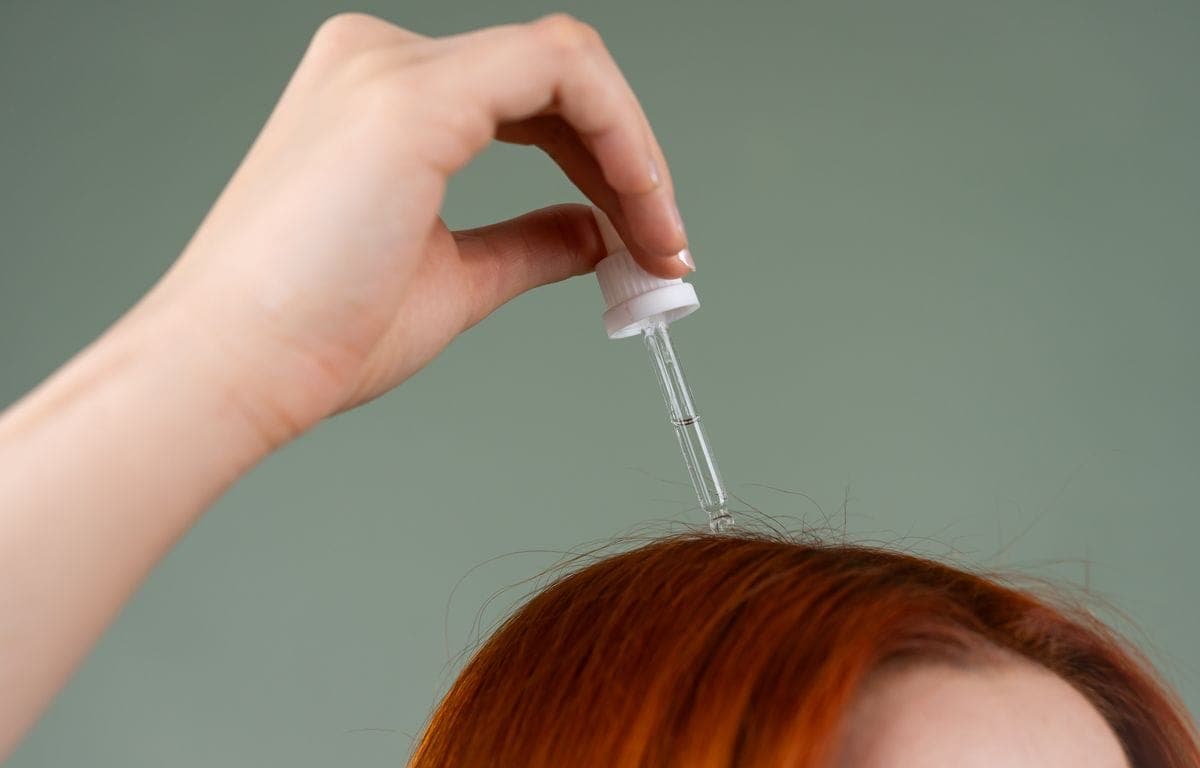
Many of us grew up with oil massaged in on Saturday night and washed out on Sunday morning. But how long oil should stay on is really two questions: what it does for the hair shaft, and what it does to the scalp while it sits there. The lengths are dead keratin that benefit from a protective coat before shampoo. The scalp is living skin with oil glands, resident yeast and follicles that can clog. Treating them as one thing is where overnight oiling often goes wrong.
In short: For most people, oil applied 30 minutes to an hour before washing appears to give the hair shaft most of the protective benefit, without leaving the scalp coated for eight hours. Overnight oiling is reasonable for dry, dandruff-free scalps, but people with dandruff, seborrhoeic dermatitis, an oily scalp or breakouts along the hairline are usually better off keeping oil short and mostly on the lengths.
What does pre-wash oiling actually do?
Its main job is protecting the hair shaft during washing. Wet hair swells and then shrinks as it dries; repeated often, along with the stripping effect of shampoo, that cycle lifts the cuticle and lets protein leach out. Oil applied beforehand slows water uptake and softens the detergent's effect.
Laboratory work on coconut oil, published in the Journal of Cosmetic Science in 2003, found that it reduced protein loss from hair when used as a pre-wash treatment, and it appears to penetrate the shaft better than many other oils because of its fatty-acid profile. That was hair-fibre research, not a trial on people's scalps, but it supports the traditional logic of oiling before a wash.
The important detail is that this protection builds up fairly quickly. Oil needs time to settle into the cuticle, but there is little evidence that eight hours does much more for the shaft than 30 to 60 minutes. For a refresher on technique itself, our guide to champi without the grease trap covers the massage and quantity side.
Why a long soak can be hard on some scalps
Scalp skin already makes its own oil. Adding more and leaving it all night in a warm, humid room matters for certain people.
Dandruff and seborrhoeic dermatitis
Flaking conditions are linked to Malassezia, a yeast that lives on everyone's scalp and feeds on lipids. In people prone to dandruff or seborrhoeic dermatitis, the skin reacts to by-products of that yeast with itching, redness and scale. MedlinePlus describes seborrhoeic dermatitis as a condition of oil-rich areas such as the scalp, and many plant oils contain exactly the fatty acids the yeast uses. A thick layer left overnight can make flaking worse rather than better. If you are unsure whether your flakes are dryness or dandruff, check the difference first; flakes from dryness respond to oil, dandruff flakes usually do not.
Oily scalp
A scalp that turns shiny by the next morning is already supplying plenty. Long oiling adds weight and can leave a film that needs aggressive or repeated shampooing to remove, which some people find leaves the scalp irritated.
Acne on the hairline, forehead or back
Heavy oils and hair products can migrate onto the forehead, temples and upper back as you sleep and block pores there. Dermatologists sometimes call this pattern acne cosmetica or pomade acne. If you notice small bumps along the hairline, overnight oiling is worth suspecting.
Overnight or one hour: a side-by-side view
| 30 to 60 minutes before washing | Overnight | |
|---|---|---|
| Protection for hair lengths | Good | Likely similar; no clear evidence of extra benefit |
| Oil sitting on scalp | Brief | Many hours in warm conditions |
| Dandruff or seborrhoeic dermatitis | Usually tolerated if kept light | Often worsens flaking and itch |
| Hairline and forehead acne | Low risk | Higher risk from transfer while sleeping |
| Pillowcase and bedding | Unaffected | Absorbs oil; needs frequent washing |
| Best suited to | Most scalp types | Dry, flake-free scalps with coarse or very dry lengths |
Is overnight oiling ever the better choice?
Yes, for some people. If your scalp is dry but not flaky, and your lengths are coarse, curly or chemically processed, a longer soak can feel more nourishing and you may see no downside. A reasonable compromise is to oil the mid-lengths and ends overnight and keep the scalp itself to a light touch or skip it. A lighter blend such as a neem and argan hair oil suits that lengths-first approach. How many times a week to do any of this is a separate question, answered in how often should you oil your hair.
If you do oil overnight, look after the pillowcase
An oiled head leaves oil, sweat and skin cells on the pillowcase, which then sits against your face for days. Change the case after every oiling night, or cover it with an old cotton towel you wash separately. A loose braid keeps hair off the pillow and your cheeks. Wash cases in warm water, since oil left in fabric turns stale.
How do you wash oil out properly?
Incomplete washing is the other half of the problem, because leftover oil keeps the scalp coated long after you have stepped out of the shower.
- Apply shampoo before water. Working shampoo into oiled hair while it is still dry lets the surfactant grab the oil before water makes it slippery.
- Shampoo twice. The first wash lifts most of the oil; the second cleans the scalp. A herbal wash such as a neem, bhringraj and amla shampoo is a supportive, clarifying option for this step.
- Use fingertips and lukewarm water. Nails scratch; very hot water strips the scalp and cold water struggles to shift oil.
- Check the roots once dry. If they feel waxy, you used too much oil or rinsed too briefly.
When to stop oiling and see a dermatologist
Oil is a care step, not a medical one. If flaking is thick, yellowish or spreading to your eyebrows or behind your ears, if the scalp is red and itchy despite gentle washing, or if hairline bumps persist, see a dermatologist. Seborrhoeic dermatitis often needs antifungal treatment such as ketoconazole shampoo, and persistent acne may call for options like benzoyl peroxide or adapalene. Pausing oiling while that is sorted out is usually wise.
Frequently asked questions
Can oil left overnight cause hair fall?
Oil itself is not a known cause of hair fall. But if overnight oiling worsens dandruff or seborrhoeic dermatitis, the resulting itching and scratching can add to breakage and shedding.
Should I oil my scalp at all if I have dandruff?
Keep it light and brief, or oil only the lengths. If flaking continues, get the dandruff managed first and reintroduce oil later.
Is a neem hair oil safer for overnight use?
It is still an oil on the scalp, so the same cautions apply. A product like neem bhringraj hair oil fits well into a pre-wash routine, but people with flaky or acne-prone skin should still keep contact time short.