Ingredient Science
Kesar for glow: separating the ritual from the result
11 Oct 2026 • Neemyukt Research Team
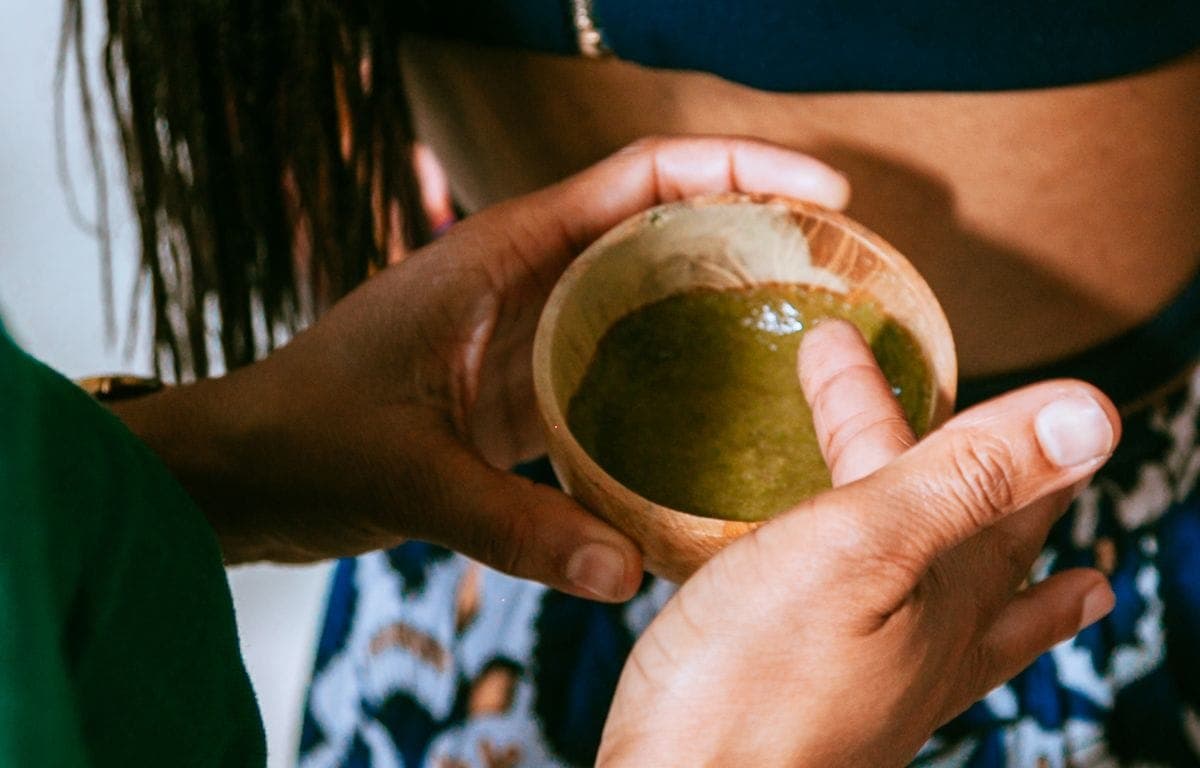
A steel plate on the kitchen floor, a few strands of kesar crushed between two fingers, gram flour, a pinch of haldi, milk from that morning. Someone's aunt mixes it while the bride sits with her hair tied back, complaining about the smell. Two weeks of this, and afterwards everyone agrees her skin looked different.
They are not imagining it. The question is which part of that fortnight did the work, because kesar gets the credit and kesar is one small strand of it.
In short: Glow is a surface property, not a shade. Light reflects evenly off smooth, well-hydrated skin and scatters off skin that is rough or flaking, which is what reads as dull. A wedding ubtan usually delivers something real because gram flour, curd, milk, slow hands and weeks of rest all work on that surface at once, and kesar is one strand of the bundle.
What is happening when skin looks like it is glowing
The outer layer of skin is a stack of flat, dead cells that sheds constantly. When those cells are hydrated and lying flat, light bounces off in roughly one direction and skin reads as glowing. When the surface dries out, the cells lift at their edges, light scatters every which way, and that scatter is what we call dull.
So two things move it: taking loose dead cells off, and putting water back with something to hold it there. Skin roughens and flakes for reasons ranging from weather to soap to age, as the MedlinePlus page on dry skin sets out, and the change is textural rather than one of colour. That distinction matters more in Indian beauty writing than almost anywhere. An ubtan does not change the pigment your skin produces, and any promise built the other way round is selling something other than what it says.
Why the ubtan usually does deliver something
Pull the bowl apart and most of it is doing recognisable work. Gram flour is a mild physical exfoliant that also absorbs surface oil. Curd brings lactic acid, gentle at kitchen concentrations, plus water and a little fat. Milk and malai leave a film that slows water loss. Turmeric has its own long record, covered in our piece on turmeric and the evidence behind ubtan. The kneading brings a temporary flush to the surface, which is why faces look lively for an hour after any facial massage.
Then there is everything around the bowl. The fortnight before a wedding is usually the most looked-after fortnight of someone's year: earlier nights, more water, home food, no makeup, someone else running the errands. Skin answers to all of that, which is the case our piece on glow as a system rather than a product makes at length. The ritual works, and it works as a bundle. Crediting the kesar alone is like crediting the garnish for the meal.
Reading the bowl
| Part of the bowl | What it plausibly does | Keep it on the face? |
|---|---|---|
| Gram flour (besan) | Mild exfoliation, absorbs surface oil | Yes, with water and light pressure |
| Curd or milk | Lactic acid, water and a little fat | Yes, fresh and rinsed off the same day |
| Turmeric | Long traditional use; kitchen haldi stains more than cosmetic grades | Small amounts, after a patch test |
| Kesar strands | A few strands in a large bowl is a very small dose | Harmless, but not why it worked |
| Mustard or sesame oil | Occlusive film that slows water loss | Body yes; oily or acne-prone faces usually no |
Which parts to keep, and which belong back in the kitchen
Keep the rhythm: once a week is plenty for a paste on the face, and daily scrubbing with gram flour strips a barrier faster than it smooths one. Keep the slow hands, because pressure does the damage, not the flour. Keep the habit of moisturising while still damp from the rinse, the most useful minute in the whole ceremony. And keep the fortnight around it, which is doing more than the bowl is.
Leave some things behind. Lemon juice turns up in many home versions and is a poor addition: too acidic for facial skin, and citrus juice left on skin can cause a blistering reaction in sunlight. Nothing abrasive belongs on inflamed acne, and a weekly paste is a mask rather than a routine. Loose powders sold by weight out of a sack cannot be verified at home, so keep the recipe to things you can recognise.
Kesar soaked in milk, specifically
Two cautions, neither about whether saffron is any good. Milk standing at Indian room temperature is a good growth medium, so an overnight paste is not a preserved formula: mix it, use it, throw the rest out. And saffron is among the most adulterated ingredients sold anywhere, with dyed safflower, coloured maize silk and padded stems all common, none of which a home user can check.
Where a bottled version fits
It fits the person who is never going to do any of this. A formulated product does a small thing daily instead of a large thing occasionally, it is preserved, and the dose in week six matches week one. Whether saffron earns that slot at a usable concentration, and what it costs, is handled in a separate piece on whether saffron in skincare is worth it or decoration; the ingredient case sits in why kesar earns its price.
The pairing people ask about is a morning antioxidant step and a light leave-on: the Neem Kesar AM Antioxidant Toner at ₹849 for 100ml and the Neem Kesar Glow Gel at ₹849 for 50ml, both pre-launch. Treat either as supportive. A sunscreen you reapply and a moisturiser you use nightly will do more for texture than most single actives on a shelf, and if dullness comes with persistent flaking, itching or a rash that will not settle, see a dermatologist.
Frequently asked questions
Does an ubtan change skin tone?
No. It changes surface texture and hydration, which changes how evenly light reflects off the face, and that is what people are describing when they say someone is glowing. Pigment is made deeper down than a kitchen paste reaches.
Is the kesar doing anything, or is it the gram flour?
In a home bowl, a few strands in a large quantity of flour and milk is a very small dose, and the flour, curd and massage account for most of what you see. Whether it does more at a formulated concentration is a separate question.
Can I drink kesar milk for my skin instead?
Kesar in milk is a pleasant habit with a long history and no reason to stop, but it has not been tested for any effect on how your face looks. If the glass replaces a late-night coffee, the sleep may be doing more than the saffron.