Ingredient Science
Multani Mitti and Kaolin: What Clay Actually Does to Your Skin
02 Sept 2026 • Neemyukt Research Team
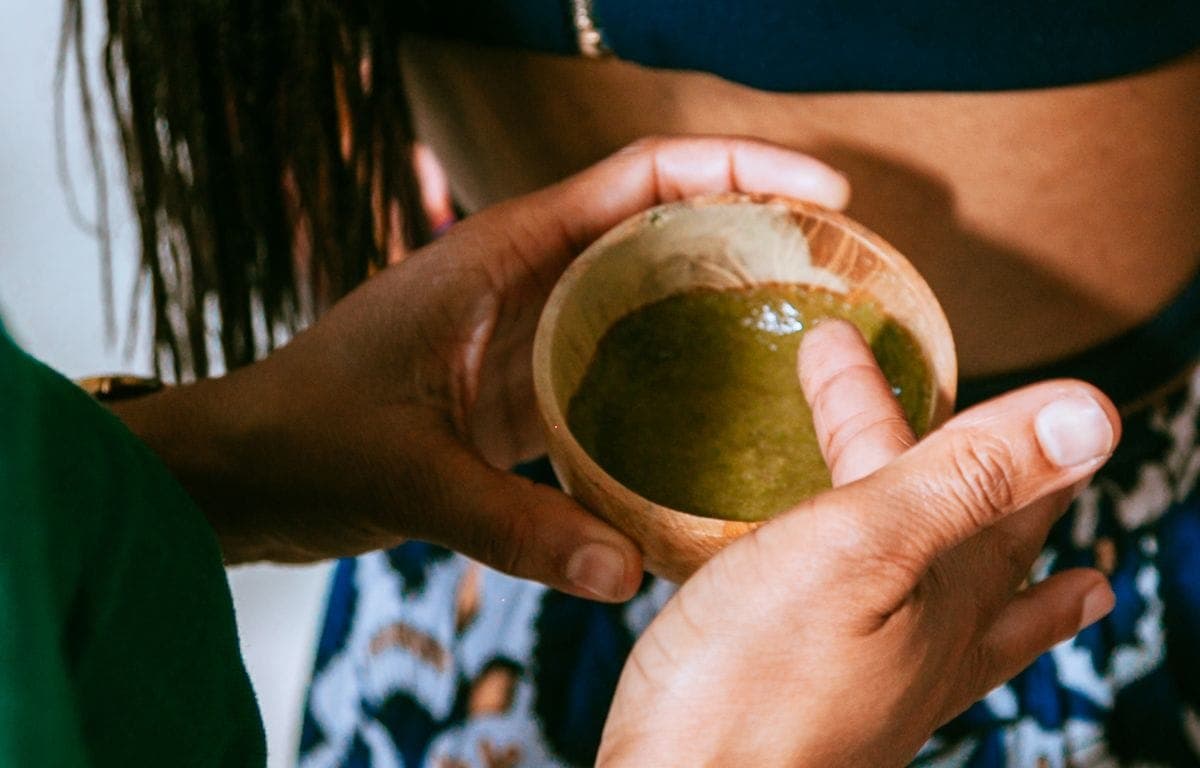
Almost every Indian household has a packet of multani mitti somewhere. It gets mixed with rose water before weddings, slapped on in May when the face feels like an oil slick, and passed down as advice from people who have never once read an ingredient label. That familiarity is a good thing. It also means clay carries a lot of claims it cannot actually deliver.
Clay is a mineral, not a medicine. Understanding what the mineral physically does, and what it physically cannot do, changes how you use it and how satisfied you are afterwards.
In short: Multani mitti, kaolin and bentonite masks all work by adsorption. Charged mineral surfaces bind surface oil, sweat and loose debris, and the mask carries them off when you rinse. That is real and useful for oily and combination skin, but clay does not pull "toxins" out of your body, does not permanently shrink pores, and stops doing the useful part once you let it dry to a cracked, tight film.
Clay, mineralogically
Cosmetic clays are hydrated aluminium silicates: microscopic mineral platelets, stacked like pages, weathered out of volcanic and sedimentary rock over long geological time. The platelets carry a net negative charge on their surfaces.
That charge, plus how much water the platelets can take in between their layers, is most of the story. Kaolinite carries considerably less charge than montmorillonite, and it does not swell — which is the short answer to why kaolin is the gentler clay.
Multani mitti is the South Asian name for fuller's earth, historically used to degrease raw wool, which tells you something honest about its behaviour. Commercially, "fuller's earth" usually means a montmorillonite-rich clay of the smectite family, though attapulgite-type clays are sold under the same name, and the specific mineral mix varies with the mine it came from. That variability is why two packets of multani mitti can feel noticeably different on the same face.
Kaolin, or china clay, belongs to a different mineral family altogether. Its layers are tightly bound, so it takes on very little water and stays mild. Sodium bentonite sits at the far end: it is the sodium-exchanged form of the same smectite family multani mitti usually belongs to, which is exactly why it swells so dramatically and dries to a much tighter film.
Adsorption is not absorption
These two words get swapped constantly and they mean different things. Absorption is soaking up, the way a sponge holds water. Adsorption is sticking to a surface: oil and charged particles cling to the outside of the clay platelets. Clay does both, but adsorption is the mechanism doing most of the visible work on skin.
What does a clay mask genuinely do?
Four things, all of them modest and all of them real.
- It removes surface oil. Sebum sitting on the skin, and whatever sits right at the follicle opening, binds to the clay and rinses away. Skin looks less shiny for several hours. On a humid Mumbai afternoon that is a legitimate comfort.
- It cleans mildly and mechanically. Fine mineral particles lift loose dead cells and grit as the mask comes off. This is gentler than a scrub and does not need repeating often.
- It cools. Water evaporating from the mask genuinely lowers skin temperature. In Indian summer that sensation is half the appeal, and there is nothing wrong with valuing it.
- It temporarily tightens. As the film dries it contracts and pulls slightly on the skin's surface. Everything about that effect is temporary and reverses within hours.
Clay is also a carrier. Turmeric, sandalwood and gram flour have been mixed into clay bases for generations. The clay is not doing their work and does not add to it. It is the vehicle.
Which clay suits which skin?
The differences are practical rather than dramatic, and the right choice mostly depends on how oily you actually are.
| Clay | Mineral family | Swelling and tightening | Best suited to | Main caution |
|---|---|---|---|---|
| Multani mitti (fuller's earth) | Smectite, montmorillonite-rich | Moderate to strong | Oily and combination skin, humid months | Composition varies by source; can over-dry |
| Kaolin (china clay) | Kaolinite, non-swelling | Minimal | Normal, dry, sensitive or reactive skin | May feel underwhelming on very oily skin |
| Sodium bentonite | Smectite, sodium-exchanged | Highest | Very oily skin, occasional targeted use | Tightens hard; easiest to overuse |
If your skin stings with most things, start at the kaolin end and keep the rest of the routine simple before layering anything else on top. A formulated option such as our Neem Clarifying Clay Face Pack is buffered with other ingredients rather than being raw powder, which is usually the more forgiving starting point.
What clay does not do
- It does not draw out toxins. Your liver and kidneys clear metabolic waste. Skin is a barrier, not an exit route, and there is no mechanism by which a mineral sitting on the stratum corneum reaches into the bloodstream and removes anything. When someone shows you the "impurities" left on a used mask, they are showing you sebum, sweat salts, makeup and the clay itself.
- It does not permanently shrink pores. Pore size is largely genetic and influenced by sebum output, sun damage and age. Clay empties the opening slightly and reduces the shadow, so pores look smaller for a few hours. Worth having, but cosmetic, and it resets. The fuller picture is in what actually helps open pores.
- It does not pull blackheads out. A blackhead is an oxidised plug wedged inside the follicle. A drying film on the surface has no grip on it.
What does reach into the follicle is a lipid-soluble exfoliant, which is why salicylic acid is the more honest tool for that job. It appears in leave-on cosmetic products, including our Neem BHA Clarifying Toner, and at higher strengths in treatments a dermatologist prescribes.
Why over-drying backfires
Once the mask goes past damp and reaches cracked, it has done what oil removal it is going to do, and starts pulling water from the upper skin layers instead. The American Academy of Dermatology puts it bluntly in its guidance on relieving dry skin: dry skin is damaged skin, and moisturiser works best applied while skin is still slightly damp.
Dehydrated skin also tends to feel oilier within a day or two, though how much of that is genuinely increased sebum rather than a stripped, uncomfortable surface is not well settled. Either way, the fix is the same. Take the mask off while it is still slightly tacky. Ten to fifteen minutes is plenty.
Fitting clay into a routine
Treat it as an occasional reset, not a daily step. Once or twice a week is enough for oily skin, less in winter, and applied to the areas that are actually oily rather than the whole face by default. Follow immediately with a light moisturiser such as our Neem Aloe Gel Moisturiser while skin is still slightly damp, which supports the barrier rather than leaving it stripped.
Avoid stacking clay with a retinoid, a strong acid or a physical scrub in the same session. Space them across different days. If you are building the daily framework around it, a realistic morning routine for oily skin covers sequencing in more detail.
When it is not an oil problem
One honest limit: clay manages oil, it does not treat acne. If you have painful cystic lesions, spreading itchy bumps, or breakouts that have not responded to gentle care over a couple of months, see a dermatologist. Small itchy uniform bumps across the forehead and chest in particular may be malassezia-driven and need antifungal treatment from a doctor rather than any cosmetic mask.
Frequently asked questions
How often should I use a clay mask in Indian summer?
Once or twice a week is usually enough, even in peak humidity. Daily use tends to leave skin tight and reactive rather than balanced. If you want more frequent oil control, a light mattifying step during the day is the gentler option.
Can I use multani mitti if my skin is dry or sensitive?
Multani mitti is strong for dry skin. Kaolin is the milder mineral and a better starting point, used sparingly and removed early. If your skin flushes or stings easily, patch test first and keep the rest of that day's routine simple.
Is raw multani mitti powder better than a formulated clay mask?
Not necessarily. Raw powder is cheap and unpredictable, since its mineral composition depends on the source, and it dries hard very quickly. Formulated masks add humectants and buffers that slow the drying, which is generally kinder to the barrier.
Should I mix lemon juice into my clay pack?
No. Lemon juice is highly acidic, irritating for many people, and certain citrus compounds can cause a phototoxic reaction in sunlight. If you want that traditional feel without the risk, a formulated ubtan-style cleanser is a far more controlled way to get it.
Clay earns its place in Indian skincare on merit: it is cheap, it is cooling, and it genuinely takes oil off the skin. It just never was a detoxifier, and it was never going to fix your pores. Used at the right frequency and removed before it cracks, it is a reliable small tool. If the underlying problem is acne rather than oil, that is a conversation for a dermatologist, not a mask.