Hair Care Guides
Coconut, castor, argan or neem: choosing an oil by hair type
01 Oct 2026 • Neemyukt Research Team
Most Indian homes have at least one bottle of hair oil on the shelf, usually coconut, and usually chosen because it is what the family has always used. That is a reasonable starting point, but the four oils people ask about most behave very differently once they are on hair. Coconut, castor, argan and neem differ in weight, in how they interact with the strand, and in what they leave behind on the scalp. Choosing by hair type rather than by habit saves a lot of flat, greasy or itchy experiments.
In short: Coconut oil suits medium to thick, dry or chemically treated hair and has the clearest laboratory evidence of the four for reducing protein loss during washing. Argan is the lighter choice for fine, frizzy or colour-treated lengths, castor works best in small amounts on very dry ends and brows, and neem belongs on the scalp in diluted form rather than on the lengths. None of them regrows hair on its own.
What does "hair type" actually mean when picking an oil?
For this decision, three things matter more than whether your hair is straight or curly. The first is strand thickness: fine strands are easily weighed down, while coarse strands can carry a heavier oil without going limp. The second is the condition of the lengths, because bleached, coloured or heat-styled hair loses some of its smooth outer cuticle and feels dry however much you condition it.
The third is the scalp, which can be oily, dry or flaky quite independently of the lengths. That is why many people end up needing two approaches: one for the ends and a different, lighter one (or none at all) for the roots.
How the four oils behave
Coconut oil
Coconut oil is dominated by lauric acid, a small fatty acid that can move into the hair shaft instead of only coating the surface. A laboratory study in the Journal of Cosmetic Science found that coconut oil used before and after washing reduced protein loss from hair, which mineral oil and sunflower oil did not (abstract on PubMed). It turns solid below roughly 24°C, so in a North Indian winter it needs warming between the palms. Some people find it leaves already coarse hair feeling stiff rather than soft; if that happens, switch oils rather than using more.
Castor oil
Castor oil is thick, sticky and made up mostly of ricinoleic acid. Its reputation for growing hair rests largely on tradition and anecdote; there are no good human trials showing it regrows scalp hair. Where it earns a place is as a tiny amount sealed onto very dry ends or brushed through brows, kept well away from the eyes. It is hard to rinse out, and published case reports describe sudden, severe matting of long hair after heavy castor oil use, so dilute it with a lighter oil and keep quantities small.
Argan oil
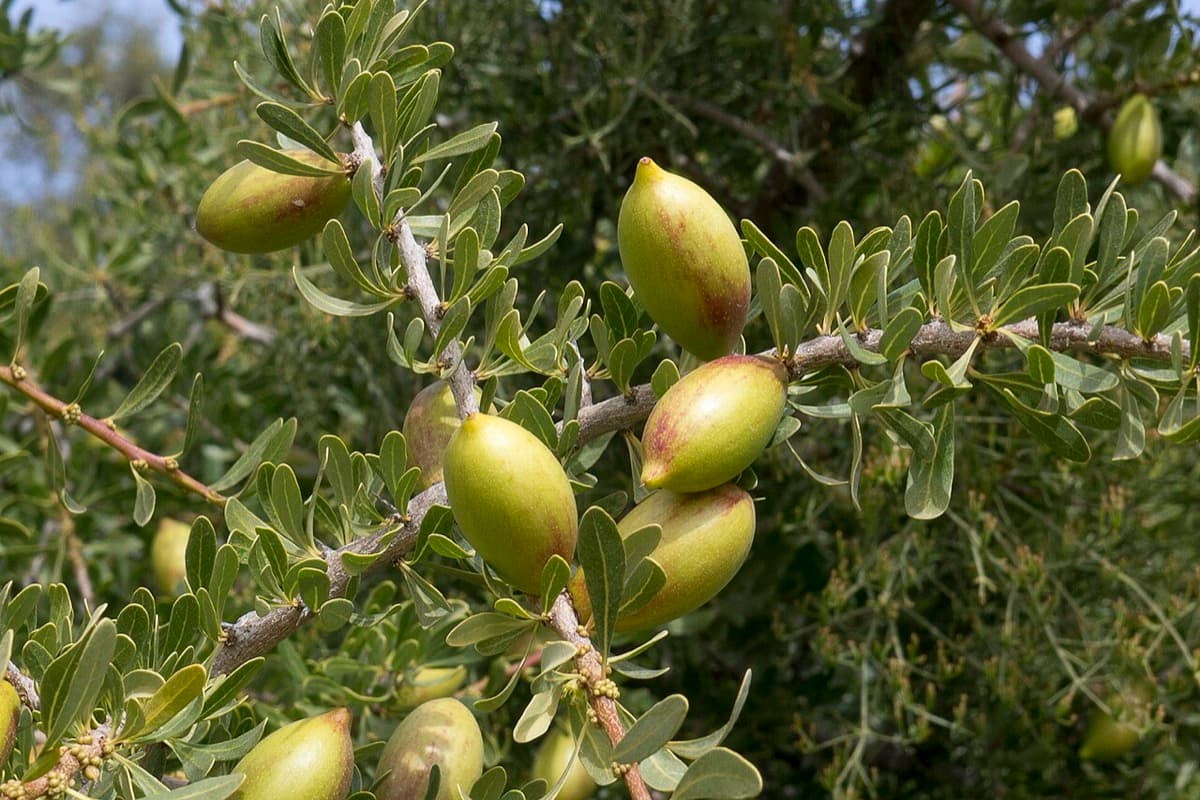
Argan is light, absorbs quickly and is rich in oleic and linoleic acids plus vitamin E. Most of its benefit is on the surface: it smooths the cuticle, cuts frizz and adds shine without much weight. We have covered its strengths and limits in Argan oil, honestly, so the short version here is that it suits fine and colour-treated hair best.
Neem oil
Neem oil is pressed from the seeds of the neem tree. It is heavy, has a strong sulphurous smell, and some of its compounds have been studied for antimicrobial activity in laboratory settings. That research does not make a bottle of neem oil a dandruff treatment. Its sensible role is on the scalp, diluted in a carrier oil, for people whose scalp feels itchy or congested. Used neat, it can irritate sensitive skin.
| Oil | Feel on hair | Tends to suit | Use with care if |
|---|---|---|---|
| Coconut | Medium-heavy; solid in cold weather | Medium to thick, dry or chemically treated hair | Hair turns stiff after use, or the scalp is flaky |
| Castor | Very thick and sticky | Brows and very dry ends, in small amounts | Hair is long (tangling risk) or the scalp is oily |
| Argan | Light; absorbs quickly | Fine, frizzy or colour-treated lengths | Hair is very coarse and needs more weight |
| Neem | Heavy with a strong smell | The scalp, diluted, when it feels itchy or congested | Skin is sensitive, or you plan to use it undiluted |
Matching an oil to your hair
Fine hair or an oily scalp
Use a few drops of argan on the mid-lengths and ends, either before washing or on damp hair afterwards, and keep it off the roots. If the scalp needs attention, a small amount of diluted neem blend applied an hour before shampooing is gentler than leaving oil on overnight in humid weather. A combined option such as neem argan hair oil can cover both jobs if you apply it sparingly.
Thick, coarse or curly hair
Coconut oil as a pre-wash treatment is the obvious fit, left on for thirty minutes or more before shampoo. Argan works well as a finishing oil to define curls, and a single drop of castor mixed into it can help very dry ends.
Dry, damaged or colour-treated lengths
Coconut before washing to limit protein loss, then argan as a light leave-in, is a sensible pairing. Be realistic: oils make damaged hair feel smoother and snap less, but they cannot fuse split ends back together. Trimming is still the only fix.
An itchy or flaky scalp
Oil is not always the answer here. Greasy, yellowish flakes often point to seborrhoeic dermatitis, which involves a yeast that can feed on some oils, and heavy oiling may make it worse. If flaking persists beyond a few weeks, a dermatologist may suggest a medicated shampoo containing ketoconazole, a prescription-strength step no oil can replace. For a mildly itchy scalp without visible flaking, and after a patch test, a ready-blended oil like neem bhringraj hair oil saves you mixing your own, while a cold-pressed virgin neem concentrate should be diluted according to its label.
Can you mix these oils?
Yes, and blends often work better than any single oil. A coconut base with a few drops of neem suits a scalp pre-wash; argan with a drop of castor suits dry ends. Whatever the combination, try it on a small patch first, as described in patch testing on the scalp. Hard water in many Indian cities also leaves a mineral film that no oil removes, so a thorough shampoo matters as much as the oil itself.
Frequently asked questions
Which of these oils is best for hair growth?
None has good evidence for regrowing hair. If you are losing more hair than usual, see a dermatologist, who can check for causes such as low iron or thyroid issues and may discuss treatments like minoxidil.
Why does my hair seem to fall more after switching oils?
Heavier massage and more washing can dislodge hairs that were already due to shed. We explain this in does a new hair oil make you shed more at first?
Is it fine to leave oil in overnight?
On the lengths, usually yes. On the scalp, especially in monsoon humidity or if you are prone to itching, an hour or two before washing is often enough.
How much oil should I use?
Less than most people expect. For shoulder-length hair, a coin-sized amount on the lengths is plenty; you can always add more next time.