Body & Bath
Back Acne: Why It Happens and How to Clear It Without Harsh Scrubbing
16 Jul 2026 • Neemyukt Research Team
The skin on your back is thicker than the skin on your face, carries some of the densest oil glands on your body, and spends all day pressed under clothing, backpack straps and chair backs. Add sweat and an Indian summer, and you have the perfect conditions for the breakouts we casually call bacne.
The instinct most people follow — scrub it hard, dry it out — is exactly wrong. Back acne responds to the same logic as face acne: keep pores clear, keep bacteria in check, and stop injuring the skin barrier that's trying to protect you.
The triangle behind almost every case
Three factors do most of the damage, usually together:
Sweat that sits. Sweat itself doesn't cause acne, but sweat trapped against skin softens the pore lining and creates the humid film bacteria enjoy. The hours after a workout or a sweaty commute matter more than the sweating itself.
Friction and occlusion. Tight synthetic clothing, backpack straps and even body-hugging chairs repeatedly press oil and dead cells into pores. Dermatologists have a name for breakouts caused by friction — acne mechanica — and the back is its favourite location.
Product residue. Conditioner rinsed down your back in the shower leaves a film designed to cling to hair. It clings to skin just as happily. If your breakouts trace the line where your hair rests, this is probably your culprit.
A routine that actually clears it
In the shower
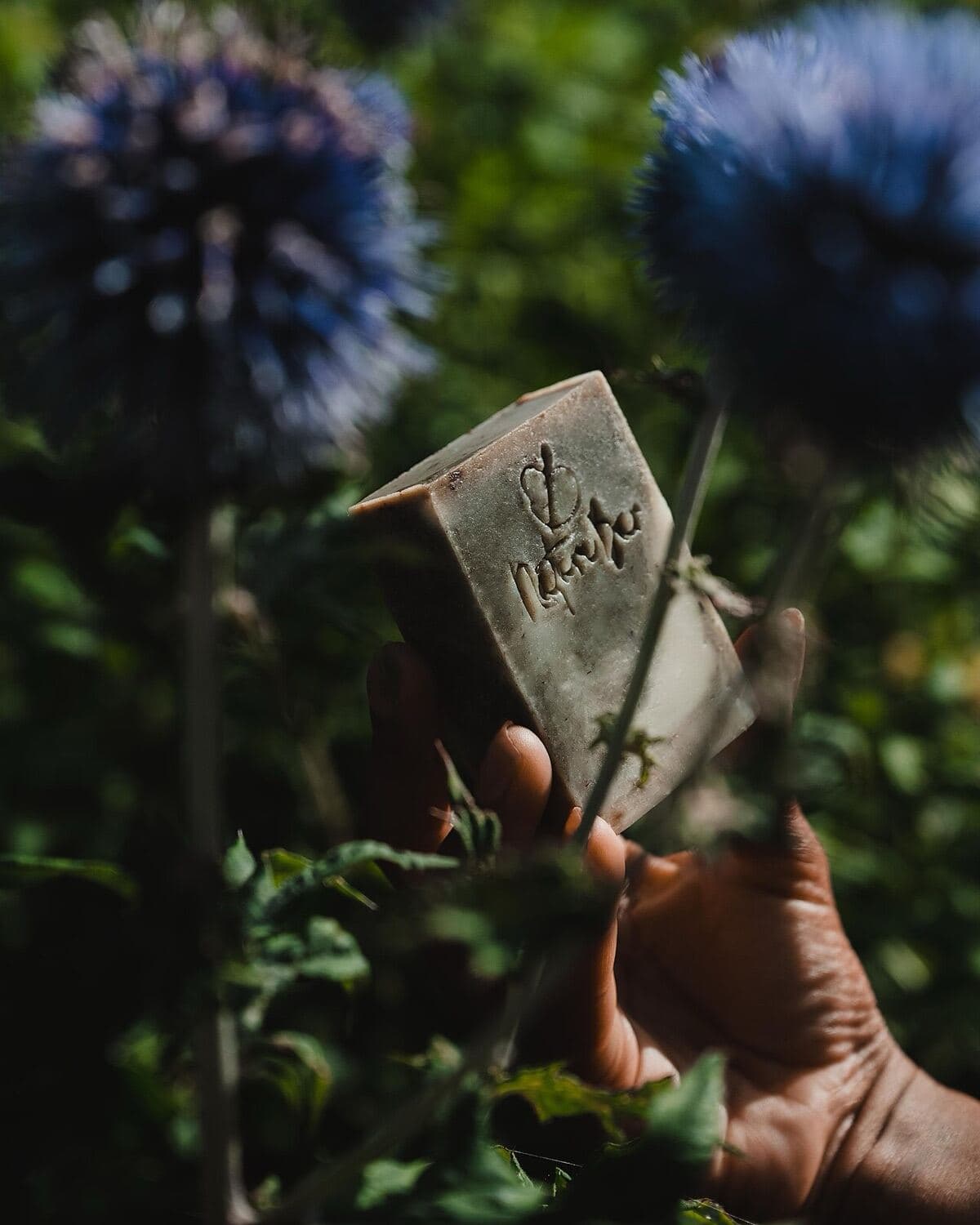
Order matters: shampoo and condition first, clip hair up, then wash your body last so nothing sits on your skin after the final rinse. Use a cleanser with some purifying backbone — a neem and tea tree soap is a sensible pick, since both ingredients are traditionally used to keep breakout-prone skin clean, while a glycerin base keeps the bar from stripping skin the way harsh antiseptic soaps do. A neem body wash does the same job if you prefer liquid.
After sweating
Change out of damp clothes within the hour and rinse if you can. If a shower isn't possible, even changing into a dry cotton tee interrupts the cycle. Never re-wear gym clothes.
Exfoliate gently, not violently
Loofahs and rough scrubs feel productive but micro-injure inflamed skin and spread bacteria. Once or twice a week of mild exfoliation is plenty; on inflamed skin, chemical exfoliation (a salicylic-based wash left on for a minute) beats physical scrubbing — the logic is the same as we covered in our salicylic acid guide.
Moisturise anyway
Drying skin out backfires; a stripped barrier triggers more oil and more irritation. A light, non-greasy lotion keeps the barrier calm without feeding pores.
What to expect, honestly
| Timeline | Realistic change |
|---|---|
| Week 1-2 | Fewer new breakouts as residue and sweat habits improve |
| Week 3-6 | Existing spots flatten and fade; skin texture evens |
| Month 2-3 | Marks (post-inflammatory pigmentation) fade gradually with sun protection |
Marks outlast the acne itself — that's normal. Picking is the main reason temporary marks become long-term ones.
When to see a dermatologist
Deep, painful cysts, breakouts that scar, or acne that ignores six-to-eight weeks of consistent care deserve prescription treatment. There's no prize for fighting cystic acne with soap alone.
Frequently asked questions
Does a hot shower help?
Comfortable, not hot. Very hot water strips the barrier and worsens inflammation — same reason it aggravates reactive skin generally.
Can I use my face products on my back?
Yes — the actives work the same way. The practical problem is application and cost, which is why body-format products exist.
Is bacne caused by poor hygiene?
No. It's caused by oil, friction, trapped sweat and genetics. Plenty of very clean people have it, and over-washing makes it worse.